 Roland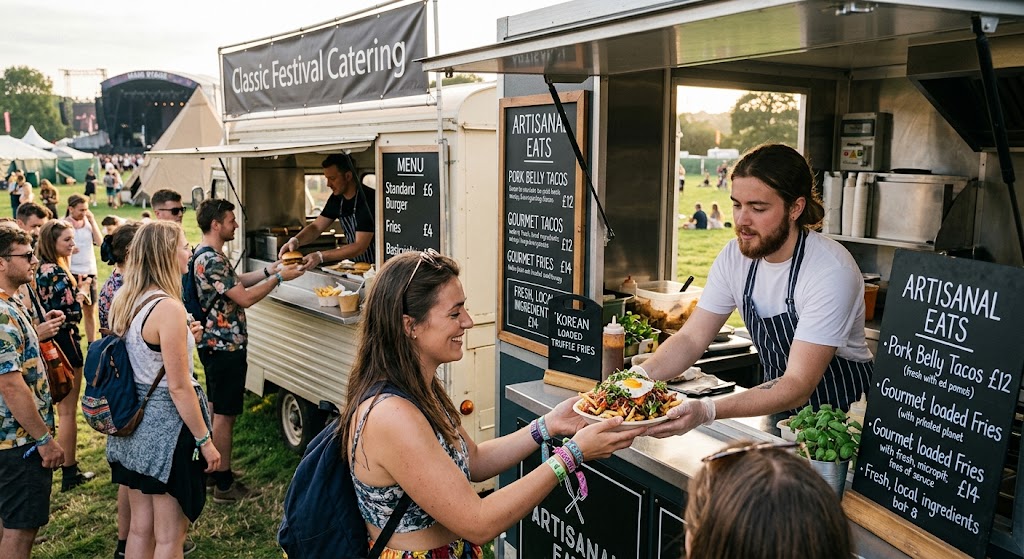
For decades, the culinary baseline of a multi-day music festival was defined by a depressing compromise. Stranded in a dusty field or a concrete stadium concourse, hungry concertgoers faced a stark choice: a rubbery, overpriced cheeseburger sweating beneath a heat lamp, a paper tray of soggy, over-salted fries, or a mystery-meat hot dog served on a stale bun. Food was viewed not as an enjoyment, but as basic human fuel—a quick, high-calorie necessity absorbed purely to sustain attendees through the next headlining set.
Today, that grim concession stand reality has been thoroughly swept away.
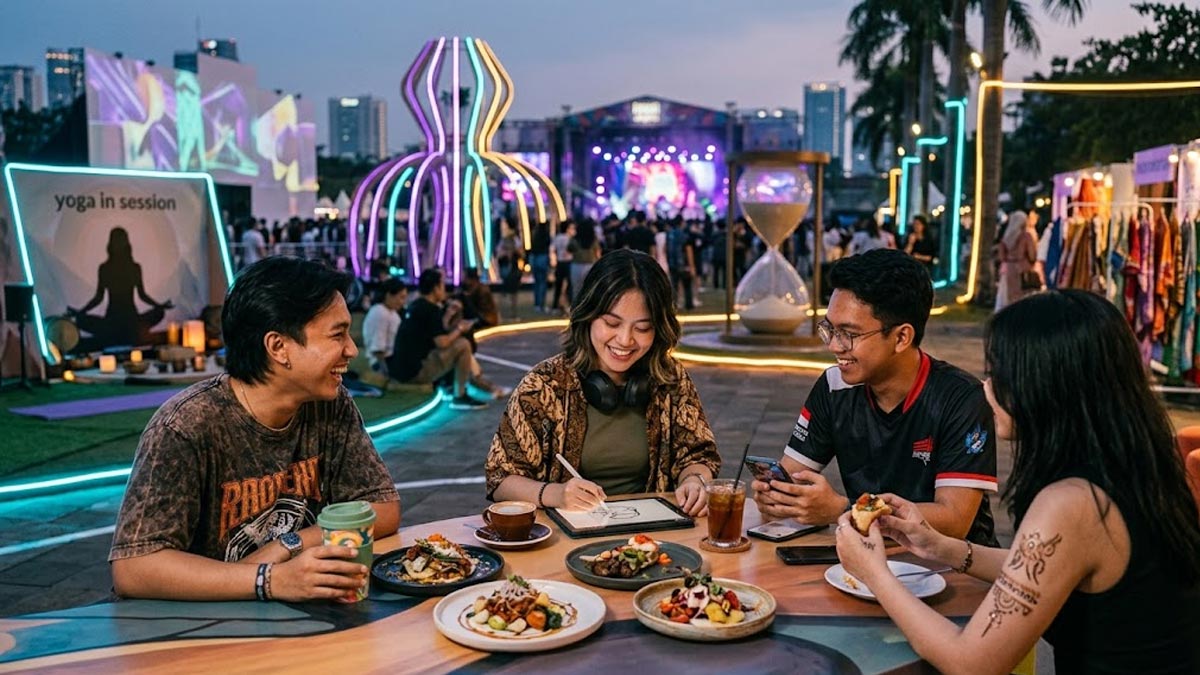
Across major music and cultural gatherings worldwide, food has evolved from a transactional afterthought into a primary headline attraction. At events such as Outside Lands in San Francisco, Coachella in Southern California, Glastonbury in the United Kingdom, and Primavera Sound in Barcelona, the culinary line-up is announced with the same fanfare, artistic curation, and press coverage as the musical performers.
Paper trays of greasy concessions have yielded to wood-fired artisan pizzas, birria tacos slow-cooked for twelve hours, plant-based bao buns, natural wine gardens, and multi-course pop-up dinners hosted by Michelin-starred chefs. The modern festival grounds have transformed into a sprawling, high-end gastronomic marketplace, reflecting a fundamental shift in how live entertainment, youth culture, and consumer expectations intersect.
The Cultural Pivot: From Survival Fuel to Gastronomic Identity
The transformation of festival dining is rooted in a broader societal realignment regarding the cultural status of food. Over the past fifteen years, the rise of food media, digital creator networks, and farm-to-table ethics transformed gastronomy from a domestic routine into a dominant form of popular culture and personal identity.
As younger generations—specifically Millennials and Generation Z—reallocated their disposable income away from static material possessions and toward real-world experiences, their expectations for event amenities escalated dramatically. A generation accustomed to artisanal coffee, regional street food hubs, and transparent sourcing in daily life refused to check those values at the festival gates.
Festival promoters quickly recognized that the traditional concession model was actively damaging the attendee experience. Long lines for low-quality, high-cost fast food created customer frustration and reduced overall satisfaction.
By restructuring food operations around quality, variety, and local culinary culture, event organizers realized they could achieve three vital goals simultaneously:
- Elevate Event Perception: High-quality dining options transform a chaotic outdoor gathering into a sophisticated lifestyle experience.
- Extend Dwell Time and Spending: Diverse culinary offerings keep attendees on the festival grounds longer, increasing overall per-capita spending throughout the day.
- Differentiate in a Crowded Market: As music festival line-ups grew increasingly homogenous due to global touring circuits, a distinct, high-end food and beverage program became a critical competitive differentiator.
The Architecture of Curated Dining: How Line-Ups Are Built
Modern festival food programs do not materialize by accident; they are managed by specialized culinary directors, talent curators, and hospitality agencies who audition and select vendors with the same rigor applied to booking main-stage musicians.
Rather than contracting with generic, national event-catering conglomerates that operate mass-market concession trailers, festival organizers collaborate with celebrated local brick-and-mortar restaurants, trendy food trucks, and regional culinary pioneers. The goal is to create an authentic micro-representation of the host city’s dining scene within the venue perimeters.
Legacy Concession Model: Generic corporate caterer → Mass-produced frozen inventory → High friction, low quality
Modern Curated Model: Specialized culinary director → Local chef pop-ups & street food vendors → High-variety, artisanal dining
At San Francisco’s Outside Lands, for example, the “Taste of the Bay Area” program features over 100 local vendors serving everything from Dungeness crab rolls and Filipino garlic noodles to artisan gelato and wood-fired empanadas. In the United Kingdom, festivals like Wilderness and Big Feastival have built their entire brand identity around high-end gastronomy, featuring long-table banquets led by celebrity chefs, masterclasses, and interactive cooking demonstrations alongside traditional live music stages.
Furthermore, luxury dining has expanded into dedicated VIP and ultra-premium tiers. High-earning ticket holders can now book reservations at on-site pop-up restaurants, where top chefs prepare five-course tasting menus paired with rare wines inside air-conditioned, beautifully decorated dining tents located steps away from roaring festival crowds.
The Dietary Revolution: Inclusivity as a Baseline
Perhaps the most significant structural improvement in festival dining is the aggressive expansion of dietary inclusivity. Historically, attendees with specific dietary requirements—such as vegans, vegetarians, individuals with celiac disease, or those observing kosher or halal rules—faced near-total food deprivation at major events, often forced to survive on bags of potato chips or brought-in snacks.
In the contemporary festival landscape, dietary accessibility is no longer a niche concession; it is an operational mandate.
Driven by shifting consumer demographics and environmental awareness, plant-based dining has become one of the fastest-growing segments in event catering. Events like the Netherlands’ DGTL Festival have gone entirely vegetarian or vegan across all vendor stalls, demonstrating that high-volume event catering can eliminate meat without sacrificing culinary variety or profit margins.
Today’s festival food layout typically guarantees:
- Hyper-Specialized Plant-Based Options: Moving past dry frozen bean burgers to feature sophisticated vegan gastronomy, including seitan fried chicken, oat-milk soft serve, plant-based sushi, and cashew-cheese pizzas.
- Allergen Transparency and Safety: Clear signage detailing gluten-free, nut-free, and dairy-free options, supported by strict cross-contamination protocols in vendor kitchens.
- Global Cultural Representation: Moving beyond generic hot dogs to offer authentic regional cuisines—ranging from Vietnamese banh mi and Ethiopian injera platters to Jamaican jerk chicken and authentic Mexican street corn.
This diversification ensures that every attendee, regardless of dietary restriction or cultural background, can participate fully in the festival’s dining ecosystem.
The Social Media Effect: Edible Aesthetics and Experience Capital
The economic rise of gourmet festival food cannot be separated from the visual mechanics of social media. On platforms like Instagram, TikTok, and BeReal, visual representation of the festival experience is high-value social currency.
In this environment, a dish must not only taste exceptional; it must be visually striking. Vendors design menu items specifically for digital camera appeal—utilizing vibrant colors, dramatic cheese pulls, towering layered presentations, and branded packaging that demands to be photographed before it is consumed.
Visual Appeal → Social Media Post → Viral Micro-Trends → Immediate Line-Length Surge
This dynamic has created viral food phenomena unique to the festival circuit. A specific vendor’s truffle-cheese fries, charcoal-infused waffle cones, or oversized bao buns can go viral on TikTok during the first day of a weekend event, generating multi-hour queues for the remainder of the festival.
For small, local food vendors, securing a spot at a major festival functions as an unparalleled marketing launchpad. A successful weekend exposure to 100,000 attendees can elevate a struggling food truck or pop-up concept into a permanent, highly profitable brick-and-mortar restaurant business.
The Field Kitchen: Operational Marvels Behind the Scenes
While attendees enjoy gourmet dishes in sunlit fields, the logistical operations required to deliver high-end dining in temporary environments are extraordinarily complex.
Cooking high-quality, fresh meals for thousands of people inside a temporary booth or mobile trailer requires military-grade logistical planning. Vendors must operate without standard kitchen infrastructure, managing severe environmental and spatial constraints:
- Off-Grid Energy and Power: Running high-capacity commercial ovens, deep fryers, espresso machines, and refrigeration units on temporary electrical microgrids or battery banks without tripping power grids during peak service hours.
- Cold-Chain Management: Transporting and storing tons of raw, highly perishable ingredients at strict, safe temperatures in scorching summer weather using portable refrigerated shipping containers.
- Massive Volume Under Pressure: Preparing thousands of complex, customized orders per hour during sudden rushes when main-stage music sets conclude, all while maintaining strict health codes and consistent dish quality.
- Waste and Water Infrastructure: Managing thousands of gallons of potable water and greywater alongside proper disposal of cooking grease, organic compost, and recyclable materials in temporary outdoor sites.
The vendors that thrive in this environment are those that have perfected high-speed assembly processes, stripping down complex restaurant recipes into tight, efficient execution steps that take less than sixty seconds from payment to hand-off.
The Sustainability Agenda: Farm-to-Field and Zero Waste
As the live music industry faces scrutiny over its environmental footprint, food operations have become a primary arena for sustainable innovation. Food production, transportation, and waste represent a significant portion of a festival’s total carbon emissions.
Leading eco-festivals are deploying circular economic strategies across their food and beverage programs:
| Environmental Priority | Legacy Practice | Modern Sustainable Standard |
| Packaging & Cutlery | Single-use plastics, styrofoam containers | 100% certified compostable bamboo, paper, or plant-starch items |
| Sourcing Radius | National frozen distribution networks | Hyper-local sourcing within a 50-to-100 mile radius of the venue |
| Organic Waste Management | Sent directly to municipal landfills | On-site industrial composting, converting scraps into agricultural soil |
| Uneaten Inventory | Mass food disposal post-event | Partnerships with local food rescue groups to redistribute unused ingredients |
By enforcing strict sustainability criteria on vendors, festival operators reduce landfill waste while educating consumers on low-impact dining habits.
The Economic Equation: Premium Pricing and Consumer Value
The transition from cheap fast food to gourmet dining has inevitably altered the financial cost for event attendees. Festival food prices have risen significantly, with basic meals routinely costing $18 to $25, while specialized cocktails and VIP dining packages reach much higher thresholds.
While price inflation at live events frequently draws criticism, consumer behavioral data shows that attendees are significantly more willing to pay premium prices when the food quality justifies the cost. A consumer who feels cheated paying $15 for a cold, low-quality burger will happily spend $22 for a freshly made, high-end lobster roll or a generous bowl of authentic ramen prepared by a renowned local chef.
The modern festival attendee calculates value not merely by raw weight or low cost, but by the overall quality of the experience. Gourmet food has ceased to be an unexpected luxury; it has become a baseline metric by which the quality of the entire event is judged.
The New Golden Age of Event Dining
The evolution of festival food from cheap, low-end concessions to curated gourmet dining represents a permanent improvement in live event culture. It reflects a mature industry that understands that human beings do not gather live simply to consume entertainment in isolation, but to celebrate community, culture, and shared sensory pleasure.
As festival promoters continue to innovate, the boundaries between music festivals, food conventions, and cultural expos will continue to blur. The music will always remain the primary emotional hook that draws thousands of people into a shared space. But today, when the final notes fade into the night air, the memories fans take home are forged just as firmly over extraordinary meals shared with friends on a open field.


 admin
admin