 admin
admin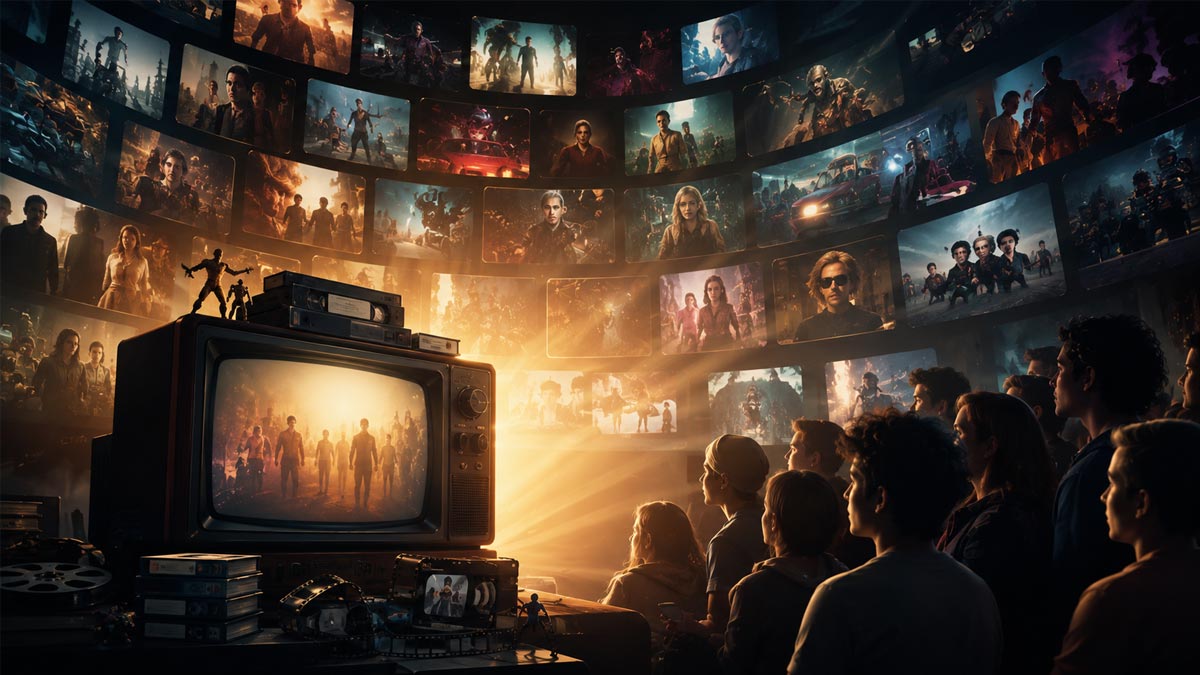
In the traditional media era, a project’s success was determined in its first opening weekend. If a movie or game missed its financial target, it faded into obscurity, occasionally kept alive by dedicated fans trading physical tapes or DVD box sets.
Today, that linear trajectory is broken. Masterpieces and bizarre passion projects alike are routinely pulled from digital obscurity to achieve viral stardom years—or even decades—after release.
Here is why forgotten media is finding a fresh second life with modern audiences.
1. TikTok Edit Culture and Scene-Based Discovery
Modern audiences rarely discover older media through a full feature viewing. Instead, they encounter a 15-second, high-impact clip overlaid with slowed-down atmospheric music on TikTok or Instagram Reels.
Movies like Jennifer’s Body, The Iron Giant, or American Psycho saw huge spikes in modern interest because specific scenes or aesthetic frames perfectly fit short-form video formats. A single striking visual or relatable line can turn an obscure 2000s film into a trending viral aesthetic overnight.
2. The Endless Shelf-Life of Streaming Platforms
Physical retail space used to limit what people could watch. Streaming algorithms, however, need vast libraries to retain subscribers.
When platforms license forgotten catalog titles, sophisticated recommendation engines surface these hidden gems to users based on niche tastes rather than marketing budgets. An algorithm doesn’t care if a movie flopped in 2004; if it matches a viewer’s behavioral profile in 2026, it gets top billing on their home screen.
3. Irony, Meme Culture, and Digital Reappraisal
Internet humor thrives on irony, absurdism, and context-switching. Films previously dismissed as “too weird,” “campy,” or “ahead of their time” are re-evaluated by younger generations who view them through a different cultural lens.
What critics in the 90s labeled as sloppy or awkward often resonates with Gen Z and Gen Alpha as relatable, raw, or hilariously unhinged. Memes strip away the original failure and reframe the content as a modern masterpiece.
4. The Search for Authenticity in an Era of Franchises
With modern multiplexes dominated by predictable sequels, reboots, and sanitized corporate formulas, younger audiences are actively hunting for art that feels risky, unpolished, and singular.
Older cult classics carry a raw, uncompromising creative vision that stands in sharp contrast to today’s focus-tested blockbusters. Discovering a forgotten gem feels like finding a secret, giving viewers a sense of personal ownership and cultural clout.
The Death of the “Box Office Flop”
The shelf life of art is no longer defined by its theatrical run or launch-week sales. In a hyper-connected digital landscape where every piece of media remains permanently accessible, true relevance isn’t decided by studio executives or original box office receipts—it is decided by the internet’s ability to rediscover it.

 Roland