 admin
admin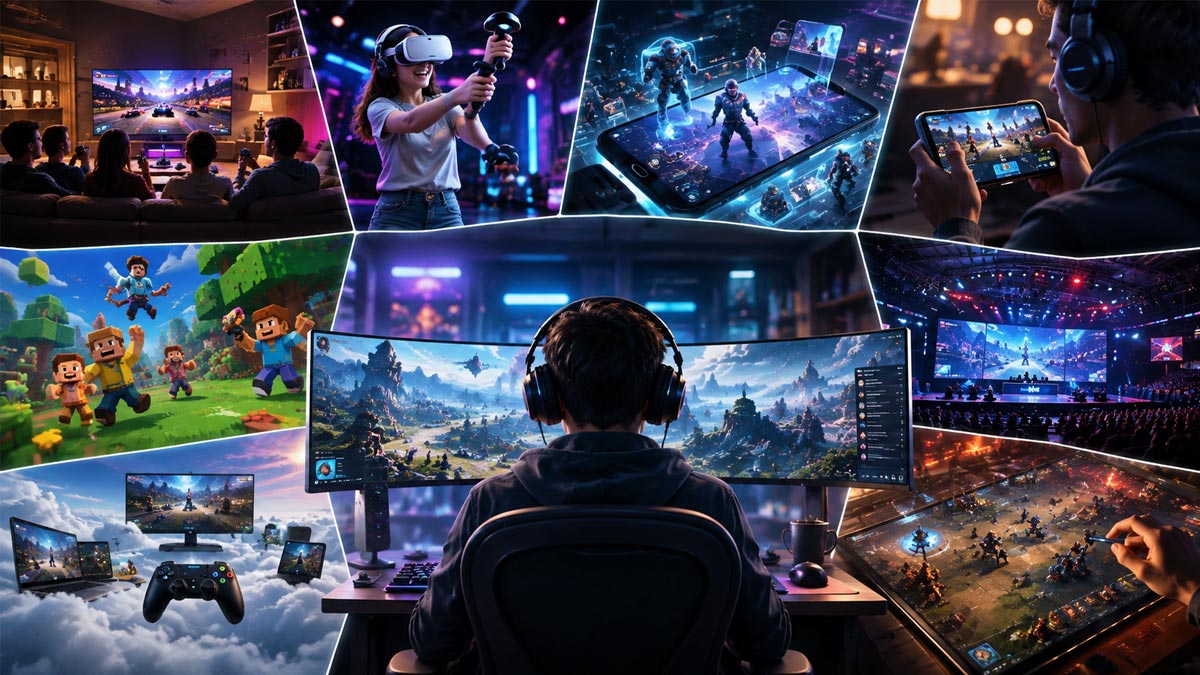
The days of sitting down for an uninterrupted, four-hour story campaign are starting to feel like a throwback. While epic blockbusters still hold a special place, the way players spend their hours, minutes, and attention spans on games has fundamentally shifted.
Driven by hardware independence, social platforms, and new monetization models, modern gaming is no longer just about finishing a game—it’s about how seamlessly play fits into daily life.
Here are the major trends transforming how players spend their time today.
1. The Rise of “Bite-Sized” Micro-Sessions
With cross-platform, cloud-driven play and seamless mobile access, players are trading long, monolithic gaming sessions for frequent, shorter check-ins.
Whether it’s clearing a quick battle pass daily, running a 10-minute mobile match during a commute, or managing a cozy simulation farming loop, players are integrating gaming into micro-breaks throughout the day. Convenience and instant access now rival graphics quality when it comes to keeping players hooked.
2. User-Generated Content (UGC) as the Main Event
Instead of waiting two to three years for a developer to drop a DLC expansion, players are spending their time in endless, community-crafted sandbox platforms like Fortnite Creative, Roblox, and Minecraft.
The line between player and developer has blurred. Millions of gamers now log on not to play an official campaign, but to test user-made minigames, explore custom digital worlds, or build their own experiences. When the community supplies the content pipeline, replay value becomes essentially infinite.
3. “Cozy” Gaming and Gamified Wellness
High-octane, competitive rank-grinding isn’t the only driver of screen time anymore. A massive wave of players—particularly female and non-traditional gaming demographics—is gravitating toward low-stress, “cozy” titles and gamified wellness platforms.
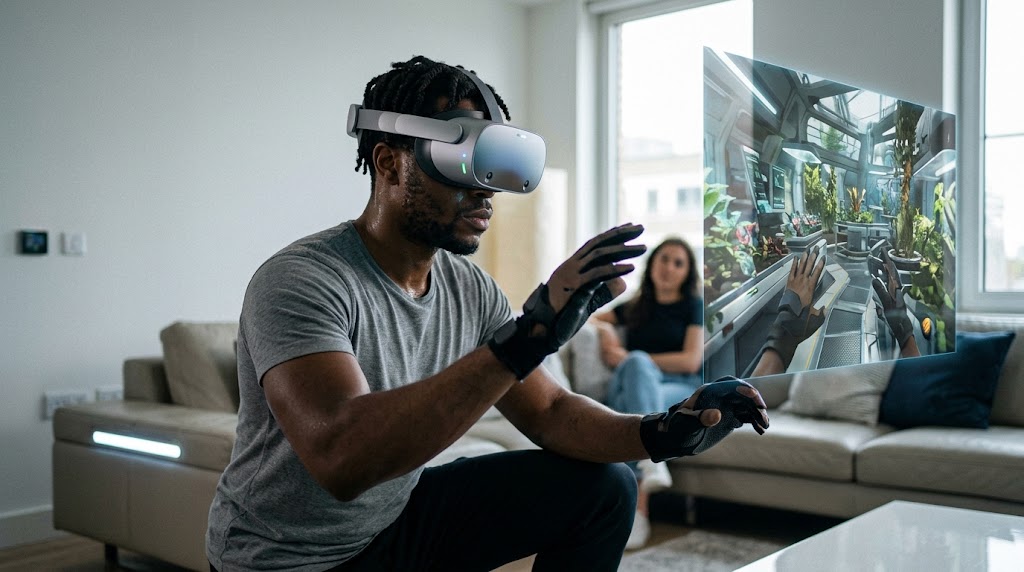
From relaxing cozy RPGs to fitness-driven VR games, players are increasingly spending their leisure hours looking to decompress, chill out, or build healthy habits, using games as a digital sanctuary rather than an arena for high-stakes competition.
4. Gaming as the Default Third Place
For younger generations, games have surpassed traditional social networks as the primary place to hang out. Players spend hours logged into live-service lobbies simply voice-chatting, showing off newly unlocked cosmetics, attending virtual events, or watching in-game broadcasts.
When gameplay becomes background noise for hanging out with friends, session lengths are driven by social connection rather than actual game mechanics.
The Shift from Units Sold to Time Spent
For developers and publishers, the core metric of success has officially moved from launch-week sales to long-term engagement and attention. The titles winning the battle for screen time aren’t necessarily the ones with the biggest marketing budgets, but those that offer flexibility, personal expression, and genuine community spaces.

 Roland