
 Roland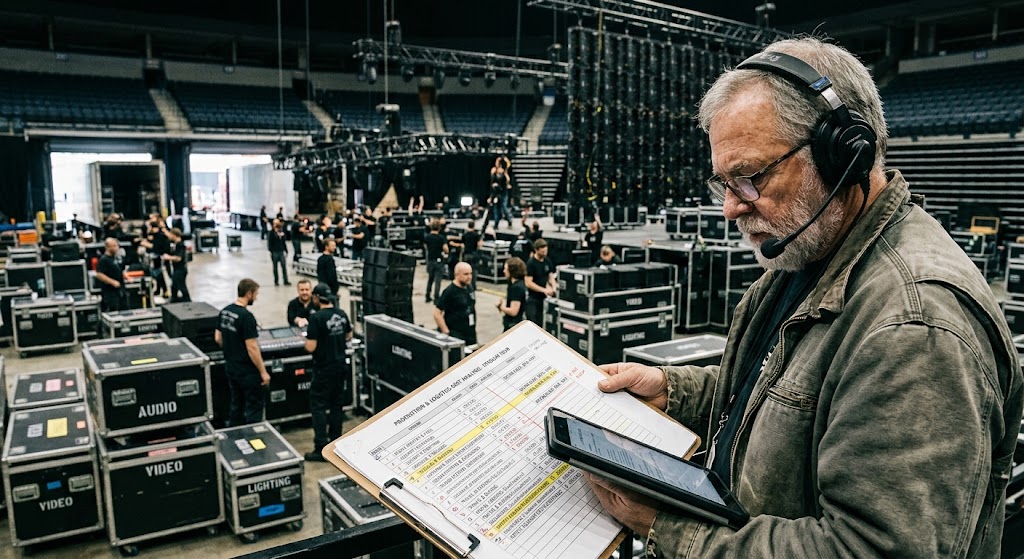
When millions of music fans logged onto primary ticketing platforms over recent seasons to secure seats for stadium reunions and global arena tours, many encountered a familiar form of financial shock.
A routine ticket for a top-tier act—which once cost $40 or $50 a generation ago—now frequently carries a face-value price tag of several hundred dollars. For premium lower-bowl seating, floor access, or peak demand dates, prices routinely surge into four digits before secondary market markups are even applied. Add in a battery of service charges, facility fees, and processing costs, and a single night of live music can cost a family as much as a multi-day vacation.
The dramatic inflation of concert tickets has transformed live music from a routine, accessible weekend activity into a high-end luxury investment. Data from industry tracking firms indicates that average ticket prices for the top 100 global concert tours have outpaced general consumer price index inflation by wide margins over the past decade.
Yet, pointing to simple corporate greed or broader macroeconomic inflation does not fully explain why the cost of live performance has decoupled from traditional consumer pricing. The ticket price explosion is the result of a structural overhaul of the global music business. It is driven by the collapse of recorded music revenues, massive market consolidation, algorithmic surge pricing, exploding production logistics, and an intricate financial ecosystem where the primary ticket platform often acts as a public heat shield for artists, venues, and promoters.
The Death of the Album and the Inversion of Touring Economics
To understand why live music costs so much today, one must examine how the financial engine of the music industry was flipped upside down over the past quarter-century.
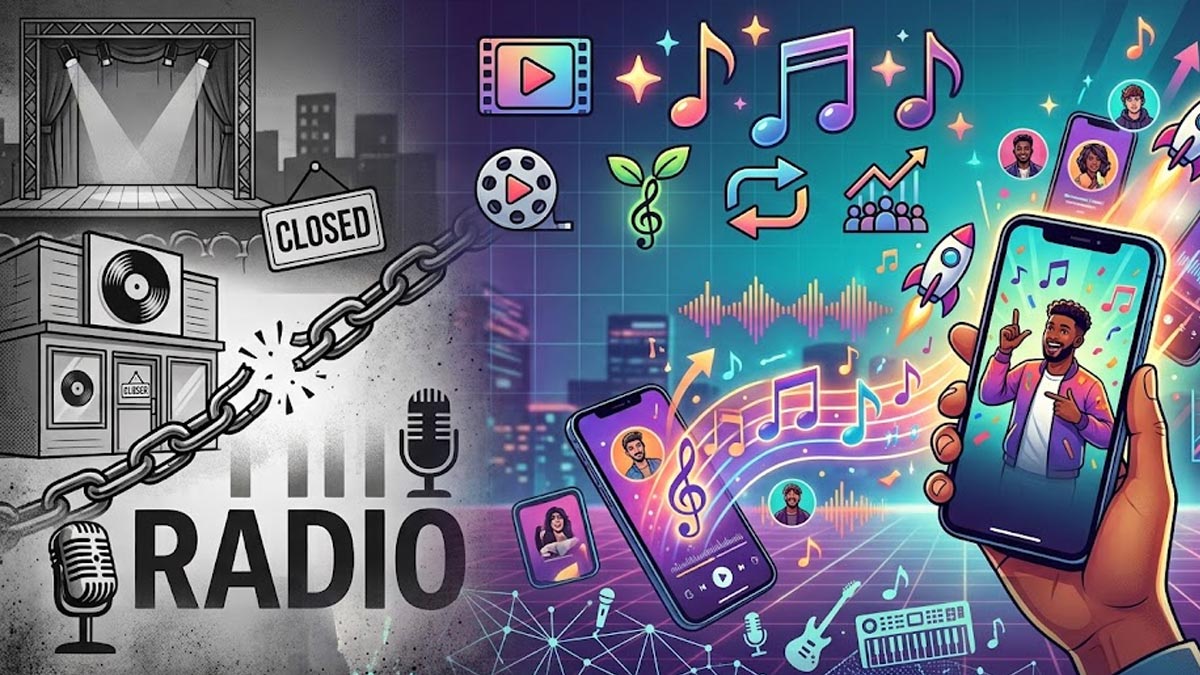
Throughout the late 20th century, live touring operated primarily as a promotional loss leader. Record labels financed concert tours to promote physical album sales—the vinyl records, cassette tapes, and compact discs that generated the vast majority of an artist’s income. Ticket prices were kept deliberately low to ensure maximum attendance, which in turn drove fans into record stores the following morning.
The rise of digital file sharing in the early 2000s, followed by the global transition to streaming services like Spotify and Apple Music, permanently destroyed that economic model. Today, digital streaming platforms pay fractions of a cent per stream. For all but a tiny fraction of global megastars, streaming generates insufficient income to sustain a career, pay management teams, or fund long-term creative projects.
As recorded music revenue plummeted, the live performance sector became the primary vehicle for artist survival and wealth creation. Touring was no longer a marketing tool to sell albums; the performance itself became the final product.
To compensate for lost royalties from recorded media, artists, talent agencies, and management firms began pricing live shows at maximum market capacity. What was historically a subsidized promotional effort transformed into a high-margin commercial enterprise, establishing a new pricing baseline across arenas and amphitheaters worldwide.
The Monopoly in the Middle: Vertical Integration and Market Power
While the shift toward live revenue set the foundation for higher prices, market consolidation within the live entertainment industry provided the infrastructure to enforce them.
The pivotal moment arrived in 2010 with the merger of Live Nation, the world’s largest concert promoter and venue operator, and Ticketmaster, the dominant ticketing software platform. The resulting corporate entity, Live Nation Entertainment, created a vertically integrated giant unmatched in modern entertainment history.
Today, the conglomerate frequently controls every link in the live performance supply chain:
- Artist Management: Representing major touring acts and guiding their commercial strategy.
- Promotion and Booking: Controlling the financial guarantees and routing for national and international tours.
- Venue Operation: Owning, operating, or holding exclusive booking rights for hundreds of major arenas, stadiums, and amphitheaters.
- Ticketing Infrastructure: Processing primary and secondary ticket sales through proprietary software contracts.
Critics and regulatory authorities argue that this vertical integration eliminates meaningful competition. Because Live Nation controls long-term exclusive ticketing contracts with a vast majority of major venues in key markets, touring artists who wish to play high-capacity buildings have little choice but to use Ticketmaster.
This market dominance culminated in historic legal action when the United States Department of Justice, alongside dozens of state attorneys general, filed a major antitrust lawsuit seeking to break up Live Nation Entertainment. The suit alleges that the company used its monopoly power to stifle competing ticketing platforms, lock venues into restrictive exclusive agreements, and inflate prices for consumers. While the company maintains that high prices are driven by overwhelming consumer demand rather than anticompetitive behavior, the legal challenge highlights deep institutional scrutiny over how live entertainment is bought and sold.
The Algorithmic Shift: Dynamic Pricing and Market Recapture
Beyond structural consolidation, the mechanics of how tickets are priced at the moment of sale have undergone a technological revolution. The most controversial innovation in modern ticketing is “dynamic pricing”—often branded on primary ticketing sites under names like “Official Platinum.”
Borrowed from airline and rideshare pricing models, dynamic pricing uses automated algorithms to adjust ticket prices in real time based on demand metrics, queue length, and search volume. When millions of fans join an online presale simultaneously, the algorithm automatically scales ticket prices upward—sometimes multiplying face-value costs fivefold within minutes.
The industry’s public defense of dynamic pricing rests on the concept of market recapture. Historically, artists would price tickets at modest, fixed rates. Within seconds of going on sale, professional scalpers using automated software bots would scoop up thousands of tickets and resell them on secondary platforms like StubHub or Viagogo at massive markups. Under that legacy model, third-party brokers captured hundreds of millions of dollars in profit that neither the artist nor the promoter ever saw.
Dynamic pricing was designed to redirect those speculative profits back to the primary sellers. By pricing tickets at the absolute maximum amount the market will bear during the initial sale, primary platforms capture the secondary market markup upfront.
However, this shift has altered the fan experience:
- Elimination of the Face-Value Baseline: The concept of a standard, affordable face-value ticket for a major concert has largely disappeared for high-demand shows.
- Volatile On-Sale Experiences: Fans joining an online queue have no way of predicting what a seat will cost by the time they reach the checkout screen.
- The “Heat Shield” Effect: Ticketing platforms frequently absorb public outrage over dynamic price spikes, allowing artists to collect higher revenues while assigning blame to the ticketing software.
The Hidden Layer: Fee Structure and “Drip Pricing”
Even when a fan agrees to pay a high base ticket price, the final cost at checkout is regularly inflated by a layer of secondary charges. Primary service fees, facility processing charges, building maintenance fees, and order processing add-ons routinely increase the total ticket cost by 27 to 35 percent—and in extreme cases, upwards of 50 percent.
This practice, known in consumer economics as “drip pricing,” involves revealing mandatory fees incrementally throughout the purchasing process rather than displaying the true, total cost upfront.
For years, ticketing platforms, venues, and promoters engaged in a complex division of these fee revenues. While primary ticketing companies collect the service fees on screen, significant portions of those fees are funneled back to venue operators as part of exclusive venue contracts, or shared with promoters to offset facility overhead. The ticketing company acts as an outsourced billing mechanism, bearing the reputational damage for fees that subsidize the broader venue ecosystem.
Regulatory pressure has slowly begun to force transparency. Legislative bodies and federal consumer protection agencies worldwide have instituted mandates requiring “all-in pricing”—forcing ticketing sites to display the full, inclusive cost of a ticket, including all mandatory fees, from the moment a fan begins browsing seats. While all-in pricing eliminates checkout surprises, it does not lower the overall cost; it simply exposes the full financial reality from the start.
The Staging Arms Race: Exploding Production and Touring Costs
Focusing exclusively on corporate margins and pricing algorithms overlooks another major driver of ticket inflation: the physical cost of putting on a modern concert has skyrocketed.
Concertgoers in the modern era do not simply expect a band to stand under basic spotlights and play instruments. High-profile tours have evolved into high-concept theatrical spectacles featuring massive custom-built stages, multi-story LED video walls, kinetic lighting rigs, pyrotechnics, immersive spatial audio setups, and elaborate costume changes.
Transporting these stadium-sized productions around the world requires immense physical infrastructure:
Superstar Stadium Tour Logistics:
- 20 to 50+ semi-trucks for stage freight and production gear
- Multiple chartered cargo aircraft for transoceanic legs
- 150 to 300+ full-time touring crew members (sound, lighting, riggers, cooks, security)
- High daily fuel, hotel, and insurance expenditures
Post-pandemic inflation hit the live event supply chain with exceptional severity. The cost of aviation fuel, freight shipping, diesel for transport trucks, venue insurance, labor rates for local stagehand unions, and equipment rentals increased by 30 to 50 percent over recent operational cycles.
For a superstar act carrying hundreds of crew members and dozens of trucks across continents, daily operating costs can run into hundreds of thousands of dollars whether a show is happening that night or not. To cover these massive operational overheads and guarantee a profit margin, base ticket prices must be set at historically high levels.
The Mid-Tier Squeeze: A Bifurcated Market
The pricing crisis in live music has created a deeply bifurcated industry landscape, dividing the market into two distinct economic realities.
At the top of the pyramid, the market for stadium-level megastars—the top 1 percent of global touring acts—remains virtually price-inelastic. Wealthier consumers and dedicated superfans have proven willing to treat major stadium events as rare, aspirational splurges, absorbing high ticket costs, travel expenses, and VIP packages. These blockbuster tours continue to break historical revenue records even as ticket prices climb.
Conversely, below the arena and stadium level, mid-tier touring acts, independent theater performers, and emerging club bands face a severe financial crisis:
- Unmanageable Touring Margins: Mid-tier artists facing the same inflated freight, travel, and accommodation costs cannot raise their ticket prices to $200 without decimating attendance.
- Tour Cancellations: A growing number of mid-level acts have been forced to cancel scheduled international tours, publicly stating that the projected ticket revenues could no longer cover basic operational travel expenses.
- Grassroots Venue Closures: As consumer spending concentrates heavily on high-priced stadium blockbusters, smaller independent venues and local clubs struggle to maintain steady foot traffic, leading to widespread venue closures across cultural capitals.
This economic split threatens the long-term health of the broader musical ecosystem. When young or mid-tier artists cannot afford to tour, the pipeline for developing the stadium headliners of tomorrow begins to break down.
The Future of the Ticket Market
The high cost of concert tickets is not a temporary anomaly that will self-correct once economic cycles shift. It is the permanent baseline of a financialized live music economy.
As recorded music remains monetized at fractions of a cent per stream, live performance will continue to serve as the primary wealth-generation engine for artists and global entertainment conglomerates alike. The ticket stub is no longer a simple pass to a local show; it is a financial asset priced according to real-time market demand, heavy corporate integration, and high production scale.
Reforming this system will require multi-pronged structural change. The outcome of major government antitrust lawsuits could potentially reshape the competitive landscape, forcing the separation of promotion, venue ownership, and ticketing platforms. Concurrently, artists who prioritize long-term fan accessibility are increasingly experimenting with price caps, non-transferable ticket policies, and opt-outs from dynamic pricing algorithms.
Until structural competition is restored and touring production scales back from its arms-race trajectory, attending a major concert will remain what it has quietly become: a premium luxury experience, where the price of entry is dictated by algorithms, monopolies, and the high cost of keeping the lights on.

 admin
admin