 admin
admin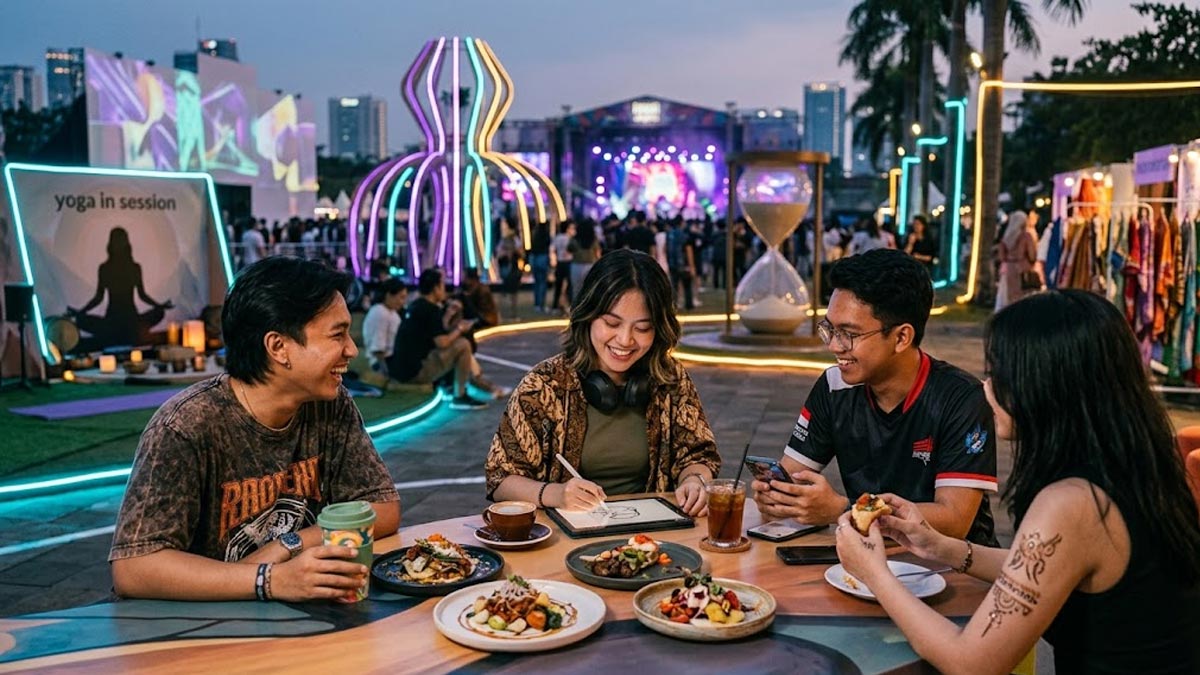
Not long ago, buying a music festival ticket came down to a simple equation: How many of your favorite artists were listed on the poster? You bought the wristband, squeezed through crowd surges, and moved from stage to stage for twelve hours straight.
While headliners still draw crowds, the multi-day festival experience is undergoing a massive evolution. Today, music is often just the soundtrack to a much larger, multi-sensory lifestyle event.
From interactive art installations to celebrity-chef pop-ups, festival culture has shifted to meet the demands of an audience seeking holistic, shareable experiences.
1. The Immersive Art and Interactive Universe
Modern festival-goers don’t just want to stare at a distant stage; they want to step inside another realm.
Organizers are pouring massive resources into ambient visual design—think giant interactive sculptures, projection-mapped structures, and immersive light displays. Influenced by art collectives and digital installation culture, these spaces offer attendees a sense of exploration and play that goes far beyond sitting in front of a speaker stack.
2. Gastronomy as a Main-Stage Attraction
Soggy, overpriced french fries are officially a thing of the past. Culinary programs at major events are now curated with the same level of detail as the musical lineup.
Festivals feature pop-up restaurants from Michelin-starred chefs, viral local food trucks, craft mixology bars, and dedicated tasting zones. For a growing segment of attendees, trying exclusive, aesthetic food offerings is just as much of a priority as catching an afternoon DJ set.
3. Fashion, Aesthetic, and Social Content Hubs
Festivals have morphed into real-world fashion runways and digital content engines. For many, planning and executing a unique outfit is a central part of the experience.
Organizers design grounds specifically with aesthetic backdrop points, ambient lighting, and social-media-friendly zones. The festival floor acts as a temporary playground where self-expression, identity, and lifestyle creation take center stage.
4. Wellness, Recovery, and Micro-Escape Zones
With multi-day endurance events taking a toll, festivals are leaning heavily into health and wellness culture.
Dedicated recovery sanctuaries offering morning yoga, sound baths, breathwork classes, and non-alcoholic sober lounges have become staple features. Instead of an all-out marathon of exhaustion, attendees can alternate between high-energy music and restorative downtime, creating a more balanced weekend.
The Shift to “Experiential Travel”
Music festivals have transformed from pure concert series into fully realized micro-cities built around community, culture, and lifestyle. People no longer buy tickets just to watch a band perform—they buy them to step out of daily routine and immerse themselves in a curated world of sound, taste, art, and connection.

 Roland