 Roland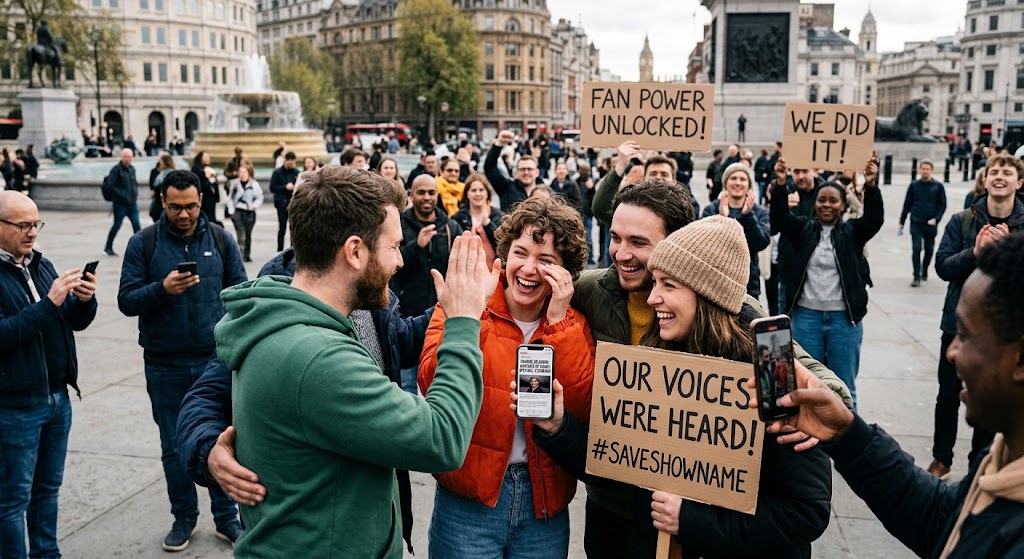
In May 2018, when news broke that Santa Monica-based cable network Syfy had canceled its critically acclaimed space drama The Expanse after three seasons, the show’s passionate audience refused to accept the decision as final. Within forty-eight hours, fans had organized a global campaign through Reddit, X (then Twitter), and dedicated Discord servers. They launched an online petition that gathered over 100,000 signatures in days, hired a plane to fly a banner reading “#SaveTheExpanse” over Amazon Studios headquarters in Santa Monica, and sent a model of the show’s flagship spaceship into the stratosphere attached to a high-altitude balloon.
Two weeks later, Amazon founder Jeff Bezos personally announced at an aerospace conference that the series had been picked up for a fourth season on Prime Video.
The rescue of The Expanse was not an isolated miracle of modern television; it was a high-profile demonstration of a structural shift in global media distribution. Over the past decade, the relationship between television networks, creative showrunners, and television audiences has undergone a fundamental realignment.
Where television cancellations were once absolute, non-negotiable corporate decisions handed down from behind closed network doors, organized digital fan communities have unlocked unprecedented leverage over global entertainment executives. Powered by real-time social platforms, coordinated streaming campaigns, and data-driven public pressure, online audiences are routinely turning canceled shows into high-priority corporate acquisitions.
What was once dismissed by Hollywood executives as niche internet noise has matured into a sophisticated, consumer-led force that is reshaping the economic logic of digital television production.
From Letters to Algorithms: The Evolution of Fan Mobilization
To appreciate the speed and efficiency of modern digital fan campaigns, one must examine how audience advocacy operated in the linear broadcast era.
Organized viewer campaigns to save canceled television programs are not entirely new. In 1968, sci-fi enthusiasts Bjo and John Trimble organized a massive letter-writing campaign that successfully convinced NBC to renew the original Star Trek for a third season—an effort historically recognized as the birthplace of modern fan activism. Decades later, in 2007, fans of the post-apocalyptic CBS drama Jericho responded to the show’s cancellation by shipping over 40,000 pounds of peanuts to the network’s headquarters, referencing a iconic line from the season finale. The stunt forced executives to commission a brief second season to wrap up the storyline.
However, legacy campaigns suffered from severe structural limitations. Writing physical letters or shipping novelty items was expensive, slow, and geographically fragmented. Networks possessed total control over viewership data, and unless a show generated high Nielsen ratings within its specific broadcast timeslot, corporate leadership had little incentive to reconsider cancellation decisions.
THE EVOLUTION OF FAN ACTIVISM

Broadcast Era (Pre-2010):
Physical Letter Drives → Mailroom Stunts → Network Review → Rare Single-Season Extensions
(Timeline: Months)

Digital Streaming Era (Present Day):
Global Social Hashtags → Data-Driven Binge Campaigns → Crowd-Funded Ads → Multi-Platform Bidding Wars
(Timeline: Hours to Days)
The rise of global streaming architecture—spearheaded by platforms such as Netflix, Amazon Prime Video, Hulu, Apple TV+, and Peacock—dramatically altered this dynamic:
- Instant International Coordination: Online forums like Reddit and social networks allow millions of geographically isolated viewers across North America, Europe, Asia, and Latin America to align behind a single unified strategy within minutes of a cancellation announcement.
- Direct Algorithmic Visibility: Digital campaigns no longer rely on indirect letter campaigns. Fans organize coordinated “binge-watching” events, streaming targeted series simultaneously to trigger platform analytics and push canceled shows into trending leaderboards.
- Alternative Buyers: The expansion of rival streaming platforms created an aggressive seller’s market. If a legacy broadcast network cancels a show, multiple international digital buyers stand ready to acquire established intellectual property with built-in fanbases.
The Mechanics of a Digital Rescue Campaign
Modern fan campaigns function less like casual viewer protests and more like high-efficiency guerrilla marketing drives. When a beloved series faces cancellation, digital organizers execute multi-pronged strategies designed to generate maximum commercial friction and media visibility.
1. Algorithmic Signal Flooding
Within hours of a cancellation news break, community leads deploy targeted hashtags across social media platforms. By coordinating global posting windows, fan networks push keywords like #SaveLucifer, #SaveWarriorNun, or #RenewBrooklyn99 into worldwide trending topics. This initial wave of engagement forces entertainment journalists and industry trade publications to cover the story, creating a secondary news cycle that amplifies the movement to non-viewers.
2. High-Impact Real-World Stunts
To prevent digital campaign fatigue, organizers frequently convert online enthusiasm into physical, real-world spectacles that command photojournalistic coverage:
- Times Square Billboards: Campaigns for shows like Warrior Nun and Manifest raised tens of thousands of dollars through crowdfunding platforms to purchase high-definition digital billboards in major metropolitan hubs like New York’s Times Square, London’s Piccadilly Circus, and Los Angeles.
- Targeted Executive Deliveries: Echoing the Jericho peanut campaign, fans of Lucifer sent thousands of yellow stress balls and cards to studio offices, ensuring that physical corporate spaces were visibly disrupted by viewer demand.
3. Targeted Data Proofs
Recognizing that modern television executives speak the language of metrics, fan networks organize targeted data drives. During rescue campaigns, community coordinators instruct followers to re-watch existing seasons of a canceled show repeatedly on original streaming platforms during specific 72-hour windows. The goal is simple: manipulate completion rates, stream counts, and engagement velocity to signal uncaptured commercial demand to prospective buyer networks.
The Business Logic: Why Streaming Platforms Listen
While media outlets often frame show rescues as heartwarming acts of corporate benevolence, the reality is driven strictly by bottom-line economics. Streaming platforms operate on subscriber retention and acquisition metrics, and acquiring a canceled show with a furious, highly organized fan base offers distinct commercial advantages.
Lowering Customer Acquisition Costs (CAC)
In the modern streaming environment, marketing a brand-new, unproven television series is exceptionally expensive. Launching a high-concept drama requires tens of millions of dollars in global advertising, trailer promotions, and press junkets—with zero guarantee that audiences will tune in.
Acquiring a canceled series with an active fan community dramatically lowers customer acquisition costs:
- Built-in Subscriber Base: The acquiring platform inherits an immediate, highly engaged audience that is actively willing to switch subscriptions specifically to watch new seasons of their favorite show.
- Guaranteed Organic Marketing: The fan community functions as an unpaid, highly effective marketing force. When Netflix picked up Lucifer from Fox in 2018 after an aggressive fan campaign, the show went on to become one of the platform’s most-watched original assets, consistently dominating global top-ten viewing charts across multiple subsequent seasons.
The Long-Tail Catalog Value
Streaming platforms thrive on deep back-catalogs that keep users subscribed between flagship releases. When a platform rescues a show, it typically acquires the streaming rights to all previous seasons as well.
When NBC canceled Manifest after three seasons in 2021, Warner Bros. Television placed the existing episodes on Netflix. The show immediately logged over 100 million hours of viewing time within its first month on the service. Recognizing the unexploited demand, Netflix ordered a extended final season, converting a broadcast network failure into a global streaming franchise asset.
Case Studies in Digital Resurrection
The modern television landscape contains numerous examples of series that were rescued from cancellation and transformed into commercial powerhouses by fan interventions:
| Show Name | Original Network | Rescuing Platform | Primary Campaign Strategy | Ultimate Outcome |
| Brooklyn Nine-Nine | Fox | NBC | Rapid social media mobilization backed by high-profile celebrity endorsements (e.g., Lin-Manuel Miranda, Mark Hamill). | Rescued within 31 hours of cancellation; ran successfully for three additional seasons on NBC. |
| Lucifer | Fox | Netflix | Global #SaveLucifer hashtag generating over 8 million tweets; persistent petition drives. | Ran for three additional seasons on Netflix, becoming one of the world’s top-streamed digital series. |
| The Expanse | Syfy | Amazon Prime Video | Aerial banner campaigns over studio headquarters; high-altitude space balloon stunt; executive advocacy. | Ran for three additional seasons; anchored Amazon’s premium sci-fi streaming catalog. |
| Manifest | NBC | Netflix | Coordinated streaming marathons that pushed past seasons to #1 on Netflix US trends for consecutive weeks. | Final expanded 20-episode season produced by Netflix; achieved global chart-topping metrics. |
| Sense8 | Netflix | Netflix (Self-Renewal) | Massive international social media backlash and phone campaigns targeting Netflix customer service reps. | Studio reversed total cancellation to fund a feature-length, two-hour finale special to wrap up the narrative. |
The case of Brooklyn Nine-Nine illustrates the sheer speed of modern fan power. When Fox canceled the workplace comedy in May 2018, the immediate, overwhelming outcry across digital channels—amplified by high-profile cultural icons—created such an intense narrative of corporate error that NBC stepped in and picked up the series just 31 hours later.
Even when full series orders prove financially impossible, organized fan pressure can force creative compromises. When Netflix canceled Lana and Lilly Wachowski’s costly sci-fi series Sense8 in 2017 due to high international production expenses relative to viewership, global outrage flooded Netflix customer support channels and social feeds. Acknowledging the depth of fan dissatisfaction, Netflix approved a budget for a two-hour finale special, allowing the creators to give the narrative a proper conclusion—an outcome that would have been unthinkable in the broadcast era.
The Limits of Fan Power: When Noise Does Not Equal Revenue
Despite high-profile success stories, the vast majority of canceled television shows remain dead. The reality of modern television economics is that fan enthusiasm, no matter how vocal online, cannot always overcome cold financial math.
Entertainment executives and media analysts highlight several structural hurdles that frequently block fan-led rescues:
The “Vocal Minority” Trap
Social media platforms excel at amplifying concentrated passion, but high engagement metrics do not always reflect broad consumer volume. A dedicated group of 10,000 fans tweeting hundreds of times a day can easily create a trending topic, but 10,000 viewers cannot support a high-budget drama costing $8 million to $10 million per episode. If an internal data audit reveals that a show’s overall audience remains small and geographically limited, prospective buyers will pass on acquisition regardless of social media volume.
Rights and Licensing Complexity
The business mechanics of international television distribution are notoriously tangled. A series might be produced by one studio (e.g., Warner Bros. or Universal), broadcast by a competing network (e.g., Fox or CBS), and licensed to different international distributors in foreign territories.
Untangling legacy licensing agreements, international broadcast contracts, and talent options to enable a single streaming platform to acquire global rights is often legally impossible or financially prohibitive.
Ballooning Production Costs and Talent Contracts
As series progress into later seasons, cast and crew contracts naturally escalate in cost. Additionally, high-concept genre shows utilizing extensive visual effects, specialized sets, and international location shoots grow increasingly expensive to produce over time. When a platform evaluates a canceled fourth or fifth-season show, the cost per episode often outpaces any potential revenue gains from inherited subscribers.
The Dark Side of Audience Agency: Toxic Tactics and Entitlement
As online communities have recognized their capacity to influence corporate decision-making, the line between constructive fan activism and digital harassment has grown increasingly blurred.
When fan campaigns fail to secure a renewal, organized communities occasionally pivot from advocacy to systemic hostility. Creators, showrunners, network executives, and individual actors frequently face aggressive online harassment campaigns, doxxing, review-bombing on audience rating aggregators, and targeted personal abuse.
Furthermore, the expectation that fans can unilaterally control creative outcomes can lead to artistic friction. When audience demands dictate whether a character lives, dies, or enters a relationship, television runs the risk of abandoning artistic risk-taking in favor of crowd-pleased fan service.
Industry creative leaders caution that while audience feedback is valuable, television storytelling requires creative independence. If writers and directors operate under constant pressure to satisfy online consensus, the medium risks losing the exact subversion, narrative surprise, and moral complexity that made the shows compelling in the first place.
The Future of Audience-Driven Greenlighting
The democratization of television advocacy represents a permanent shift in how global entertainment is developed, evaluated, and preserved.
We have entered an era where television networks no longer possess an absolute monopoly over a show’s narrative lifespan. Audience communities, armed with real-time digital organization tools, data literacy, and direct communication channels, operate as active stakeholders in the entertainment ecosystem.
Moving forward, streaming platforms are increasingly building audience sentiment analysis directly into their development models. Rather than waiting for a cancellation to spark a fan campaign, studios utilize predictive analytics to track organic fan engagement, fan-art creation, community lore discussion, and social sentiment early in a series’ run, adjusting production schedules and renewal decisions before formal public backlashes ever occur.
The era of passive media consumption is over. As digital communities continue to refine their organizational power, the survival of television storytelling will increasingly belong to those who not only watch, but actively fight for the stories they love.