When the main-stage lights flash across a crowd of 80,000 spectators, the visible energy represents the pinnacle of modern live entertainment. Yet behind the thunderous sub-bass, kinetic stage screens, and synchronized pyrotechnics, a quiet revolution is altering the operational blueprints of the global music festival industry.
For decades, event security was managed through a framework of physical containment and loss prevention. The primary objectives of field personnel were straightforward: check wristbands, intercept unauthorized contraband, and maintain perimeter fencing. Medical tents operated as reactive field hospitals, treating minor cuts, heat exhaustion, and acute alcohol toxicity as they arrived.
Today, that legacy model is being systematically dismantled. High-profile crowd disasters, severe weather events driven by shifting global climate patterns, escalating rates of sensory overload, and a rising awareness of substance-related harm have forced a fundamental realignment across the live music sector.
Crowd safety and mental health support have transitioned from peripheral compliance line-items buried in municipal permit applications into the central operational priority of modern event logistics. From real-time crowd-density monitoring to trauma-informed harm reduction and sensory decompression sanctuaries, big music events are redefining what it means to keep audiences safe in high-density environments.
Redefining Crowd Safety: From Containment to Dynamic Flow Science
The science of managing human movement in high-density settings has undergone a dramatic shift over the past decade. Historically, event layouts prioritized maximizing square footage for stage viewing and vendor stalls, often funneling thousands of attendees through tight choke points between sets.
Criminologists and crowd safety engineers emphasize that when human density exceeds four to five people per square meter, crowds cease to move as individuals and begin to behave like physical fluids. Under these conditions, shockwaves of physical pressure can ripple across a crowd, bending steel barriers, causing structural collapse, and leading to progressive crowd collapse or asphyxiation.
Modern festival master plans now integrate crowd science at the earliest stages of site design:
Dynamic Pressure Relief Corridors: Event architects build wide, unimpeded bypass routes around stage perimeters, allowing crowds to disperse laterally rather than pushing directly backward against incoming waves of spectators.
Serpentine Barricade Systems: Linear front-of-stage barricades have been replaced by articulated, T-shaped, or curved barrier setups. These designs break up forward physical momentum, create protected lanes for emergency medical teams, and provide pressure release valves during high-energy performances.
Real-Time Telemetry and Spatial Analytics: High-definition thermal cameras, infrared sensors, and computer-vision software now monitor crowd density across venue grounds. Operators in central command centers track real-time density heat maps, alerting ground stewards before a corridor reaches dangerous saturation levels.
By shifting from reactive policing to proactive spatial engineering, event directors aim to eliminate the physical conditions that lead to crowd surges before friction ever materializes on the ground.
The Mental Health Infrastructure: Decompression and Harm Reduction
While physical safety infrastructure forms the structural shell of an event, the internal well-being of attendees presents a parallel challenge. The modern festival environment—characterized by decibel levels exceeding 100 dB, flashing strobe lighting, dense physical proximity, high ambient temperatures, and multi-day physical exhaustion—creates an environment ripe for psychological distress.
Historically, an attendee experiencing severe panic attacks, disorientation, or drug-induced psychosis was either escorted off-site by security or placed in a medical tent alongside physical trauma cases. Both environments frequently worsened acute psychological distress.
In response, major festivals worldwide are integrating dedicated mental health support services directly into their public safety ecosystems.
1. Sensory Decompression and Safe Spaces
Working in partnership with specialized non-profit organizations and mental health professionals, festivals now construct dedicated “chill-out zones” or sanctuary spaces. Located away from the acoustic noise of primary stages, these quiet environments feature low lighting, comfortable seating, hydration, and trained peer-support volunteers.
These spaces allow individuals experiencing sensory overload or psychological distress to ground themselves safely without requiring formal medical intervention or police exposure.
2. Trauma-Informed Harm Reduction
The live music industry is increasingly shifting away from purely punitive substance policies toward pragmatic, evidence-based harm reduction models.
Event organizers recognize that zero-tolerance mandates rarely prevent substance use; instead, they push individuals to hide medical symptoms out of fear of legal prosecution or ejectment. Progressive event frameworks incorporate:
Drug Checking Services: Providing confidential testing where attendees can verify the chemical composition of substances, identifying lethal adulterants such as synthetic opioids before consumption.
Peer-Led Overdose Prevention: Distributing non-intrusive overdose reversal medications, such as naloxone, alongside deploying trained peer outreach teams who walk festival grounds to spot signs of medical distress early.
Consent and Anti-Harassment Outreach: Dedicated ground teams trained to address sexual harassment, personal boundary violations, and interpersonal conflicts, ensuring that public spaces remain physically and emotionally safe for marginalized communities.
This integrated approach relieves strain on emergency medical infrastructure, keeping ambulances and trauma teams clear for acute physical emergencies.
Climate Realities: Mitigating Environmental and Thermal Stress
The rising frequency of extreme heatwaves and sudden severe weather events has added another layer of urgency to festival safety protocols. High ambient temperatures combined with physical exertion, inadequate hydration, and prolonged sun exposure can cause heat exhaustion to escalate into life-threatening heatstroke within minutes.
Furthermore, physical heat stress directly amplifies psychological panic. When attendees become severely dehydrated or overheated in the middle of a dense crowd, their threshold for anxiety drops, increasing the risk of erratic crowd movements and sudden surges toward exits or water points.
To manage environmental stress, event production standards now mandate extensive climate adaptation infrastructure:
Environmental Hazard
Legacy Mitigation Strategy
Modern Safety Standard
Extreme Heat Waves
Basic commercial water sales; limited shade tents
Free high-flow water refill stations; high-capacity shade structures; misting corridors
Mobile hydration teams distributing water directly along high-density front rails
Thermal Monitoring
Basic air temperature readings
Wet-Bulb Globe Temperature (WBGT) tracking to measure combined heat, humidity, and radiant sunlight
By continuously monitoring environmental indices, event safety directors can mandate pauses in programming, activate industrial cooling infrastructure, or execute phased site evacuations long before weather conditions become dangerous.
Regulatory Mandates and Economic Drivers
The rapid adoption of advanced crowd safety and mental health protocols is driven not only by ethical considerations but also by intense economic and regulatory pressures.
Insurance underwriter policies for large-scale public gatherings have tightened significantly. Following high-profile venue litigation and mass-casualty events, insurance carriers routinely require event organizers to submit audited crowd management plans, staff certifications, and comprehensive harm-reduction strategies as strict prerequisites for coverage. An event that fails to demonstrate rigorous safety planning faces unmanageable premiums or outright policy cancellation.
Simultaneously, municipal licensing authorities are establishing stricter legal standards. City councils and regional public health departments increasingly tie venue permits directly to compliance with comprehensive public safety guidelines—requiring event organizers to fund dedicated emergency service provisions, maintain transparent medical reporting, and collaborate with local mental health networks.
For festival operators, the business case is unmistakable: a single catastrophic failure in crowd control or medical care can result in immediate permit revocation, multi-million-dollar legal liabilities, and permanent brand destruction. Prioritizing crowd well-being is fundamental to commercial survival.
A New Baseline for Live Entertainment
The transformation occurring across the global music festival landscape represents a mature evolution of live culture. The traditional view of the eventgoer as a high-volume consumer to be contained and processed has yielded to a more sophisticated understanding of crowd dynamics and human psychology.
By integrating dynamic crowd engineering, sensory decompression spaces, trauma-informed harm reduction, and climate resilience directly into event production, the live music industry is establishing a new standard for public safety.
The ultimate measure of a great festival is no longer limited to the scale of its stage design or the exclusivity of its artist line-up. It is judged by its capacity to create an environment where tens of thousands of human beings can gather, express themselves, and experience collective joy—knowing that their physical safety and emotional well-being are protected every step of the way.
Why Short Videos Are Changing the Way New Music Becomes Popular
For decades, the path to a global hit was predictable. A major record label signed an artist, radio programmers picked the single, and high-budget music videos secured a spot on…
Why Music Festivals Are Becoming More Than Just Places to See Bands
Not long ago, buying a music festival ticket came down to a simple equation: How many of your favorite artists were listed on the poster? You bought the wristband, squeezed…

 Roland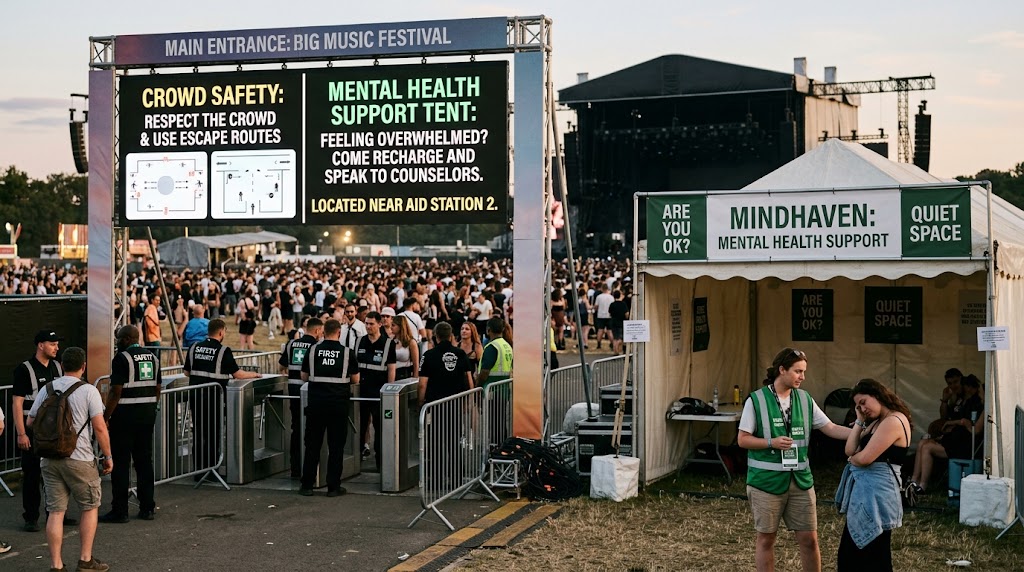

 admin
admin