Reading time: 5 minutes
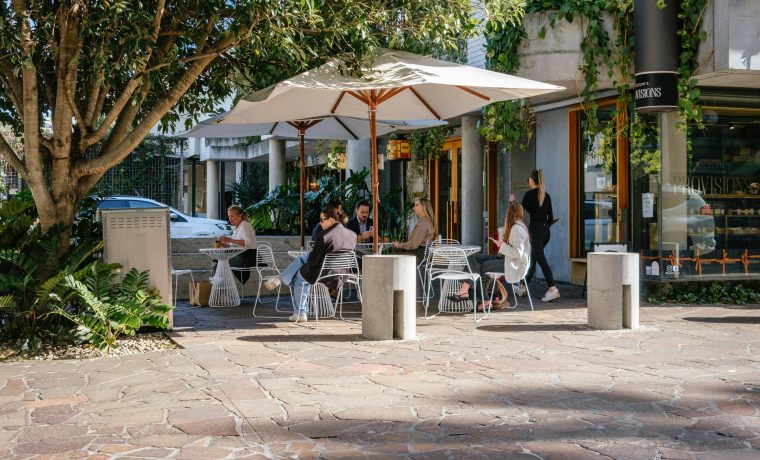
Belonging is often described through big moments: joining a group, moving to a new city or finding people with a shared interest. But much of it develops through smaller repetitions. Seeing familiar faces at a café, attending the same weekly market or spending time in a neighbourhood library can create a sense of connection without requiring a formal invitation. These everyday settings are often called third places: spaces outside home and work where people can encounter one another.
Why ordinary places matter
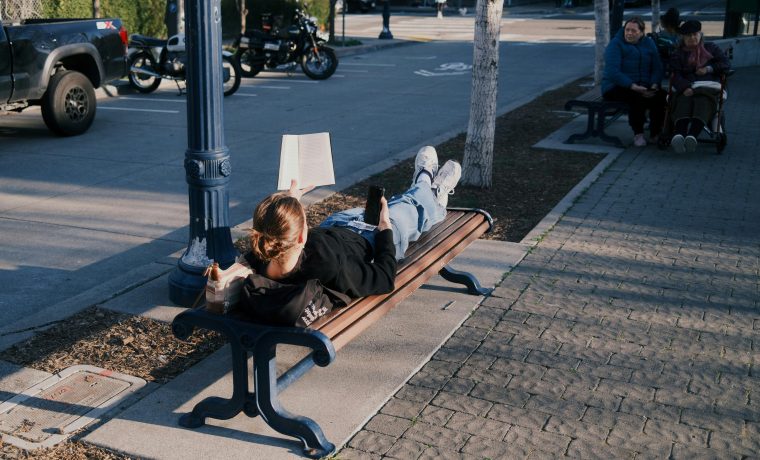
A third place does not need to be fashionable or carefully branded. Its value comes from being accessible enough for people to return. A park bench, community centre, local shop or public reading room can provide a regular point of contact. Over time, small exchanges—a greeting, a shared table, a familiar routine—make a place feel recognisable.
These encounters are different from organised networking. They allow relationships to develop at their own pace. People can participate lightly, observe before joining in or simply enjoy being around others. That flexibility matters for people whose schedules, energy or social confidence change from day to day.
Rituals create continuity
Shared rituals give public spaces a rhythm. A weekend market, an open-mic evening, a neighbourhood clean-up or a regular game night offers a reason to return. The activity may be modest, but repetition creates continuity. Participants begin to recognise one another and develop informal ways of helping newcomers feel comfortable.
Rituals can also carry local identity. They reflect the foods people share, the music they play, the languages they speak and the stories they tell about a place. A healthy community allows these practices to evolve rather than turning them into fixed performances for outsiders.
Belonging depends on access
Not every public space is equally welcoming. Transport, opening hours, cost, safety, disability access and rules about who may gather all influence participation. A venue can describe itself as open while remaining difficult to reach for people who live nearby. Public investment and thoughtful management are therefore part of the social infrastructure of belonging.
There is a balance to maintain. Communities need spaces that feel safe and cared for, but rules should be clear and proportionate. When public places are designed only around consumption, people who cannot afford to buy something may have fewer opportunities to stay. Free seating, toilets, shade and reliable facilities can make a significant difference.
Connection without pressure
Third places cannot solve loneliness on their own, and not everyone wants the same level of social contact. Their contribution is more modest: they make low-pressure encounters possible. They offer a setting in which familiarity can grow through repeated presence rather than forced interaction.
The quiet work of belonging happens when people can return, be recognised and take part on their own terms. Protecting those ordinary spaces is one way to support a richer public life—one built not only around events, but around the everyday possibility of being together.
Image: Josh Howard / Unsplash.