Reading time: 5 minutes
A public square can look open on a map and still feel difficult to use. A bench may be exposed to the sun with no nearby shade. A path may be technically accessible but blocked by parked bicycles. A sign may be clear to a regular visitor and confusing to someone arriving for the first time. These details rarely appear in grand descriptions of a city, yet they influence who stays, who passes through and who feels that a place belongs to them.
Design communicates before anyone speaks
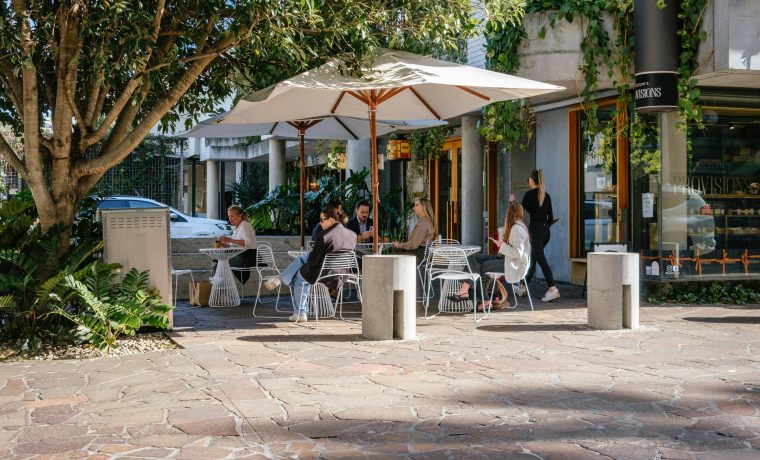
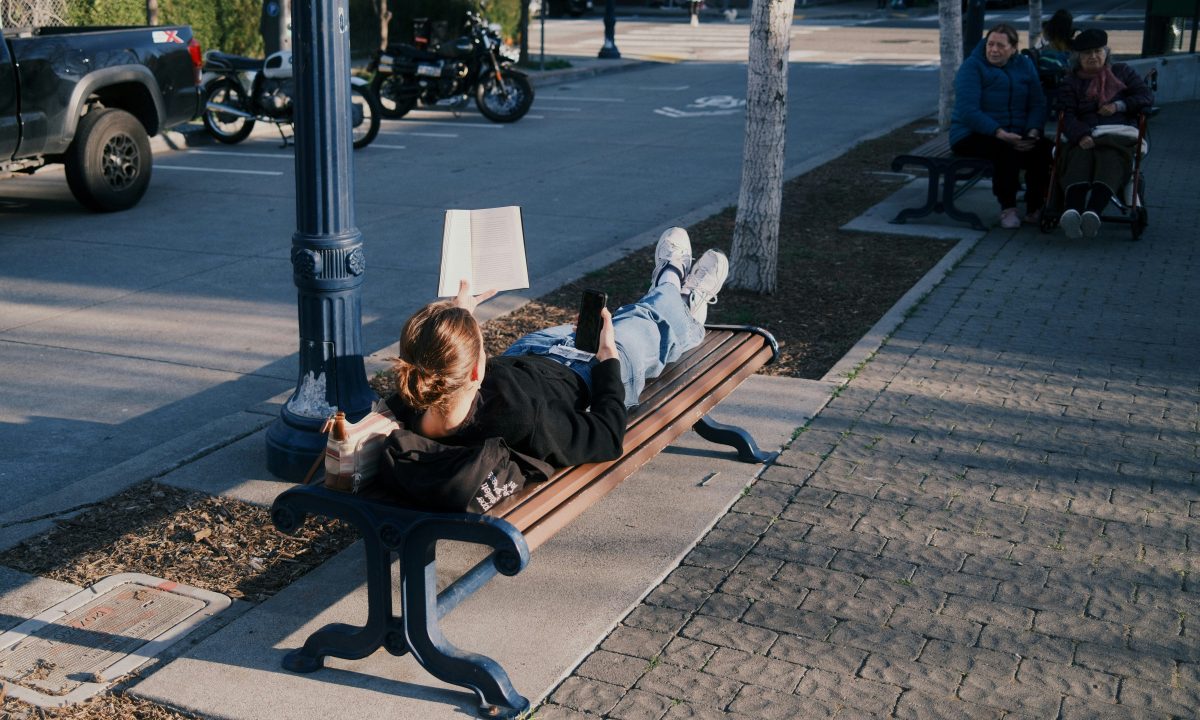
People read public space through small signals. Seating suggests whether it is acceptable to pause. Lighting affects how safe a route feels after dark. The location of entrances, crossings and information boards can make a place easy or stressful to navigate. Even the distance between a bench and a busy path communicates something about whether resting is expected or merely tolerated.
None of these features determines behaviour on its own. Weather, local habits, maintenance and the presence of other people all matter. But design establishes the conditions within which everyday decisions are made. A space that offers shade, clear routes and several kinds of seating gives more people a reason to use it in different ways.
Access is more than a ramp
Accessibility is often reduced to a checklist of physical features. Step-free entry is essential, but it is only one part of a usable environment. Surfaces need to be navigable, crossings need enough time, signs need to be legible and routes should connect to transport and nearby services. People with different mobility, sensory and cognitive needs experience the same place differently.
Good design considers the whole journey. Can someone find the entrance? Is there a place to rest? Are toilets available and clearly signposted? Can a person using a wheelchair reach the same destination without a long detour? Are there quieter routes for people who find crowds or noise difficult? These questions make inclusion concrete rather than symbolic.
Rules can make a space feel public—or conditional
Public places need rules for safety, care and shared use. The difficulty comes when rules are communicated vaguely or enforced unevenly. Restrictions on sitting, gathering, performing or using a space for informal trade can affect different groups in different ways. A policy that appears neutral may make it harder for young people, street vendors, unhoused residents or people who rely on public space for rest.
This does not mean every activity must be permitted everywhere. It means that restrictions should have a clear purpose, be proportionate and be explained. Cities can invite participation by involving local users before making decisions, publishing understandable guidance and providing alternatives when a use genuinely needs to be limited.
Comfort is part of civic infrastructure
Shade, drinking water, clean toilets, waste bins and reliable maintenance may seem unremarkable, but they determine how long people can remain in a place. A square without seating may work as a route through the city while failing as a place to meet. A park with poor lighting may be welcoming in the afternoon but difficult to use in the evening.
Maintenance also shapes trust. A broken light or damaged surface sends a message about whether a place is cared for. Repairing these details is not merely cosmetic. It can make public space safer, more legible and more dependable for people whose routines rely on it.
Ask the people who use the place
Consultation works best when it reaches beyond the loudest or most available voices. Short walking audits, accessible workshops, conversations with nearby businesses and feedback from disability organisations can reveal problems that a design drawing will not show. Children, older residents, shift workers and people who use a place at different times of day may notice different things.
Listening should continue after a project opens. A trial layout, temporary seating or a pop-up crossing can help a city learn from actual use before committing to a permanent solution. The goal is not to collect comments and move on, but to show how feedback changes decisions.
Belonging is built in the details
No single design can make a city equally welcoming to everyone. Public space is shaped by housing, transport, policing, maintenance and wider economic conditions as well as architecture. Still, the everyday environment offers a practical place to begin. Clear information, comfortable seating, accessible routes and fair rules make shared places easier to enter and use.
A genuinely public space does more than leave its gates open. It gives people different reasons and different ways to be there. The details may be quiet, but they help decide whether a city is experienced as a collection of routes to move through or as a place where people can stay.
Image: Nish Gupta / Unsplash.