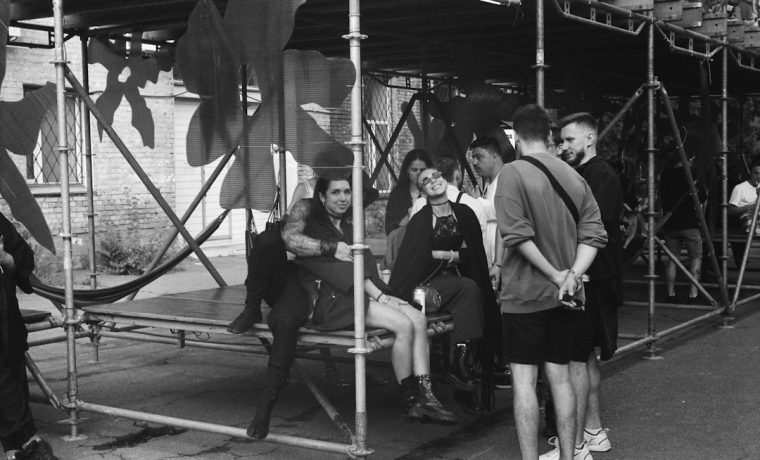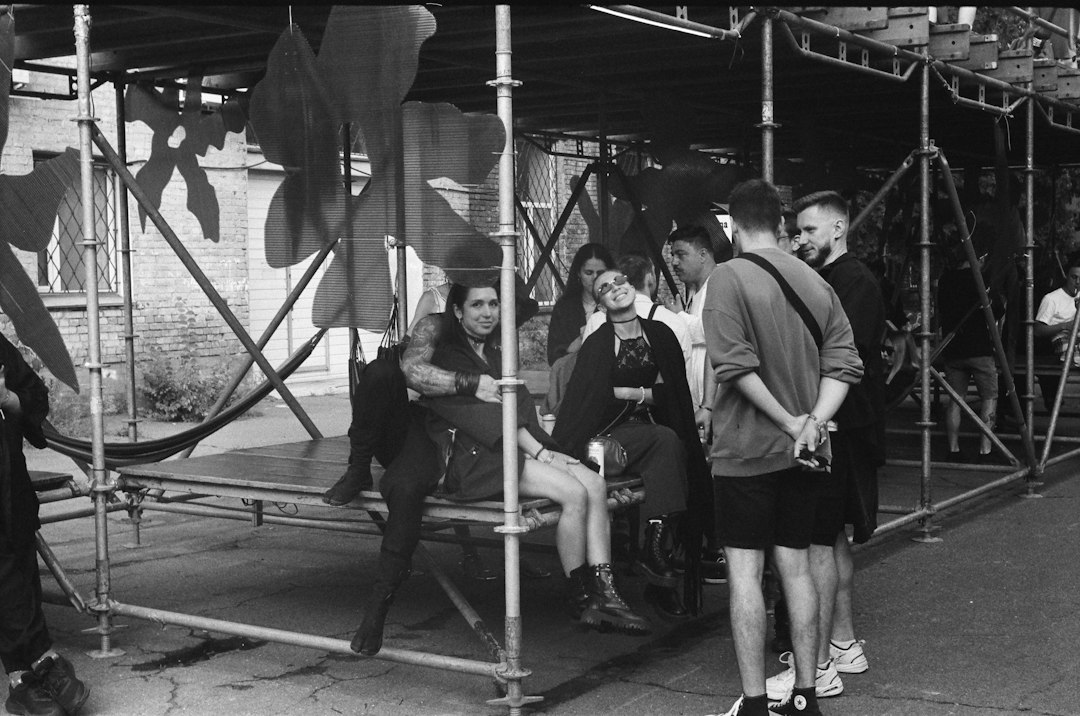
Cafes, libraries, record shops and community venues provide informal spaces where people can meet beyond home and work. Their role is increasingly important to creative life.
The roots of the pattern
A third place is somewhere people can spend time without the obligations of home or the demands of work. It may be a cafe, library, park, workshop or small venue. These spaces allow conversation to happen casually, often between people who would not otherwise meet. For young creatives, that informal contact can lead to collaborations, friendships and a sense of belonging.
What changes when culture travels
Digital networks help people find one another, but they do not fully replace the experience of sharing a physical environment. A conversation after a screening or an unexpected meeting at a bookshop can create trust in ways that a quick message rarely does. The setting also gives people a reason to leave their usual routines and encounter different perspectives.
The value of context
Access is the central issue. If every comfortable place requires a purchase, people with limited money are excluded from the social life of a neighbourhood. Libraries, public parks and community-run spaces matter because they offer forms of participation that are not tied to consumption. Affordable venues and inclusive opening hours make these places more useful.
Making sense of what comes next
Cities can support third places by protecting public facilities, encouraging mixed-use neighbourhoods and helping independent venues remain affordable. Residents can contribute by treating shared spaces with care and supporting organisations that keep their doors open. Creative communities need places to gather before they need a stage on which to be seen.
Subculture Magazine — independent perspectives on contemporary culture.