Reading time: 5 minutes
A film can show a character standing in an empty room, but sound tells us what kind of emptiness it is. A distant traffic hum suggests a city continuing beyond the walls. A refrigerator’s low vibration makes the room feel inhabited. A sudden absence of sound can make a familiar space seem unfamiliar. Film is a visual medium, but its emotional geography is built through listening as much as looking.
Sound gives a location its texture
Production sound and later sound design help establish where a scene takes place. Footsteps change across wood, concrete and gravel. A crowded station has a different rhythm from a quiet kitchen. The background may include birds, ventilation, passing vehicles or the muffled activity of neighbouring rooms. These details give a setting a sense of scale and life.
Not every sound needs to be prominent. Often the most convincing soundscape is one that feels integrated into the scene rather than calling attention to itself. A carefully chosen ambient layer can make a location believable while leaving space for dialogue and performance.
Perspective is something we hear
Sound can place the audience close to a character or keep them at a distance. A conversation may be clear while the surrounding room becomes indistinct, reflecting a person’s concentration or anxiety. A voice heard through a wall can make another space feel present but inaccessible. A shift in volume or clarity can move attention without a camera cut.
This makes sound a powerful storytelling tool. It can suggest what a character notices, what they ignore and what they cannot yet understand. The audience is not simply hearing everything that exists in the fictional world; it is being guided through a particular experience of it.
Music does not have to explain the emotion
A score can create momentum, introduce tension or connect scenes across time. But music is not the only way to shape feeling. A restrained scene may become more affecting when the soundtrack avoids telling the audience what to feel. Natural sound, silence and the rhythm of dialogue can leave room for ambiguity.
When music is used, its relationship with the image matters. A familiar style can establish a period or genre, while an unexpected choice can create distance between what a scene appears to mean and what the audience senses beneath it. The strongest decisions serve the scene rather than simply decorating it.
Silence is an active choice
Silence in film is rarely literal. There may still be breath, fabric movement or the faint sound of a room. What changes is the audience’s awareness of those details. By reducing the soundscape, a filmmaker can make a small gesture feel significant or allow a moment to stretch beyond ordinary conversational rhythm.
Silence can also make a later sound more powerful. A door closing, a phone vibrating or a single line of dialogue may carry unusual weight after a long quiet passage. The effect depends on contrast and timing, not simply on lowering the volume.
The craft behind what seems effortless
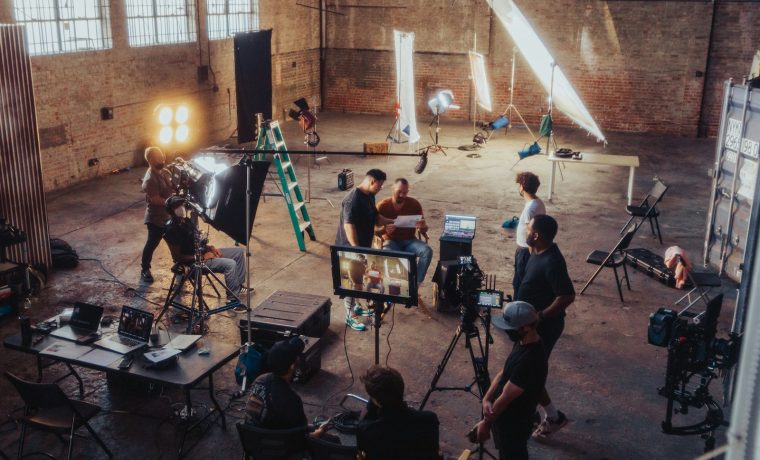
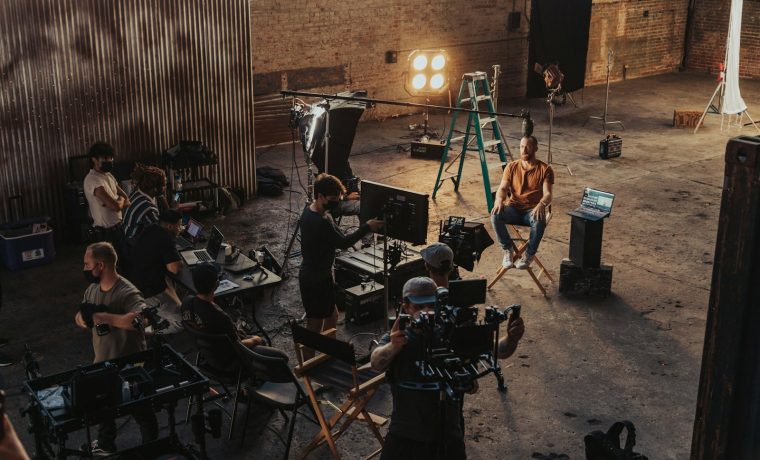
Film audio is collaborative. Production sound teams record dialogue and atmosphere on location. Editors select and shape those recordings. Sound designers build or manipulate effects, while mixers balance dialogue, music and environmental detail for the final presentation. Each stage involves decisions about clarity, realism and emphasis.
The process also has practical limits. Locations can be noisy, performances may need to be recorded in difficult conditions and different playback systems reproduce sound in different ways. A mix has to work in a cinema while remaining understandable on smaller speakers and headphones. That challenge makes clarity and intention especially important.
Listening is part of access
Captions and subtitles help audiences follow dialogue and identify important sounds. Audio description can communicate visual information for people who are blind or have low vision. These tools are not separate from the film’s artistic life; they are ways of making its storytelling available to more people. Clear dialogue and thoughtful sound choices can support access without flattening complexity.
Watch again with your ears
On a second viewing, listen for what happens between lines: the room tone, a change in distance, the way music enters or the moment a familiar sound disappears. These details often reveal how carefully a scene has been constructed.
Film sound works best when it feels inseparable from the world on screen. It gives places texture, characters perspective and moments their rhythm. The image may catch the eye first, but the sound is often what makes a scene stay with us.
Image: Miguel Ángel Hernández / Unsplash.