Reading time: 5 minutes
For many creators, a platform is the easiest place to publish. It provides an audience, familiar tools and a built-in way for work to circulate. But the convenience comes with a trade-off: the platform controls important parts of distribution, discovery and the relationship between creator and audience. Changes to recommendation systems, account rules or business models can alter a creator’s reach with little warning. That reality is prompting a broader conversation about digital ownership.
Reach is not the same as control
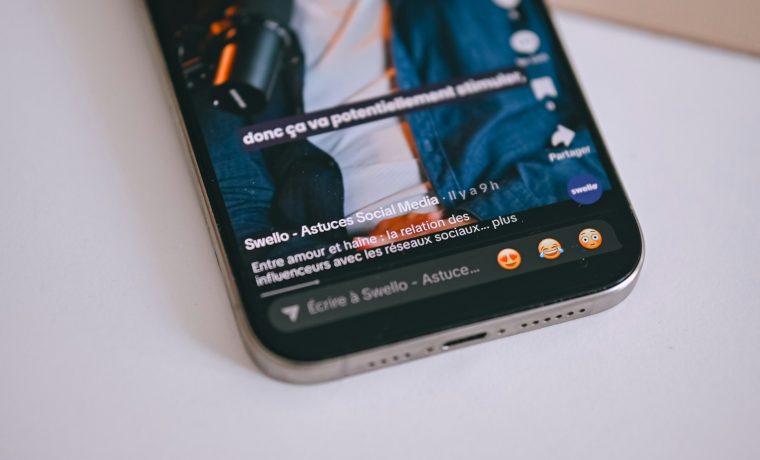
A large following can create the impression of security, but followers are not the same as an audience a creator can reliably reach. A post may be shown to only a portion of subscribers, while a change in ranking can make established work harder to find. Creators can influence their publishing choices, yet they rarely control the infrastructure that determines visibility.
This does not make platforms useless. They remain powerful discovery tools and can help new voices find communities. The important distinction is between using a platform to reach people and relying on it as the only place where a creative practice exists.
Build a home beyond the feed
A personal website, newsletter, podcast archive or independent shop can give creators a more stable home for their work. These channels make it easier to organise older material, explain a project and communicate directly with interested readers. They also create a record that is not entirely dependent on a changing feed.
Owning a channel brings responsibilities. Websites need maintenance, newsletters require consent and careful data handling, and direct communication takes time. A sustainable approach is usually a small network of tools rather than an attempt to manage every technical detail alone.
Understand rights and reuse
Digital ownership also concerns the work itself. Creators should understand the licences they grant when uploading, how their images or writing may be reused and what happens to their material if an account closes. Clear contracts and accessible records can help protect work when it moves between platforms, publishers and collaborators.
Audiences have a role too. Sharing a creator’s original link, crediting the source and respecting permission requests can support a healthier circulation of work. Visibility is valuable, but it should not erase the labour or rights of the person who made something.
A more resilient creative practice
No creator can become fully independent of technology providers, and a personal website does not guarantee an audience. Resilience comes from reducing single points of failure: keeping backups, maintaining a direct contact channel, documenting rights and choosing platforms for specific purposes.
The goal is not to abandon the digital spaces where culture happens. It is to make sure a creator’s work, relationships and identity are not confined to one company’s interface. A platform can be a useful stage. It should not have to be the entire building.
Image: Vitaly Gariev / Unsplash.