Reading time: 5 minutes
A loose button or worn seam used to be treated as a problem to fix before a garment could be worn again. Increasingly, repair is becoming part of the way people think about personal style. Visible stitching, altered proportions and carefully patched fabric can give clothing a distinct character. More importantly, mending changes the relationship between a person and a wardrobe: garments become objects to maintain and adapt rather than items that must be replaced when they show signs of use.
Wear becomes part of the story
Clothing records everyday life. A jacket softens at the elbows, denim fades in familiar places and a favourite bag develops marks from years of use. Repair can preserve those traces while making an item useful again. A patch or a new lining does not have to hide the history of a garment; it can become another layer of it.
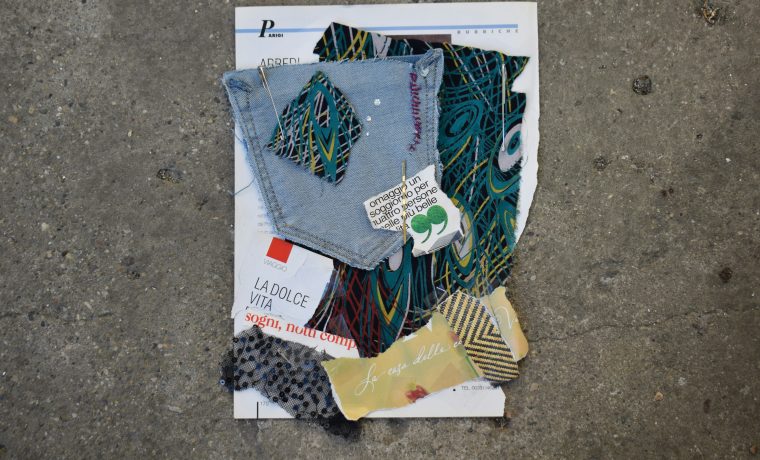
Visible mending makes this idea explicit. Contrasting thread, decorative patches and hand stitching turn practical work into a design choice. The result can be personal without requiring a completely new purchase.
Alteration creates a better fit
Repair is not limited to fixing damage. Tailoring can change a sleeve, adjust a hem or reshape a garment that no longer fits the way it once did. Small alterations can make older pieces feel relevant to a different routine or silhouette. They also offer an alternative to treating every seasonal change as a reason to shop.
Access matters. Not everyone has the time, equipment or skills to sew, and professional alterations can be expensive. Community repair sessions, clothing swaps and practical tutorials can make these skills easier to learn. A useful repair culture recognises both skilled professionals and informal knowledge shared between friends.
Care is a style decision
Looking after clothes begins before a repair is needed. Washing less aggressively, following care labels, storing garments properly and dealing with small problems early can extend their useful life. These habits may not be visible in an outfit photograph, but they influence how a wardrobe develops over time.
There is a risk that repair becomes another trend sold through expensive products or aesthetic packaging. Its value is broader than appearance. It can reduce waste, preserve useful items and help people make more deliberate decisions about consumption. The most accessible approach is often to start with what is already owned.
Style with a longer memory
Personal style does not have to mean constant reinvention. A repaired garment can carry a memory, show a maker’s skill or become more expressive through use. Choosing to mend something is also a choice to keep it in circulation rather than automatically replacing it.
The repair mindset offers a quieter kind of creativity. It asks what a garment could become with care, patience and a little imagination. In a fashion culture built around the new, that ability to make something last can be a style statement in itself.
Image: Cesar La Rosa / Unsplash.