Reading time: 5 minutes
A neighbourhood café may seem like a simple business: prepare drinks, serve food and keep a room open. Yet the most memorable cafés often play a larger role in local life. They provide a place to pause between errands, meet a friend, read alone or become familiar with people who follow similar routines. Their importance is built gradually, through repeated visits rather than one spectacular event.
The comfort of a regular place
Routine can be a form of belonging. A customer who visits at the same time each week may begin to recognise staff and other regulars. A small exchange at the counter becomes part of the rhythm of a day. These relationships are usually informal, and that is precisely why they matter. People can participate without joining an organisation or making a formal commitment.
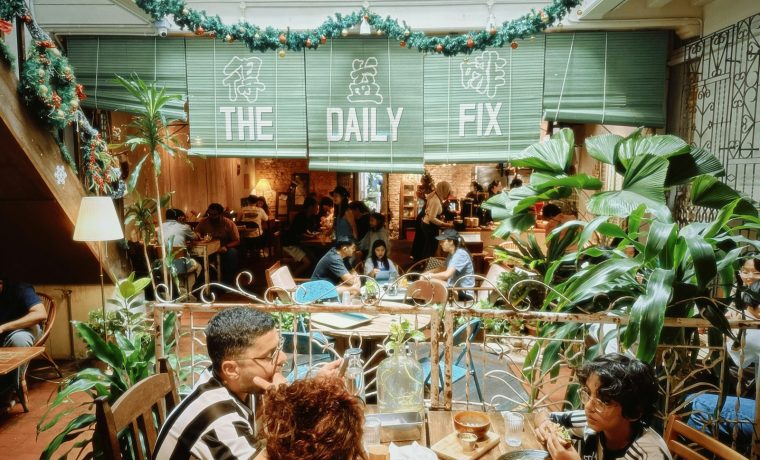
Good cafés allow different kinds of use. Some customers want a quick takeaway; others need a table for a longer conversation. A thoughtful layout offers a range of seating and avoids making every visitor feel that they must consume quickly. The room should be comfortable for the people it is intended to serve, not only attractive in photographs.
Design and hospitality work together
Interior design influences how people move and stay. Lighting, acoustics, table spacing and access to natural light all shape the experience. But design cannot compensate for unwelcoming service or inconsistent quality. A café’s character comes from the relationship between its physical environment and the people who maintain it.
Hospitality also includes practical details: clear prices, accessible entrances, clean facilities and staff who have enough support to do their jobs well. A place that feels relaxed to customers should not depend on invisible pressure placed on workers.
Local connections matter
Cafés can support neighbourhood culture by displaying work from local artists, hosting small gatherings or working with nearby producers. These activities do not need to become a constant programme. A rotating noticeboard, a local publication on the shelf or a collaboration with a nearby organisation may be enough to make the connection visible.
There are limits to what a small business can provide. A café is not a replacement for a library, community centre or public space. It also needs to remain financially sustainable. The most useful approach is to recognise its role without expecting it to solve every social need in the neighbourhood.
Keeping the welcome sustainable
Rising rents, supply costs and staffing pressures can make it difficult for independent cafés to remain open. Customers may value a place but still have limited budgets. Owners can respond through a clear offer, fair pricing and relationships that encourage repeat visits rather than constant novelty.
A neighbourhood café becomes cultural infrastructure when it gives people a dependable place to be. Its contribution may be quiet, but the effect is cumulative: a familiar room, a daily ritual and a small network of recognition that helps a neighbourhood feel lived in.
Image: Phillip Flores / Unsplash.