Reading time: 5 minutes
Street style is often presented as a visual competition: the most striking outfit, the newest silhouette or the person who appears most effortlessly fashionable. But clothing seen in public can tell a wider story. It reflects weather, transport, work, neighbourhood habits and the practical decisions people make as they move through a city. To read street style closely is to read a place through its everyday conditions.
Clothes respond to the city
A city’s climate influences fabric, layering and footwear, while its transport systems shape what is comfortable to wear. People who walk long distances may choose different shoes from those who travel mostly by car. A crowded train changes the usefulness of a large bag; sudden rain makes outerwear more than an aesthetic decision. These practical factors become part of local style, even when wearers are not thinking about them consciously.
Work also leaves a visible mark. Uniforms, protective clothing, office dress codes and informal workwear all coexist in public space. The way people adapt these garments—rolling sleeves, changing shoes, adding accessories—can show how personal expression fits around professional expectations.
Local references and shared memory
Clothing can carry references to music scenes, sports clubs, religious practice, family histories and neighbourhood identity. A particular colour or garment may mean something specific to a community while appearing ordinary to an outsider. These references are not always intended for public interpretation. They can be personal, practical or deliberately understated.
Street photography should therefore be approached with care. Photographing people without context can turn their clothing into a trend report while removing the lives that give it meaning. Good visual storytelling respects the person in the frame and avoids treating a community as a costume archive.
Who gets represented?
Fashion media has often favoured a narrow image of what counts as stylish. Street style has the potential to widen that picture by showing different ages, bodies, budgets and ways of dressing. But the camera still makes choices. If photographers only seek out familiar fashion districts or people who already fit editorial expectations, the resulting record will remain limited.
More representative coverage requires curiosity about different parts of a city and a willingness to listen. It also requires consent and fair treatment when images are published. A person’s everyday outfit is not automatically public property simply because it is visible on the street.
A living map of taste
Street style changes through exchange. People borrow references, adapt garments and reinterpret older looks in response to new circumstances. The result is rarely a single trend moving in one direction. It is a collection of local decisions that overlap and diverge.
Seen this way, street style is a form of local knowledge. It tells us how people negotiate identity, comfort and belonging in the spaces they share. The most interesting outfit may not be the most expensive or dramatic. It may be the one that makes visible a particular relationship between a person and their city.
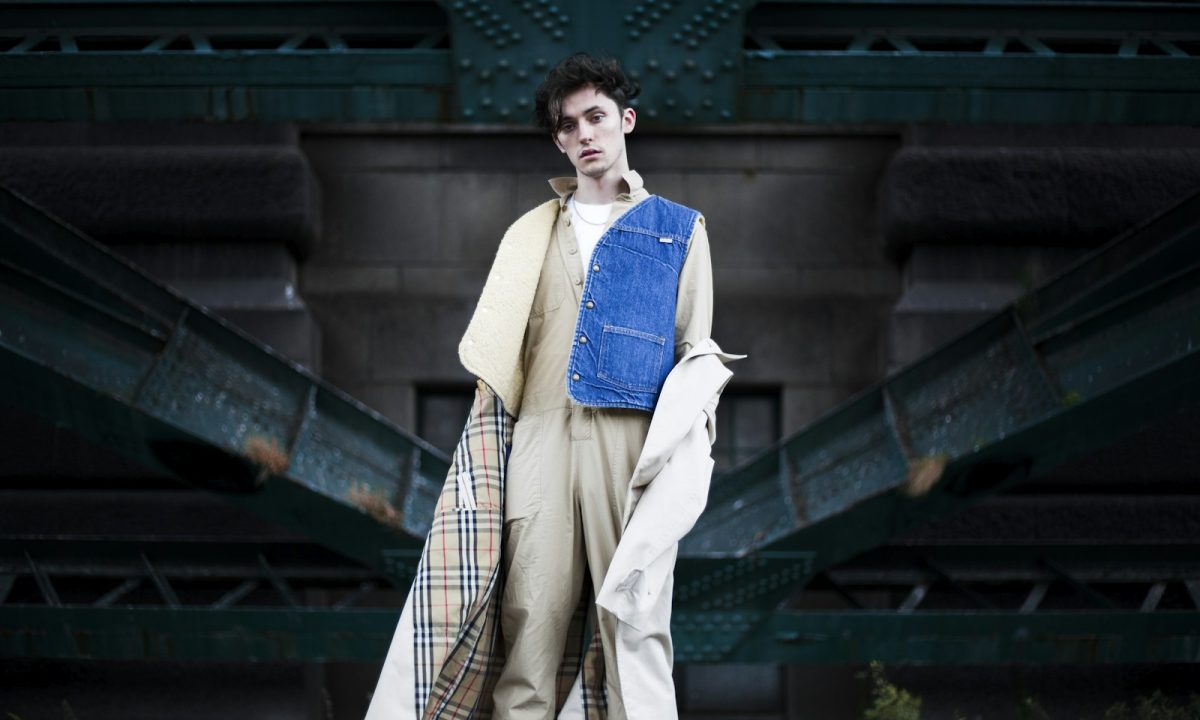
Image: Alex Wright / Unsplash.