The Importance of Third Places for Young Creative Communities
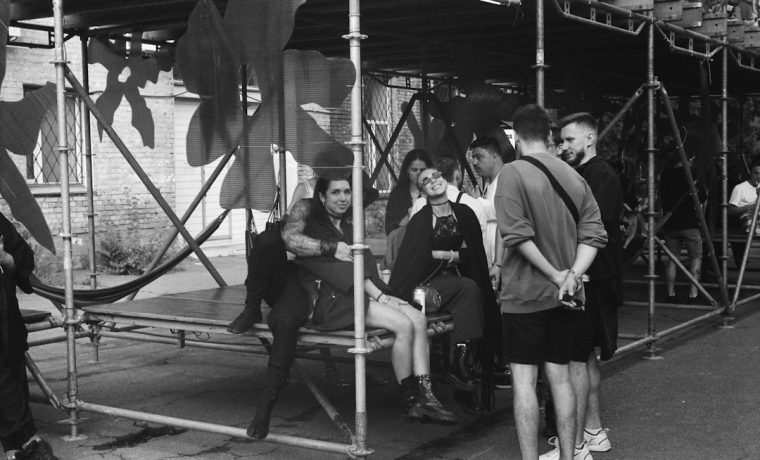
Cafes, libraries, record shops and community venues provide informal spaces where people can meet beyond home and work. Their role is increasingly important to creative life.
 23 November 2026The Album as a Journey: Why Track Order Still Matters
 23 November 2026The Quiet Craft of the Pantry: Building a More Flexible Home Kitchen
 23 November 2026The Sound of a Scene: Why Film Audio Shapes What We Feel
 23 November 2026The Politics of the Dress Code: How Rules Shape What We Wear
 23 November 2026The Interface Is the Message: How App Design Shapes Everyday Habits
 23 November 2026The Hidden Rules of Public Space: Who Feels Welcome in a City?
 23 November 2026Beyond the Bestseller: Why Independent Small Presses Matter
 23 November 2026The Creative Power of Constraints: How Limits Shape an Artist’s Work
Cafes, libraries, record shops and community venues provide informal spaces where people can meet beyond home and work. Their role is increasingly important to creative life.
Independent designers are challenging the idea that luxury must mean scale or status, placing craft, transparency and distinctive points of view at the centre.
A thoughtful film programme is more than a list of screenings. It creates connections between works, periods and audiences, turning cinema into an ongoing conversation.
A growing visual sensibility values proximity, ambiguity and lived experience over polished perfection. Here is what that shift means for photographers and audiences.
Independent restaurants shape neighbourhood identity through food, hospitality and the relationships built around a shared table.
In a streaming culture shaped by singles and playlists, the album remains a powerful format for sequencing, atmosphere and artistic intention.
Digital progress is often measured through speed and scale, but healthier online experiences also depend on context, trust and meaningful participation.
Independent bookshops offer more than shelves of titles. They create spaces for discovery, local conversation and a personal relationship with reading.
Subcultures rarely disappear when their style becomes popular. Their symbols may travel into the mainstream, while the communities that created them continue to evolve.
Street style records more than trends. Clothing in public space reveals how people negotiate identity, climate, class, music and the changing character of a city.