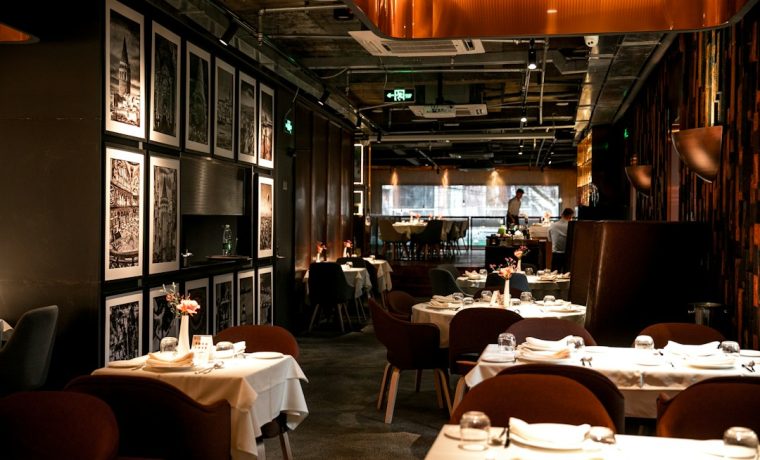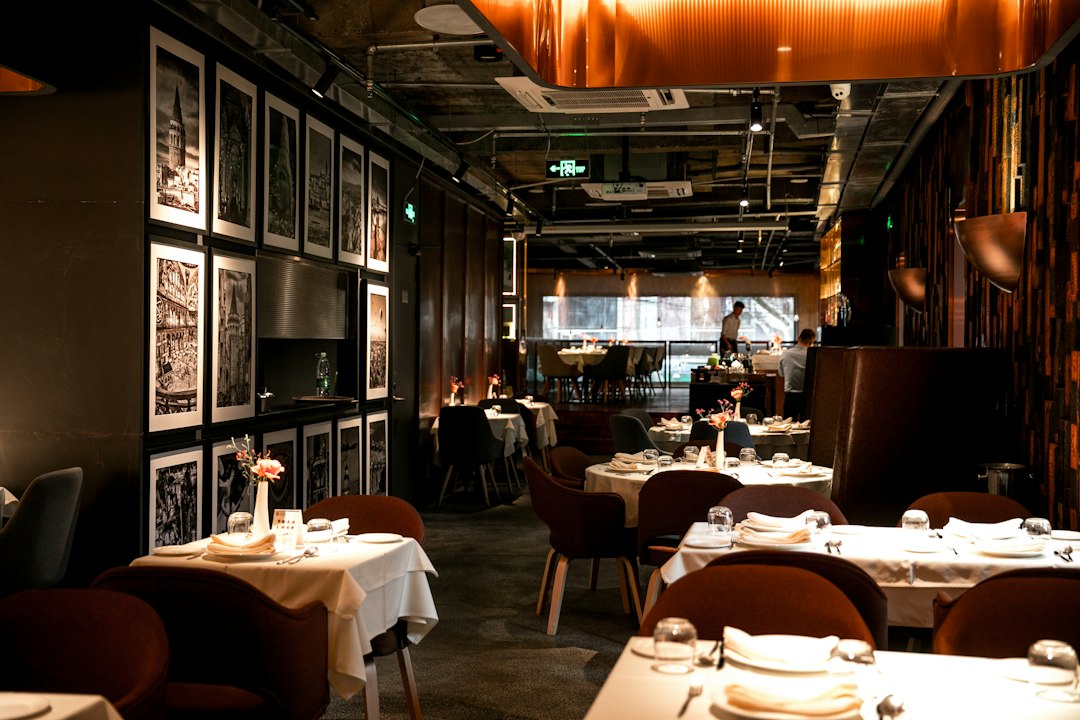
Independent restaurants shape neighbourhood identity through food, hospitality and the relationships built around a shared table.
The setting and its people
A restaurant can become part of a neighbourhood’s memory. People return for familiar dishes, celebrations and the small rituals that develop between staff and regulars. The room becomes a setting for everyday life, not simply a place to buy a meal. Independent operators often create this feeling through personal choices about menus, music, design and service.
The work behind the experience
The work behind that atmosphere is demanding. Owners balance rent, staffing, suppliers, regulation and unpredictable demand, often while trying to maintain a distinctive point of view. A restaurant’s identity may depend on relationships with local farms, bakers or makers, but those partnerships require time and fair prices to remain viable.
Culture, access and responsibility
Restaurants also shape how a city understands itself. Menus can reflect migration, family histories and changing tastes, while dining rooms bring together people who might not meet elsewhere. The most interesting places do not need to be fashionable destinations. They need to offer something specific and make people feel welcome.
A more sustainable way forward
Supporting independent restaurants means looking beyond a single visit. Returning, recommending a place and respecting the labour involved can help sustain a local food culture. A neighbourhood with varied, locally rooted restaurants has more than choice; it has places where community life can happen.
Subculture Magazine — independent perspectives on contemporary culture.