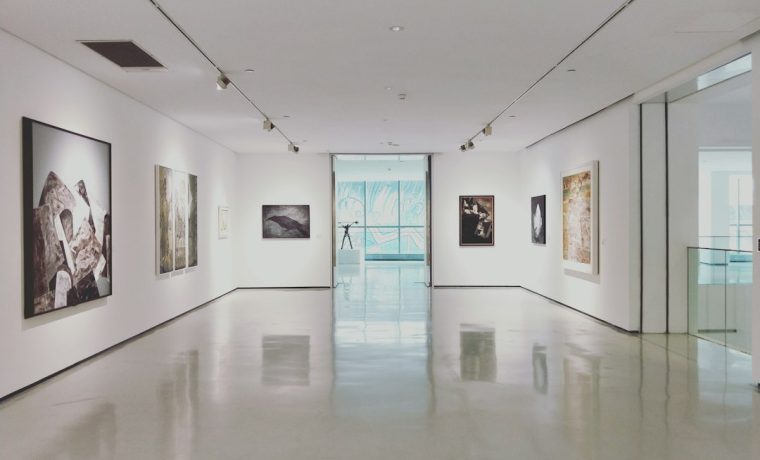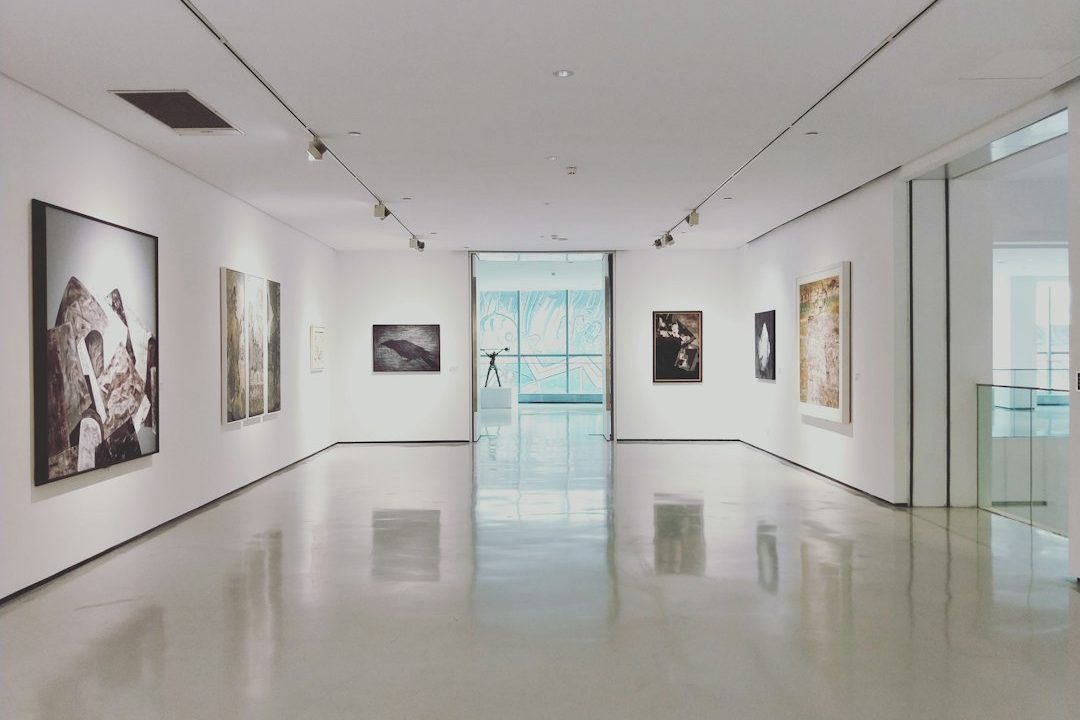
When images arrive faster than we can process them, slow looking offers a practical way to recover context, detail and a more thoughtful relationship with visual culture.
The speed problem
A typical day can contain thousands of images: messages, advertisements, news photographs, screenshots and short-form video. Most are seen for a fraction of a second. This pace is useful for scanning information, but it makes sustained attention feel unusual. Slow looking is not a rejection of digital life. It is a deliberate shift in how we encounter an image, allowing details and questions to emerge before we decide what it means.
A simple method for looking longer
Choose one image and stay with it for two minutes. First describe only what is visible: shapes, light, gestures, colours and spatial relationships. Then notice what you assumed immediately and whether the details support that assumption. Finally, ask what is outside the frame. This small exercise separates observation from interpretation. It can be used in a gallery, on a news page or with a photograph found in a family archive.
Context changes meaning
An image rarely speaks entirely for itself. Captions, dates, authorship and the circumstances of production influence what viewers understand. A photograph circulated without context can be misread or used to support a story it was never intended to tell. Slow looking includes checking where an image came from and considering who benefits from a particular interpretation. That habit is especially important when images are reposted far from their original setting.
The value of uncertainty
Not every image needs an immediate verdict. Some works are designed to resist a quick explanation; others contain conflicting emotions that become clearer over time. Allowing uncertainty does not mean abandoning critical judgement. It means resisting the pressure to turn every encounter into a simple like, dislike or opinion. Viewers can remain curious while still asking difficult questions about representation, power and visual evidence.
Building a more attentive culture
Museums can support slow looking through seating, accessible labels and programmes that reward discussion. Publishers can use thoughtful sequencing and captions rather than relying only on rapid feeds. Individuals can save images to revisit, follow photographers over time and make room for printed work. These gestures are modest, but they change the conditions of attention. In a culture of infinite images, choosing to look carefully becomes a meaningful act.
Subculture Magazine explores the ideas, people and places shaping contemporary culture.