 Roland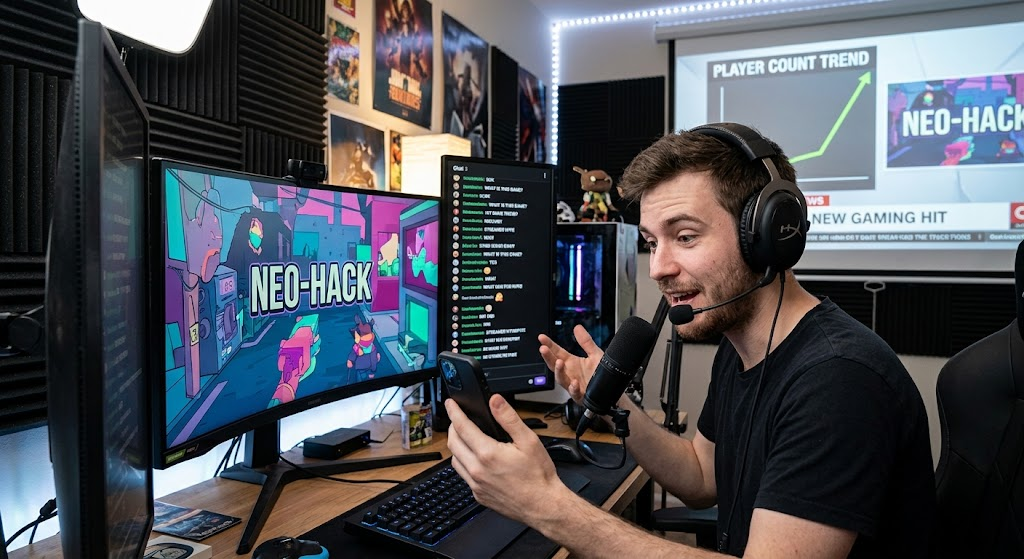
In the summer of 2020, a modest multi-player indie game about colorful space crewmates trying to identify an alien impostor sat virtually unnoticed on digital storefronts, two years after its quiet launch. Within months, it had accumulated hundreds of millions of downloads, becoming a global cultural phenomenon. The catalyst was not a multi-million-dollar billboard campaign or a glowing review in a traditional gaming magazine. It was a handful of Twitch streamers who dusted off the title during lockdown late-nights, broadcasting their hilarious, paranoid arguments to millions of viewers stuck at home.
That turning point marked a fundamental shift in the economics of the interactive entertainment industry. Today, the commercial success of a video game is rarely decided in executive boardrooms or through polished cinematic trailers unveiled at trade expos. Instead, the power to turn an unknown indie project into a billion-dollar blockbuster—or to consign a high-budget studio title to commercial irrelevance—rests largely in the hands of digital content creators and live streamers.
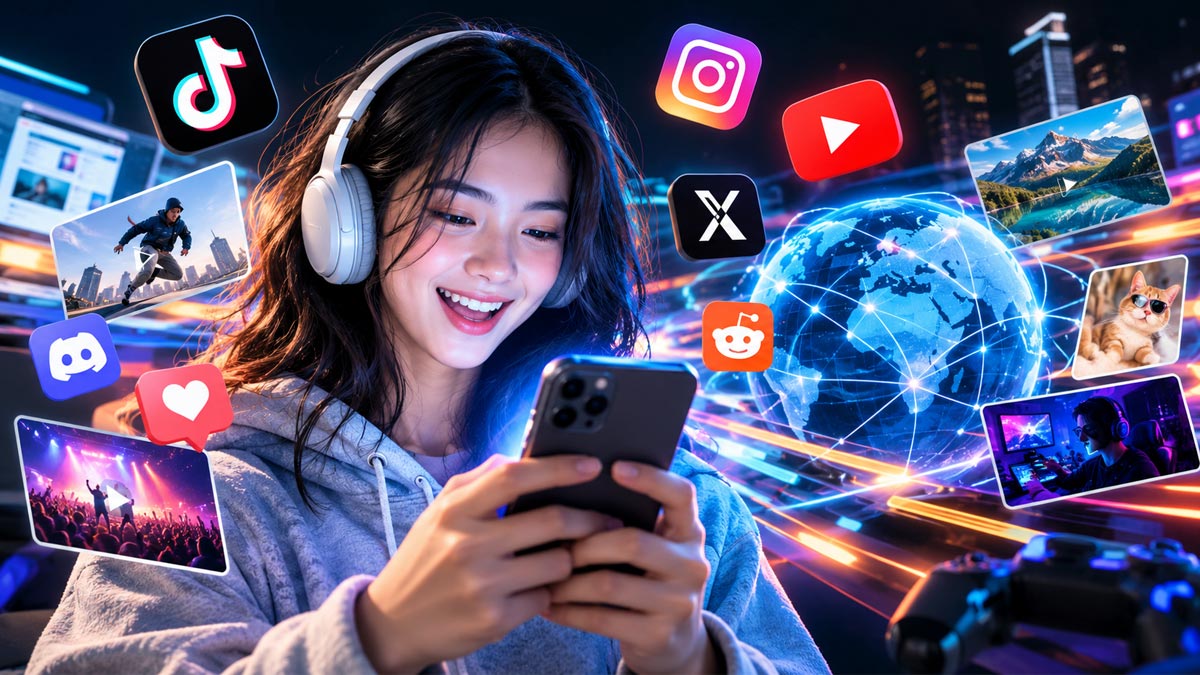
Across platforms such as Twitch, YouTube, Kick, and TikTok, thousands of creators hold unprecedented sway over consumer behavior. By combining live gameplay, unscripted comedy, high-stakes competition, and real-time audience engagement, streamers have become the primary tastemakers of modern gaming culture, reshaping how games are marketed, designed, and commercialized.
The Death of Traditional Marketing and the Rise of Organic Virality
For decades, the video game marketing playbook was standardized. Major publishers allocated massive budgets to cinematic television commercials, print advertisements, targeted digital banners, and exclusive preview access for traditional games journalism outlets. A game’s commercial trajectory was heavily anchored to its opening weekend sales, driven by months of orchestrated public relations buildup.
That top-down marketing framework has largely collapsed under the weight of digital creator networks. Today’s gaming consumers, particularly Gen Z and Alpha, actively bypass traditional advertising channels. Instead, they rely on trusted creators—such as Kai Cenat, Ibai Llanos, xQc, Markiplier, and Ninja—to discover what titles are worth their time and money.
This migration of attention has created an environment where organic virality routinely outpaces corporate promotion:
- Instant Conversion Loops: Unlike traditional media advertisements that require viewers to remember a product for later purchase, live streams offer frictionless conversion. A viewer watching a creator play an intriguing game can click an embedded referral link or open a digital storefront and begin playing the exact same title within minutes.
- The Elimination of Pre-Release Lag: When publishers grant early access keys to creator networks prior to launch, potential buyers experience the game in raw, unedited form. The gap between initial curiosity and fulfillment shrinks to days or hours, generating intense social fear of missing out (FOMO).
- Resurrection of Forgotten Titles: Streaming platforms possess the unique ability to revitalize older games. Titles that suffered quiet launches can experience explosive commercial second lives overnight simply because a high-profile creator decides to play them on a whim.
The commercial impact of this dynamic is staggering. Breakthrough titles over recent years—from low-budget co-op survival games to quirky horror titles and indie sandboxes—achieved millions of sales in their launch weeks with zero traditional advertising spend, relying entirely on the momentum of streamer coverage.
The “Streamability” Factor: Designing Games for the Camera
As developers recognize that streamer adoption is a primary prerequisite for commercial success, the core philosophy of game design has adapted accordingly. Studios no longer evaluate prototype game mechanics solely on how fun they are to play; they assess how entertaining they are to watch.
This industry shift has birthed a design metric known within development circles as “streamability.” Games engineered for maximum streamability prioritize features that generate high-energy reactions, emergent storytelling, and audience participation.
High Mechanical Friction + Emergent Physics = Unscripted Comedy and Viral Clips
Clear Spectator UI + Low Visual Noise = High Viewing Comprehension
Live Chat Integrations + Audience Voting = Interactive Gameplay
Several key design characteristics define the current generation of streamer-friendly hits:
- Emergent Chaos and Physics Traps: Games built with unpredictable ragdoll physics, proximity voice chat, and high-stress cooperative mechanics naturally produce unscripted comedic moments. When a player’s accidental mistake triggers a catastrophic, absurd chain reaction, it creates ideal short-form clip content for platforms like TikTok and YouTube Shorts.
- High-Stakes Tension and Jump Scares: Psychological horror games and high-difficulty survival titles excel on live streams because they provoke authentic emotional reactions from creators. Exaggerated shock, genuine fear, and intense relief are universally engaging, driving high spectator retention rates.
- Low Barrier to Spectator Comprehension: A successful streamable game allows a viewer who tunes in mid-broadcast to understand the stakes immediately. Clear visual objectives—such as escaping a monster, surviving a timer, or maintaining a shared resource—ensure that passive viewers can follow the narrative arc without needing complex context.
- Interactive Viewer Mechanics: Advanced titles now incorporate native platform integrations, allowing Twitch or YouTube chat communities to vote on in-game events, spawn obstacles, send care packages, or directly alter environmental conditions in real time, transforming passive audiences into active co-directors of the stream.
The Economic Calculus: Paid Campaigns vs. Organic Endorsement
Recognizing the kingmaking power of digital creators, game publishers have drastically reallocated their promotional budgets. Tens of millions of dollars previously dedicated to traditional media buys are now funneled directly into creator sponsorship campaigns, often referred to within the industry as “paid activations” or “bounties.”
During a major game launch, publishers pay top-tier creators lucrative hourly rates to stream their new titles for designated time blocks. For high-profile influencers with tens of thousands of concurrent viewers, these sponsored streams can command five-to-six-figure payouts for a few hours of gameplay.
However, the economic relationship between publishers and creators remains complex, governed by strict audience authenticity checks:
- The Authenticity Filter: Modern digital audiences possess highly tuned detectors for forced enthusiasm. If a streamer is visibly bored or playing a game purely for a contract payout, viewers rarely convert into buyers. The moment the sponsored stream concludes, viewership for the game typically plummets.
- The Power of Genuine Addiction: The most commercially devastating marketing events occur when a creator continues playing a game long after their paid contractual obligation ends, or when they purchase and stream a title entirely unprompted. Organic enthusiasm signals true quality to an audience, triggering massive ripple effects across the creator ecosystem as other streamers jump on the trend to share the audience interest.
- Regulatory Transparency: Regulatory bodies worldwide, including the Federal Trade Commission (FTC), mandate clear visual and verbal disclosures for sponsored content. This transparency forces publishers to rely on genuine game quality rather than masked promotions to drive sales.
As a result, smart publishers use paid activations primarily as an initial distribution catalyst—a way to guarantee that a game gets placed in front of millions of eyes on day one. But whether that initial broadcast transforms into a sustained gaming hit depends entirely on whether the game captivates the creators themselves.
The Dark Side of Creator Power: Volatility and the “Flavor of the Month” Trap
While the creator economy has democratized game discovery, allowing small indie developers to out-compete multi-billion-dollar publisher blockbusters, it has also introduced unprecedented volatility into the video game marketplace.
The fundamental business model of live streaming relies on novelty and constant audience engagement. Consequently, many streamer-driven hits suffer from the “flavor of the month” syndrome: a title explodes in popularity, dominates global social media algorithms for three to six weeks, and then experiences a catastrophic drop in player retention as creators migrate to the next viral trend.
This rapid churn creates severe operational hazards for game studios:
Server Overload and Technical Collapse
Indie development teams consisting of a handful of programmers often find their infrastructure completely overwhelmed when a top streamer suddenly picks up their title. Overnight surges from hundreds to hundreds of thousands of concurrent players routinely crash servers, leading to negative early reviews and technical debt that small teams struggle to fix before the hype window closes.
Sustainable Live-Service Pressure
Games propelled to sudden fame by content creators face immense pressure to deliver continuous content updates, new maps, and fresh cosmetics to keep streamers engaged. Small development teams that were not structured for rapid live-service operations often experience severe staff burnout trying to keep pace with an appetite for content that their success demands.
The Threat of Creator-Led Backlashes
The same influence that enables a creator to elevate a game can be deployed to destroy it. If a prominent streamer vocally critiques a game’s balance updates, monetization strategy, or developer decisions, their audience frequently amplifies that negativity. Unfavorable creator commentary can trigger immediate review-bombing campaigns on digital storefronts, crippling a title’s long-term commercial tail.
Re-Engineering Development: The Era of Creator Co-Design
To navigate this high-stakes landscape, forward-thinking game developers are fundamentally restructuring how they interact with the creator community throughout the production cycle. Rather than treating streamers as a marketing tool to be deployed at launch, studios are integrating them directly into the development pipeline.
Early-access playtests, closed alpha builds, and private creator advisory boards have become standard practice. Developers invite variety streamers, competitive esports veterans, and specialized content creators to test early builds months or years before public release.
These creator feedback loops help developers identify balance issues, refine spectator UI elements, and eliminate friction points that might make a game frustrating to watch or stream. In exchange, creators gain early access, custom in-game cosmetics, creator-code revenue sharing models, and a direct stake in the game’s success.
By transforming content creators from external promoters into invested development partners, publishers are attempting to insulate their titles against sudden cultural abandonment, establishing stable, long-term communities capable of sustaining a game for years.
A Permanent Shift in Cultural Authority
The video game industry’s migration toward creator-driven virality represents a permanent realignment of cultural authority in modern digital media. The era when institutional gatekeepers, corporate advertising departments, and static review scores dictated consumer choices has decisively passed.
Today, the birth of a global gaming hit is an organic, chaotic, and decentralized process that unfolds live on camera. It is driven by the authentic reactions of creators, the shared laughter of cooperative squads, and the real-time enthusiasm of digital chats spanning the globe.
As the lines between playing, watching, and interacting continue to blur, the influence of content creators will only deepen. For game developers big and small, the strategic directive for the foreseeable future is clear: to build the next global gaming blockbuster, you must first build a game that captivates the people holding the microphone.

 admin
admin