Reading time: 5 minutes
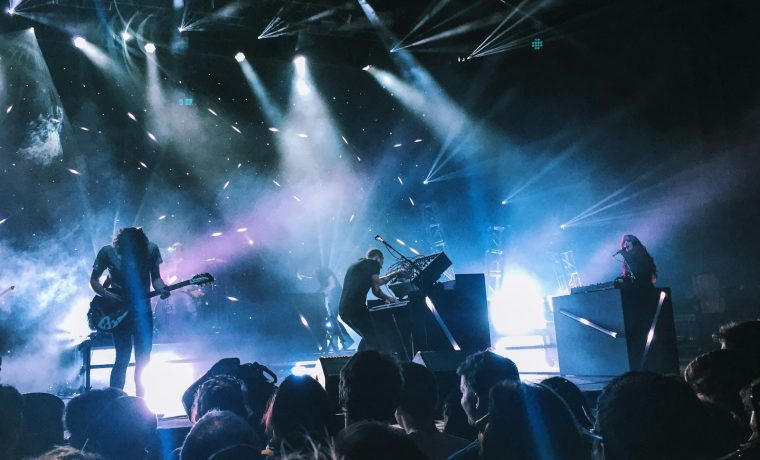
A memorable live show can make a music scene look effortless. A band walks on stage, the room fills with sound and the audience carries the energy into the night. Behind that moment is a network of people whose work is less visible: promoters, venue staff, sound engineers, photographers, volunteers, independent labels and the listeners who return week after week. Their combined effort is what allows a scene to develop beyond a handful of performances.
Small venues are places to learn
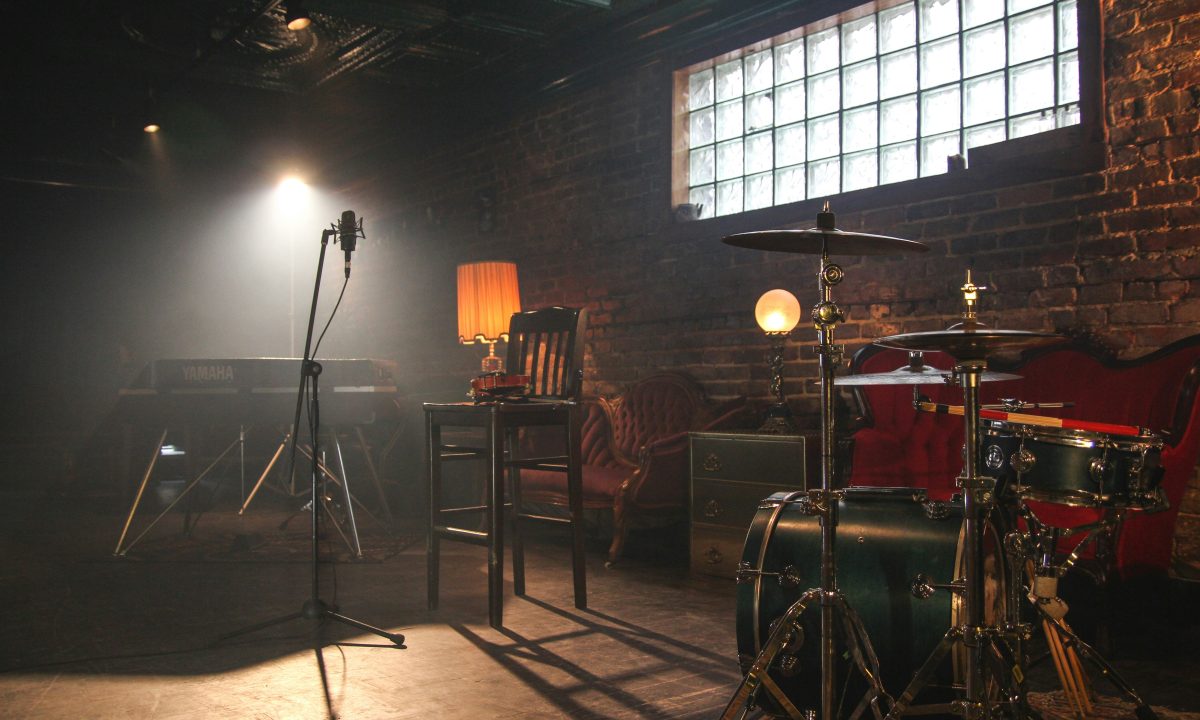
Independent venues give emerging artists a setting to test new material, build confidence and meet audiences. The room may be modest, but its role can be significant. Musicians learn how songs work in front of people, sound engineers develop relationships with performers and audiences discover acts before they reach larger stages.
These spaces also create a local identity. A venue’s programming, sound and atmosphere can influence what kinds of music are heard in a city. When a room supports different genres and encourages experimentation, it becomes more than a place to sell tickets; it becomes part of the scene’s creative infrastructure.
The people behind the performance
Live music depends on practical expertise. Engineers balance sound, stage managers keep a show moving, promoters coordinate schedules and venue teams manage safety and hospitality. Photographers and writers document the work, while independent radio and community media help new music travel beyond the room where it began.
Much of this labour is paid inconsistently or treated as invisible. A sustainable scene needs fair agreements, realistic schedules and clear communication. Exposure alone cannot replace wages, and goodwill should not be the only resource keeping cultural spaces open.
Discovery happens through relationships
Streaming services can introduce listeners to unfamiliar artists, but local recommendations add context. A friend explains why a band matters, a support slot reveals a new sound or a community radio host connects a release to a wider history. Discovery becomes more meaningful when people can ask questions and share their own responses.
Independent labels, record shops, collectives and small festivals help build these connections. They create pathways between artists and audiences, often across scenes that might otherwise remain separate. Their value lies not only in promotion but in the trust that develops through repeated support.
Access shapes who gets to participate
Ticket prices, transport, venue accessibility, event timings and safety all influence who can attend. A scene may describe itself as open while leaving out people who cannot afford entry or travel home late. Organisers can make a difference through transparent pricing, accessible information, safer event policies and partnerships with community groups.
Keeping a scene alive
Independent music does not survive on enthusiasm alone. It needs rooms to play in, people who know how to run them, audiences who show up and systems that value creative labour. Supporting a local scene might mean buying a ticket, sharing an artist’s release, paying for music or simply treating venue workers with respect.
The setlist is the visible part of a much larger story. When the people and places behind it are supported, a music scene can keep changing, welcoming new voices and creating the moments that bring audiences together.
Image: John Matychuk / Unsplash.