As the morning sun rises over thousands of nylon tents pitched across a sprawling field, a distinct soundscape begins to emerge. It is not the booming sub-bass of a main-stage sound system or the roar of a headlining crowd, but the rhythmic hiss of portable stoves, the zip of tent doors, and the collective chatter of tired yet exhilarated festivalgoers.
At multi-day music events around the world—from Glastonbury in the United Kingdom and Roskilde in Denmark to Bonnaroo and Coachella in the United States—the campground is far more than a place to crash for a few hours of fitful sleep. It functions as a temporary, self-governing metropolis. Complete with its own unwritten social contracts, informal micro-economies, and distinct subcultures, campsite life forms the true operational backbone of the multi-day festival experience.
Yet, for first-timers and seasoned veterans alike, spending three to five consecutive days living outdoors amidst tens of thousands of strangers presents a formidable physical and psychological challenge. The difference between a miserable weekend ruined by sleep deprivation, heat stroke, and waterlogged gear and a transformative, memory-making adventure comes down to understanding the mechanics of campsite culture and mastering the art of wilderness survival in a high-density environment.
The Social Architecture of the Temporary City
When tens of thousands of people descend upon an open field to set up camp, spatial organization happens organically within hours. Understanding how these temporary neighborhoods form is the first step toward a successful festival stay.
Campsites generally divide into distinct social zones. The areas closest to the main venue gates or central promenades offer maximum convenience but endure non-stop foot traffic, middle-of-the-night noise, and high light pollution. Conversely, campsites situated along the outer perimeters trade proximity for relative quiet, extra elbow room, and cleaner sanitation facilities.
Establishing your footprint within this social ecosystem requires an immediate understanding of unspoken campground etiquette:
Territorial Boundaries: Respecting guy-lines and walkways is essential. Setting up a tent so close to a neighbor that your doors touch or your stakes trip passing pedestrians breeds immediate friction. Leaving clear, shared pathways between camp setups preserves neighborly goodwill.
The High-Five Radius: Campsites operate on an elevated baseline of friendliness. Introducing yourself to immediate neighbors upon arrival establishes an informal security network; neighbors who know your face are far more likely to notice if an unfamiliar person is lingering around your gear later in the weekend.
Acoustic Courtesy: While multi-day events are celebrated for round-the-clock energy, personal campsite sound systems require situational awareness. Playing high-volume tracks at sunrise directly outside someone else’s sleeping quarters violates the implicit pact of communal endurance.
Shelter Engineering: Battling Heat, Rain, and Sleep Deprivation
The primary enemy of any festival camper is environmental exposure. Far more festivals are ruined by inadequate shelter than by bad line-ups or rainstorms.
The standard dome tent sold at big-box retailers is designed for basic weather protection, but it acts as a greenhouse when hit by direct morning sunlight. By 7:30 a.m., interior tent temperatures can easily top 100 degrees Fahrenheit (38 degrees Celsius), forcing exhausted attendees out into the open long before they have recovered from the night before.
Thriving at a multi-day event requires a multi-layered approach to shelter architecture:
1. The Canopy Microclimate
The single most valuable piece of equipment in a festival camp is a sturdy pop-up shade canopy (such as a 10×10 foot straight-leg canopy). Placing your tent entirely underneath a reflective shade canopy—or erecting the canopy over your central living area—creates a vital thermal barrier.
2. Ventilation and Shade Tarps
Using reflective aluminized shade cloths (often called shade nets or tarps) clipped to the outside of your canopy reflects infrared heat before it penetrates your sleeping space. Leaving tent windows unzipped while maintaining mesh screens ensures maximum airflow, preventing condensation buildup inside the tent during cool nights.
3. Ground Layering and Water Management
Heavy rain can turn a grassy field into a mud bath within minutes. A tarp placed beneath your tent protects the floor from moisture, but it must be tucked entirely under the tent footprint; if excess tarp extends past the tent walls, it will pool rainwater directly beneath your sleeping bag. Inside the tent, elevating bedding off the floor using cots or heavy-duty air mattresses adds an essential layer of insulation and water protection.
Hydration, Nutrition, and the Physics of Camp Cooking
Maintaining energy across a 72-to-96-hour physical marathon demands deliberate nutritional planning. Dehydration, low blood sugar, and systemic exhaustion are the leading causes of visits to festival medical tents.
Relying entirely on commercial vendor food is not only financially draining—with basic meal prices escalating year-over-year—but also logistically inefficient, as waiting in hour-long lines for every meal consumes valuable rest time. Successful campers balance vendor treats with a self-sufficient camp kitchen.
Cooler Management Science
Keeping perishables safe across multiple hot days is a game of thermodynamics. Packing two separate coolers is a proven strategy: one designated for high-frequency items (water, electrolyte drinks, quick snacks) and a second, heavily insulated cooler dedicated exclusively to sealed food items (pre-cooked proteins, cheese, produce).
Using solid block ice or frozen gallon water jugs lasts significantly longer than crushed bag ice, which melts within 24 hours. Layering dry ice at the very bottom of a secondary food cooler, separated by cardboard from fresh food, can keep items frozen well into day three.
High-Yield Fuel
Campground meals should prioritize protein, healthy fats, and complex carbohydrates that do not require elaborate preparation or extensive cleanup:
Pre-Cooked Cold Options: Hard-boiled eggs, pasta salads packed in airtight containers, cured meats, hummus, and dense grain bowls.
Minimal-Cleanup Hot Meals: Pre-portioned breakfast burritos wrapped in foil that can be warmed directly on a portable butane stove or camp grill.
Hydration Formulations: Drinking plain water is often insufficient when sweating for twelve hours straight in high heat. Packing single-serve electrolyte powders containing sodium, potassium, and magnesium restores cellular balance and prevents debilitating nighttime muscle cramps.
Sanitation Systems and the Hygiene Mindset
Navigating festival sanitation requires shifting expectations away from domestic luxury toward military-style field hygiene. Standard portable toilets (often called port-a-potties) servicing thousands of people will inevitably deteriorate over the course of a multi-day event. Fulfilling basic hygiene needs requires bringing your own self-contained kit and adhering to strict daily routines.
A fully equipped personal hygiene kit should include:
Item
Primary Function
Field Utility
Biodegradable Wet Wipes
Waterless full-body cleaning
Essential for mid-day refreshes when shower lines exceed two hours.
Hand Sanitizer & Liquid Soap
Infection prevention
Portable toilets routinely run out of soap and hand sanitizer by afternoon.
Headlamp with Red Light Mode
Nighttime sanitation navigation
Preserves night vision and keeps hands free inside dark portable toilets.
Quick-Dry Microfiber Towels
Efficient personal drying
Dries rapidly in sun, preventing mildew odors inside damp tents.
Camp Shower / Solar Bag
Off-grid personal washing
Allows for quick, queue-free rinses at your campsite during peak morning hours.
Developing a ritual around hygiene—such as performing a complete wipe-down and changing into fresh, dry socks immediately before going to sleep—prevents skin chafing, lowers body temperature, and significantly improves sleep quality.
Community Dynamics, Safety, and Securing Property
While the vast majority of festival attendees are driven by positive intentions, gathering tens of thousands of people in an open setting creates inevitable security vulnerabilities. Opportunistic theft remains a reality at large public events.
Protecting personal property relies on simple, low-tech habits:
Lock Your Valuables in Vehicles: Tents offer zero structural security; placing a padlock on a tent zipper simply signals to potential thieves that high-value items are hidden inside. Store passports, secondary cash, car keys, and high-end electronics inside a locked vehicle trunk out of public view.
Utilize On-Site Lockers: Most major festivals offer rentable lockers equipped with internal phone-charging ports. Stashing key items here eliminates the need to carry heavy backpacks into high-density stage crowds.
Establish a Camp Landmark: Navigating a sea of identical tents in the pitch dark after a twelve-hour day is notoriously difficult. Marking your campsite with a unique, illuminated battery-powered flag or high-visibility mascot pole (often called a “totem”) ensures you and your group can locate home base effortlessly.
Crucially, community support acts as the ultimate safety network. Participating in mutual aid—sharing extra water with a struggling neighbor, keeping eye contact during hot afternoons, and checking on anyone who looks distressed—builds a protective web across the campground.
The Leave-No-Trace Imperative
The growth of multi-day festival culture has brought increased environmental scrutiny regarding campground waste. In the UK alone, an estimated 875 tons of plastic waste is generated at music festivals annually, with thousands of cheap, single-use tents abandoned in fields at the end of every event.
Modern festival culture demands a transition toward radical environmental responsibility. Abandoning synthetic gear, plastic packaging, and cheap metal furniture under the assumption that cleanup crews will dispose of it damages local ecosystems and places the financial burden of waste management back onto local host communities.
A sustainable campsite strategy relies on three simple commitments:
Pack In, Pack Out: Purchase durable, high-quality camping equipment designed for years of use rather than cheap, single-use items intended for disposal.
Strip Packaging at Home: Unbox all new gear, food products, and supplies prior to departure, leaving plastic wrappings and cardboard boxes in domestic recycling bins rather than bringing them to the festival site.
The Final Sweep: Before leaving the field on the final morning, conduct a systematic grid-walk of your entire campsite footprint, picking up every micro-trash item, tent stake, and cigarette butt.
The Unforgettable Crucible of Camp Life
When the final encore finishes and the stage lights drop on the closing night, the true measure of a festival experience is rarely found in the videos saved on a smartphone screen. It is found back at the campsite—sitting around a portable lantern with friends, swapping stories of favorite sets, and sharing food with neighbors who were complete strangers just seventy-two hours earlier.
Living in a temporary canvas city strips away the domestic comforts of modern digital life, replacing them with a raw, communal experience built around shared endurance, physical music, and human connection. By preparing intelligently, respecting the environment, and embracing the unique social rules of the grounds, you transform simple outdoor survival into a thriving, unforgettable art form.
Why Short Videos Are Changing the Way New Music Becomes Popular
For decades, the path to a global hit was predictable. A major record label signed an artist, radio programmers picked the single, and high-budget music videos secured a spot on…
Why Music Festivals Are Becoming More Than Just Places to See Bands
Not long ago, buying a music festival ticket came down to a simple equation: How many of your favorite artists were listed on the poster? You bought the wristband, squeezed…

 Roland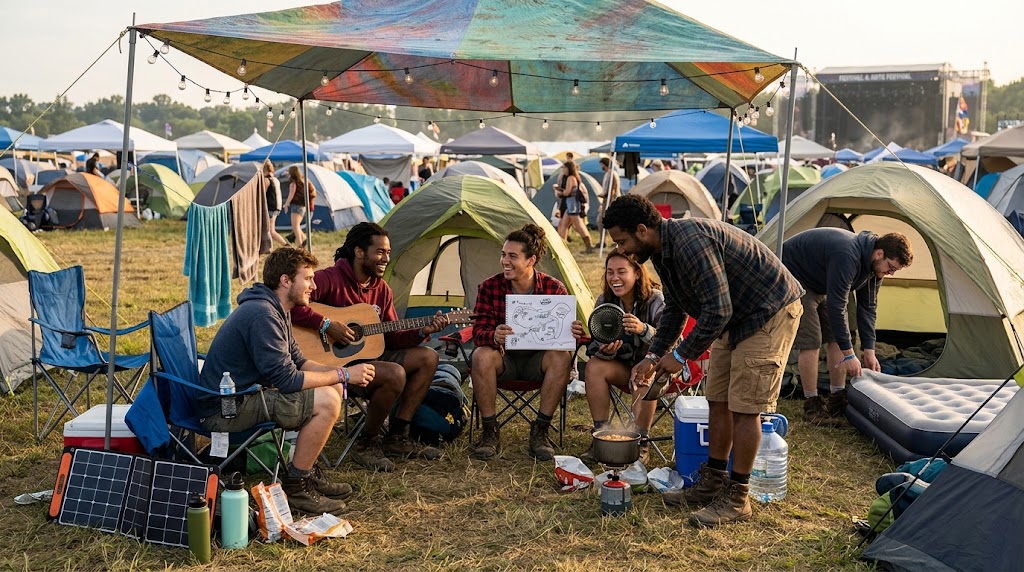


 admin
admin