Reading time: 5 minutes
Finding new music can feel effortless. A recommendation appears after a song ends, a friend shares a link or a short clip points towards an unfamiliar artist. Yet the most memorable discoveries often come with a story: someone explains why a record matters, a radio host connects it to an older sound, or a local promoter describes the scene around a performer. Music discovery becomes richer when it is shared.
Context turns a track into a conversation
A song can be enjoyed without knowing anything about its background. But context can deepen the experience. Learning about an artist’s influences, the conditions in which a record was made or the musicians who collaborated on it can reveal details that might otherwise pass unnoticed. Context does not dictate how a listener should feel. It gives them more ways to listen.
Music communities create this context through conversation. Independent radio, specialist publications, record shops, listening groups and live events all offer different routes into a sound. Their recommendations are shaped by people with particular interests and knowledge, which makes their point of view visible. Listeners can agree, disagree and follow their own curiosity.
Trust is built over time
A recommendation becomes valuable when people understand the person or community behind it. A friend who knows a listener’s taste may suggest something unexpected but relevant. A radio programme may build trust through consistent selection and thoughtful commentary. This is different from an anonymous feed that optimises for the next interaction.
Human recommendations are not perfect. They can be narrow, biased or shaped by limited access. The answer is not to treat any one curator as authoritative, but to seek a range of voices. Community discovery works best when it remains open to new participants and unfamiliar perspectives.
Local scenes connect listening to place
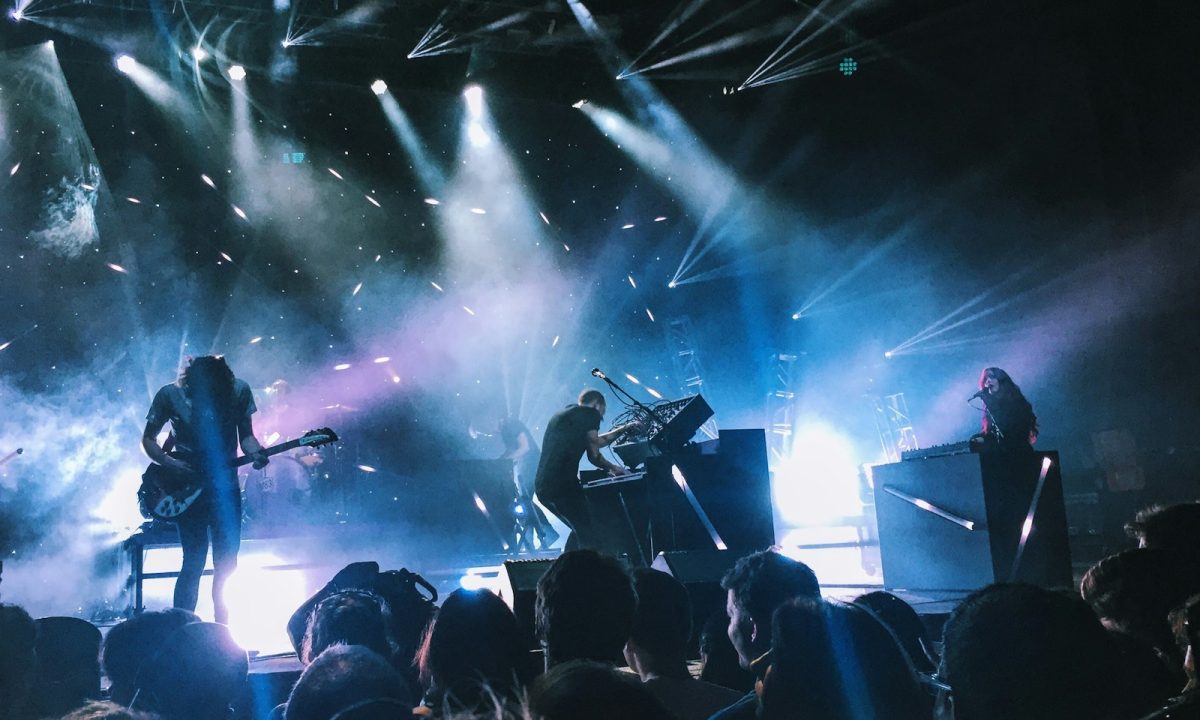
Live events and local music spaces give discovery a physical dimension. An audience can hear an artist before a release campaign reaches a wider public. They can meet collaborators, exchange recommendations and understand how a scene is developing. These encounters create memories that are difficult to reproduce through a stream alone.
Accessible events matter. Ticket prices, transport, venue safety and scheduling all influence who can participate. A community that wants to widen discovery needs to consider those conditions, not only the quality of its playlists.
Keeping curiosity alive
Algorithms can be useful tools, especially when they introduce listeners to music outside their usual habits. But curiosity is strengthened by conversation. A recommendation with a reason attached can open a path; a community can help that path continue through new records, performances and relationships.
Listening together does not require everyone to share the same taste. It requires a willingness to explain, exchange and remain open to surprise. That is how music discovery becomes more than a stream of content. It becomes part of a culture people make together.
Image: Matthew Kalapuch / Unsplash.