Reading time: 5 minutes
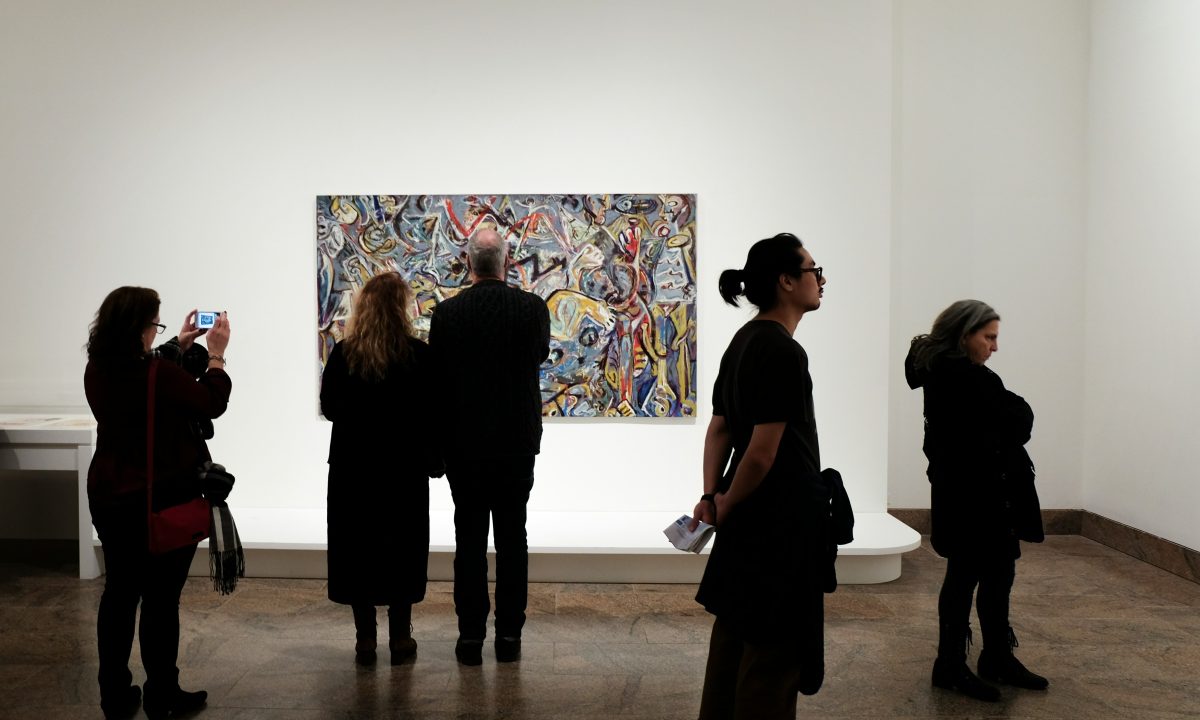
A gallery visit used to be imagined as a fairly simple exchange: a visitor enters, looks at the work and moves on. Many contemporary art spaces are challenging that model. They are creating reasons to stay longer, return more often and take part in the life around an exhibition. Workshops, reading rooms, talks, shared studios and participatory installations are changing what it means to encounter art in public.
From viewing to participation
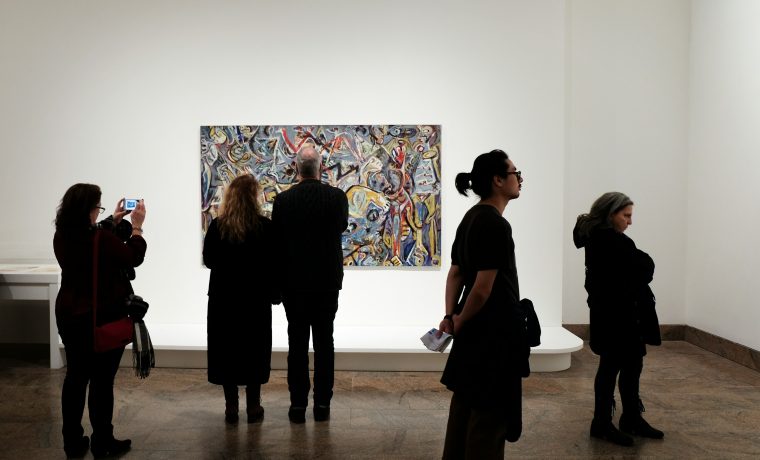
Participation does not mean that every artwork needs an interactive screen or an invitation to touch. It can be as simple as giving visitors enough context to form their own questions. A curator-led conversation, an artist’s notes or a quiet space to reflect can make an exhibition feel less like a test of specialist knowledge. The visitor becomes an active interpreter rather than someone expected to recognise the right references.
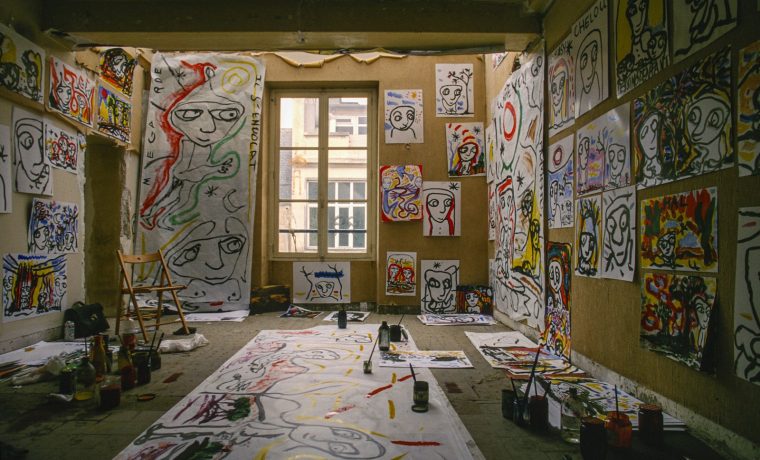
Some artists build participation directly into the work. They invite audiences to contribute stories, rearrange elements or observe a process as it develops. These approaches can make an exhibition feel alive, but they also require thoughtful design. Participation should be meaningful, accessible and clearly explained, not a novelty added to attract attention.
The value of staying longer
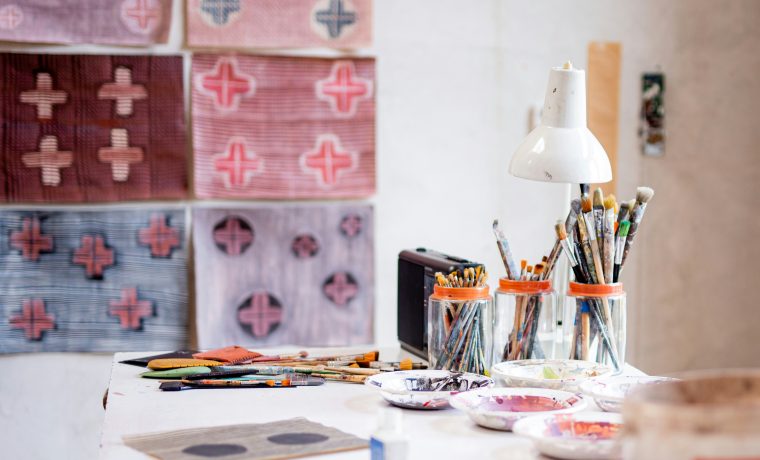
Spaces that encourage people to spend time can support slower forms of attention. A reading table may connect an artwork to its research. A screening programme can introduce a wider visual language. A workshop can reveal the labour and decisions behind a finished object. Each format offers a different route into the ideas on display.
There is also a practical benefit. When a gallery becomes a place to meet, learn or take a break, it can become part of a neighbourhood’s everyday cultural life. That role is especially important for independent spaces that want to reach people beyond established art audiences.
Access is part of the experience
Opening a space to more people involves more than a welcoming statement. Admission costs, transport, opening hours, physical access, language and the availability of clear information all shape who can visit. Free entry can help, but it does not solve every barrier. Listening to local communities and working with different partners can reveal what a space needs to change.
Digital access can extend an exhibition through online talks, accessible captions and well-made documentation. It should complement the physical experience rather than become a substitute for it. Not everyone can travel to a gallery, and not every encounter needs to happen in the same room.
A more generous idea of the gallery
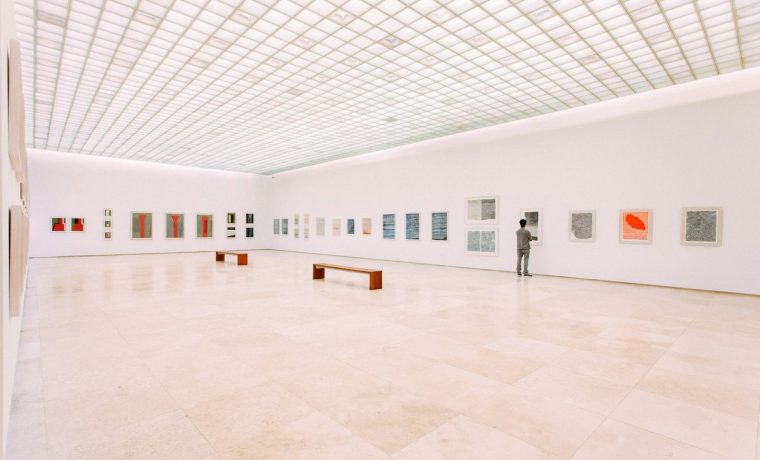
The strongest art spaces do not abandon looking; they give looking more room. They connect artworks to conversation, learning and shared experience while respecting the different ways people engage. In doing so, they make the gallery less intimidating and more useful as a public resource.
When visitors are given time, context and a genuine invitation to participate, an exhibition can become more than a collection of objects. It can become a place where ideas are encountered, tested and carried into everyday life.
Image: Jessica Pamp / Unsplash.