Reading time: 5 minutes
A public space can look impressive in a photograph and still feel uncomfortable to use. A broad plaza may offer little shade; a beautifully designed park may lack places to sit near a busy path; a waterfront may be technically open while feeling inaccessible to people who arrive on foot or by public transport. The social life of a place is not guaranteed by its appearance. It emerges from the small conditions that allow people to stay, meet and return.
Designing for ordinary encounters
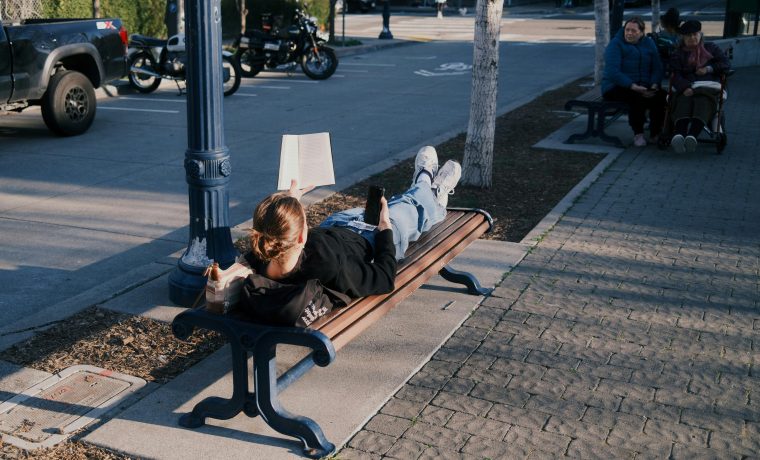
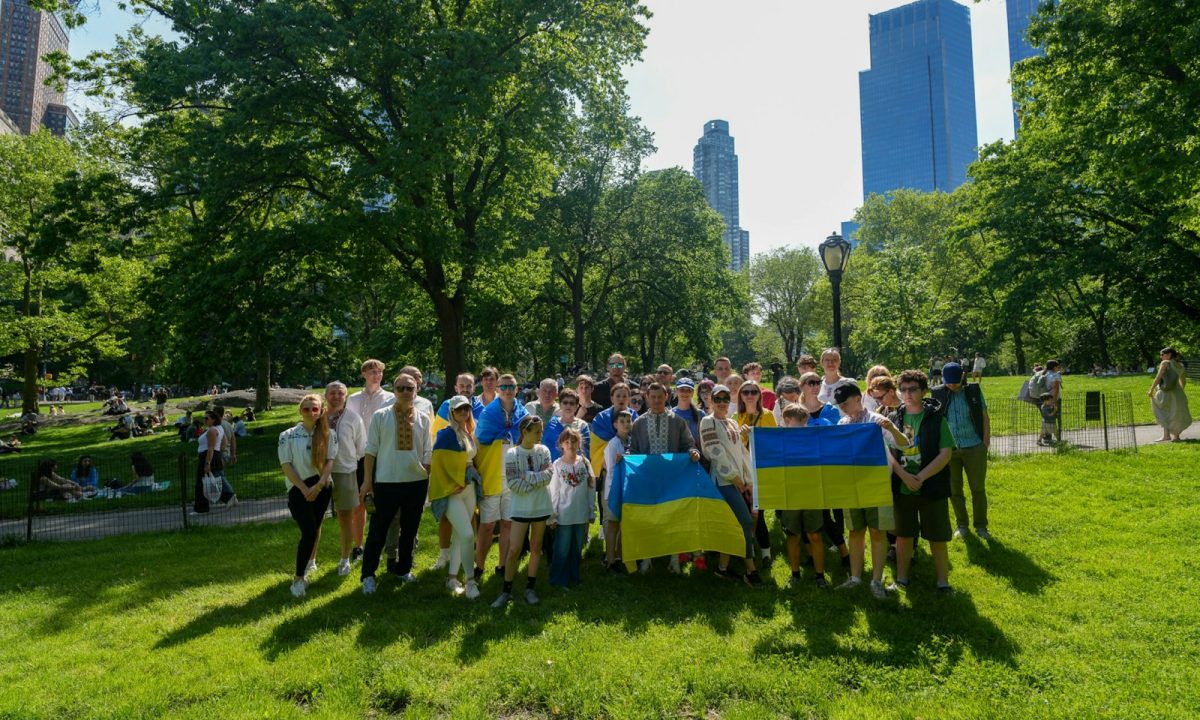
Public space supports a wide range of activities: resting, waiting, playing, walking, talking, watching and doing very little. These uses may seem minor compared with major events, but they are central to how people experience a city. A bench in the right location can make a route accessible to someone who needs to pause. A shaded edge can turn a hot walkway into a place to meet. A clear path can help different users share space without constant negotiation.
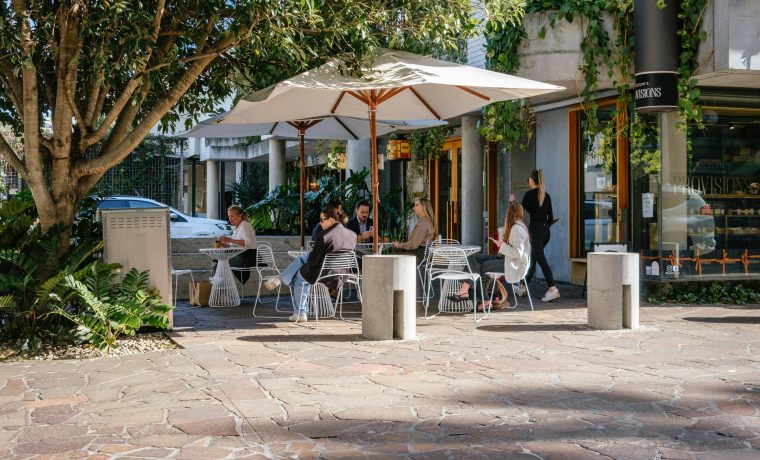
Good design pays attention to the details that make these encounters possible. Seating should offer choice, including places for individuals and groups. Lighting should support safety without making a space feel exposed. Toilets, drinking water, shade and maintenance are not decorative extras; they influence who can use a place and for how long.
Belonging is shaped by behaviour
People read public spaces through social cues. Who is welcomed to linger? Which activities are treated as acceptable? Are teenagers expected to move on, while shoppers are encouraged to stay? Are informal vendors seen as part of local life or as a problem to be removed? Rules are sometimes necessary, but they can also communicate whose presence is valued.
Inclusive public space does not mean that every activity can happen everywhere. It means that decisions are made transparently and that different groups are considered. Community involvement can help identify conflicts before they become entrenched. It can also reveal uses that planners may not have anticipated.
Programming without taking over
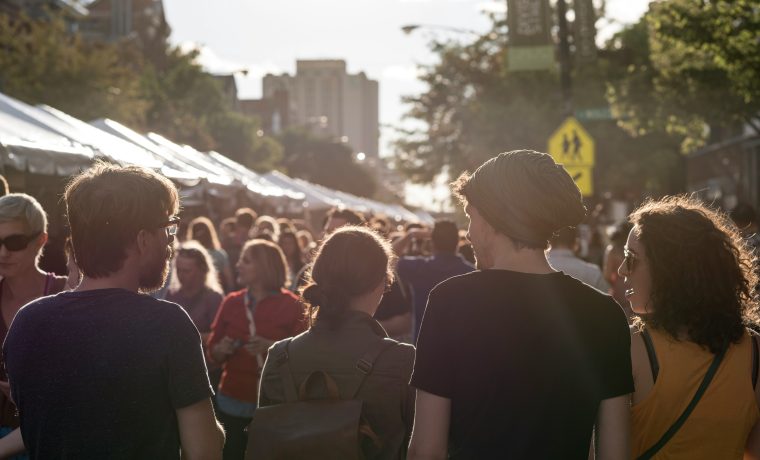
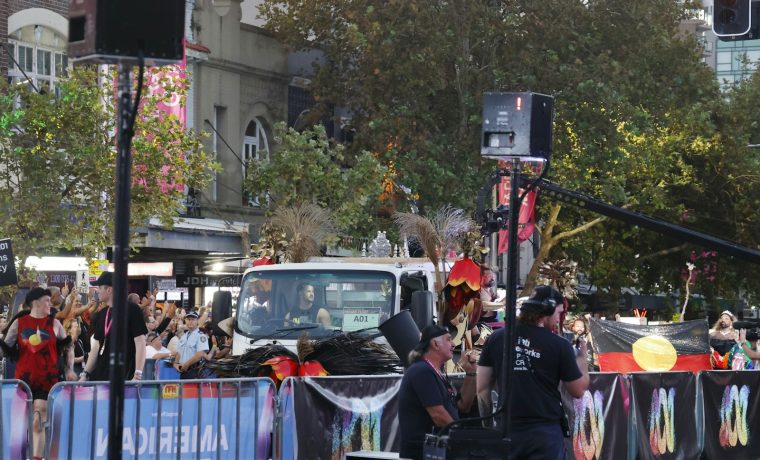
Markets, performances, outdoor screenings and community events can bring energy to a public place. Yet a calendar full of programmed activity is not a substitute for a space that works on an ordinary Tuesday. If every visit requires buying something or attending an event, the space is less public than it appears.
The strongest approach combines occasional programming with generous everyday access. Local organisations can contribute ideas, but they should not have to provide constant entertainment to justify their presence. Sometimes the most successful public space is one where nothing special is happening and people still choose to spend time there.
Measure the life, not just the design
Evaluation should look beyond construction costs and visitor totals. Observing how different people use a space, at different times and in different weather, can reveal whether it supports daily life. Feedback should include people who may not attend formal consultations, and maintenance should be treated as part of the design process rather than an afterthought.
Public space matters because it gives strangers a chance to share a place without needing a reason to meet. Those small encounters can build familiarity and trust. A city becomes more liveable not only through spectacular architecture, but through the ordinary spaces that make room for people to be together.
Image: Olek Buzunov / Unsplash.