Reading time: 5 minutes
A meal is often judged by what arrives on the plate, but the experience begins much earlier. Guests notice the entrance, the welcome, the sound of the room and the way a table is arranged. They may not consciously register each detail, yet these elements influence whether a restaurant feels relaxed, formal, hurried or generous. Atmosphere is not a decorative layer added after the food. It is part of how hospitality is delivered.
The room sets expectations
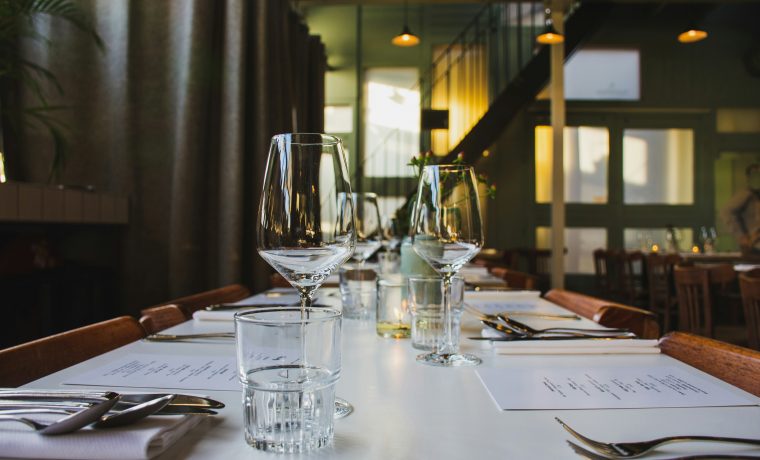
Lighting changes how a space feels and how food appears. Bright, even light can support a casual daytime service, while softer lighting may encourage a slower evening. Sound is equally important. A room that is too loud can make conversation difficult; a room that is completely silent may feel uncomfortable for a lively gathering. The aim is not one perfect atmosphere, but a setting that supports the kind of experience the restaurant wants to offer.
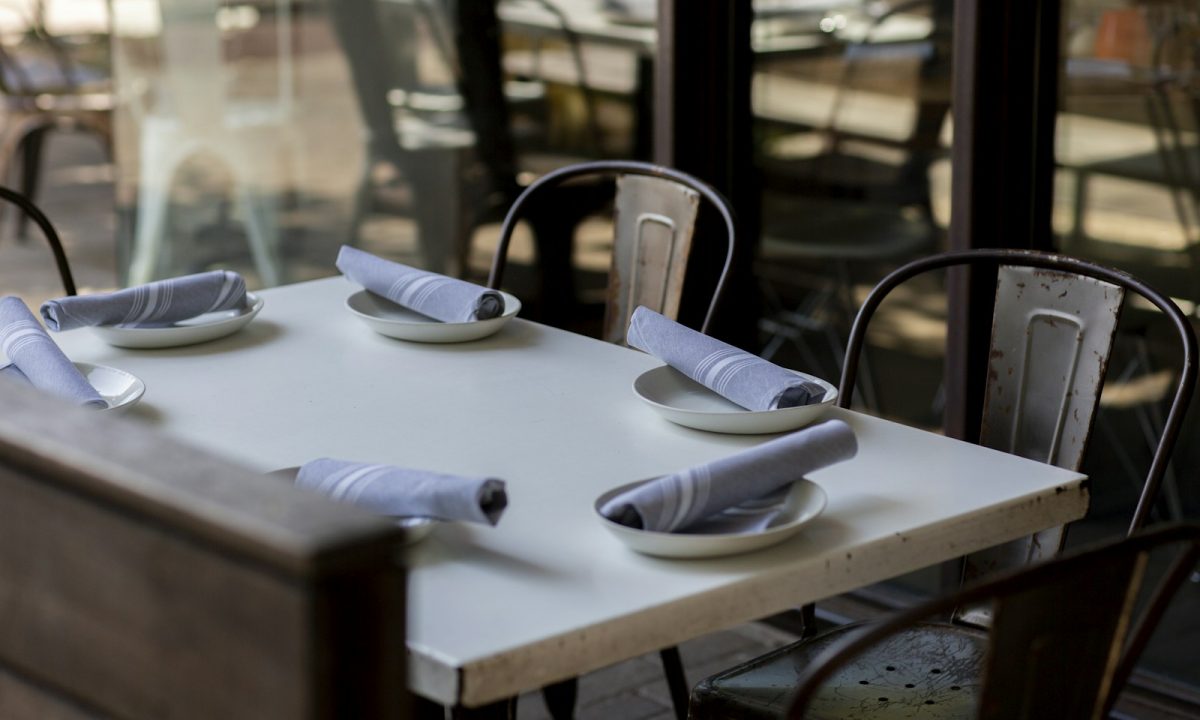
Furniture and circulation matter too. Guests need enough room to move, staff need clear routes and tables should offer a degree of privacy without isolating people. A beautiful room that is difficult to use will eventually feel less welcoming.
Service is a sequence of small signals
Hospitality is communicated through timing and attention. A greeting that feels genuine, a menu explained without pressure and a check-in made at the right moment can create confidence. The same actions can feel intrusive if they are poorly timed. Good service is not simply friendliness; it is an ability to read what a guest needs while respecting their space.
Consistency depends on working conditions. Staff need clear information, realistic staffing levels and the authority to solve ordinary problems. A restaurant cannot promise thoughtful service while ignoring the conditions required to provide it. The atmosphere experienced by guests is connected to the atmosphere experienced by workers.
Design should support the menu
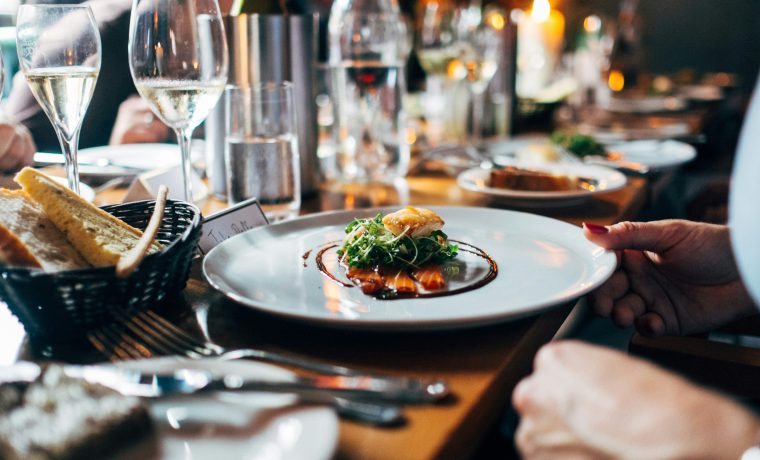
A restaurant’s visual identity can help communicate its approach to food. Materials, tableware, signage and menu design can reinforce a sense of place. But design becomes more effective when it supports the practical needs of service. Plates should suit the dishes, menus should be easy to read and decorative choices should not create unnecessary work for staff.
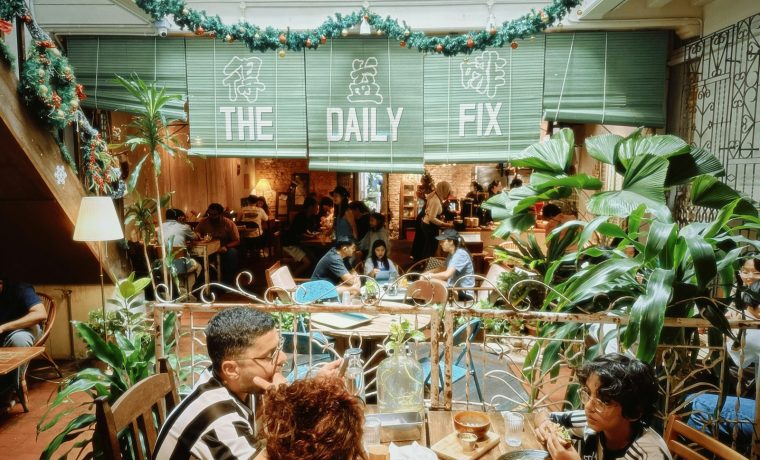
Local references can add meaning when they are used with understanding. A restaurant may draw on regional materials, craft traditions or neighbourhood history, but these references should be more than surface decoration. Relationships with local makers and suppliers can create a more grounded connection.
Remembering the whole experience
Guests may forget a particular detail of a dish, but remember how a place made them feel. They remember whether conversation was easy, whether they were treated with care and whether the room invited them to stay. Those memories are built through the interaction of food, space and people.
A restaurant’s atmosphere is therefore a shared achievement. Designers, cooks, service teams and owners all shape it. When those parts work together, hospitality feels less like a performance and more like a genuine welcome.
Image: Drew Beamer / Unsplash.