Reading time: 5 minutes
Neighbourhood identity is often described through a handful of recognisable signs: a market, a music venue, a row of independent shops or a particular architectural style. These features can help people understand a place, but they do not tell the whole story. A neighbourhood is also shaped by routines that rarely appear in promotional material: where people meet after work, which routes feel safe, who looks after a shared space and how long-standing residents remember its changes.
Identity is made through use
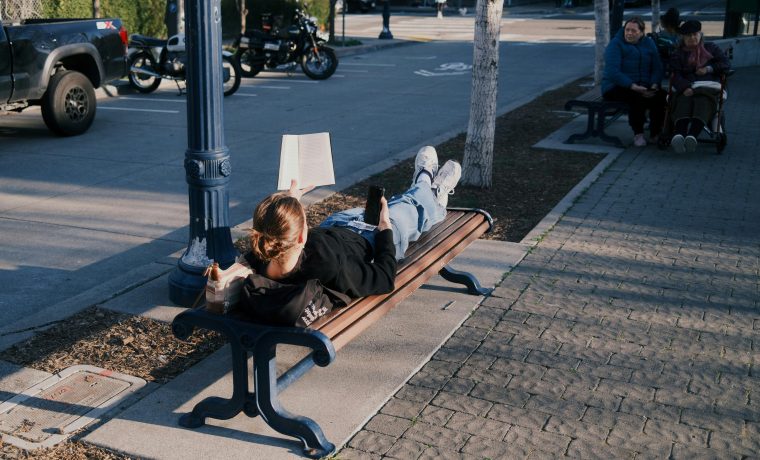
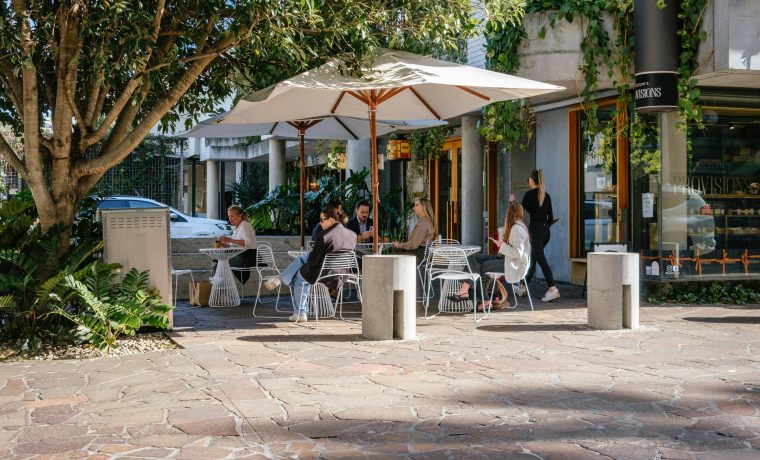
Places acquire meaning through repeated activity. A small square becomes important because people pause there; a shop becomes a landmark because generations have used it; a street gains character through the mix of languages, businesses and informal encounters that take place along it. These meanings are not always planned. They develop through relationships between people and the spaces they inhabit.
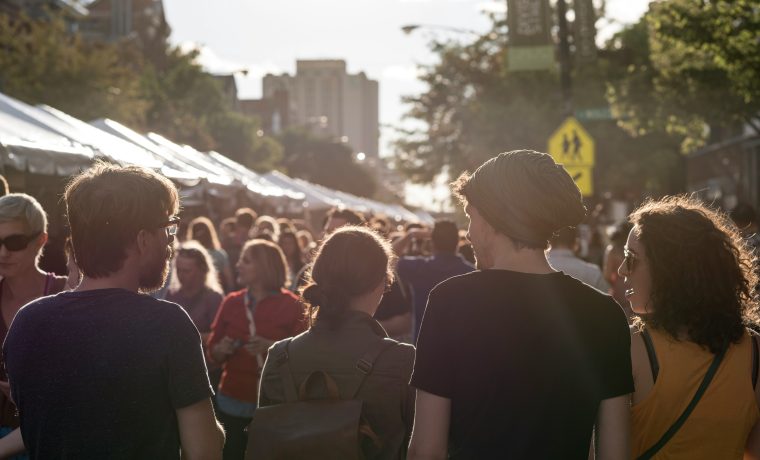
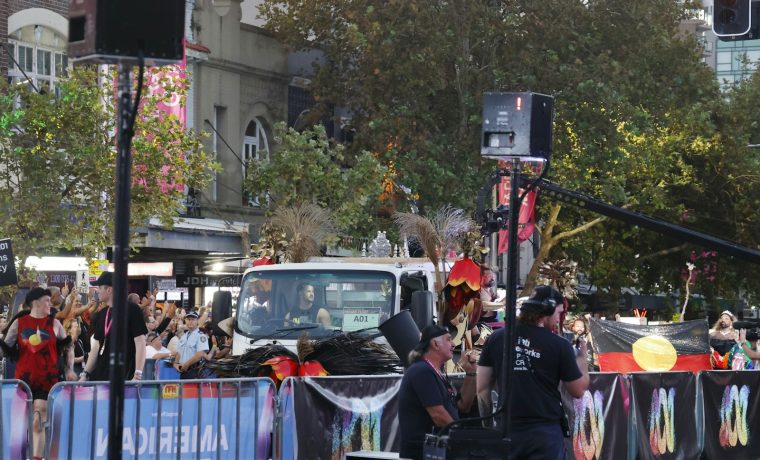
That is why cultural identity cannot be manufactured through visual branding alone. A new logo or a themed street festival may create recognition, but it cannot replace the trust built through daily use. When local identity is treated as a marketing asset, there is a risk that the people who created it become secondary to the image being sold.
Visibility and displacement
Recognition can bring opportunities. Independent businesses may attract customers, cultural organisations may find partners and neglected spaces may receive investment. But attention can also raise rents and change who can afford to remain. A neighbourhood celebrated for its creative character may become less accessible to the artists, workers and residents who helped shape that character.
This tension is not an argument against change. Places are never static, and investment can improve infrastructure and public life. The question is whether people who already belong to a neighbourhood have a meaningful role in decisions about its future. Consultation after plans are complete is not the same as shared influence from the beginning.
Listening beyond the loudest voices
Public conversations about place can overrepresent property owners, established institutions and people with the time to attend formal meetings. Renters, shift workers, young people, migrants and informal traders may have different schedules and different ways of expressing what matters to them. Listening well means creating several routes for participation and recognising that local knowledge is not limited to professional expertise.
Small interventions can help: accessible meetings, translated information, youth-led mapping, neighbourhood archives and long-term partnerships with local groups. These methods take time, but they can reveal what a conventional consultation misses.
A living identity
A strong neighbourhood identity should be able to change without erasing its memory. It can welcome new residents and businesses while protecting the everyday conditions that make local life possible. That requires more than celebrating a place’s atmosphere. It requires attention to housing, public space, affordable workspaces and the services that support residents.
The most convincing cultural identity is not a slogan. It is a relationship between people and place, renewed through ordinary acts of care. The challenge is to make sure that the people who give a neighbourhood its character are also able to share in its future.
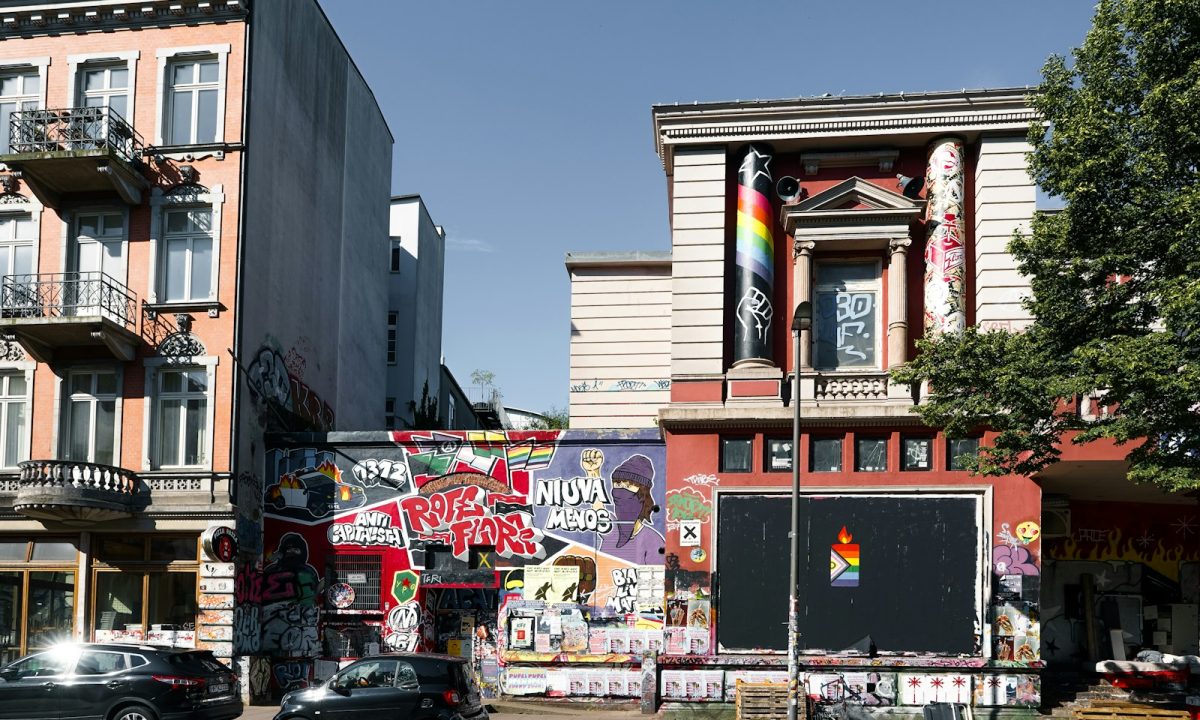
Image: Wolfgang Weiser / Unsplash.