Reading time: 5 minutes
Contemporary art is often introduced through finished objects: the painting on the wall, the sculpture under a spotlight, the photograph carefully framed. Yet the most revealing part of artistic practice may be the uncertain stretch before a work settles into its final form. In studios, shared workshops and temporary project spaces, ideas are tested, abandoned, revised and sometimes allowed to remain unresolved. That process is not a weakness in the work. It is frequently where its energy begins.
The value of a visible process
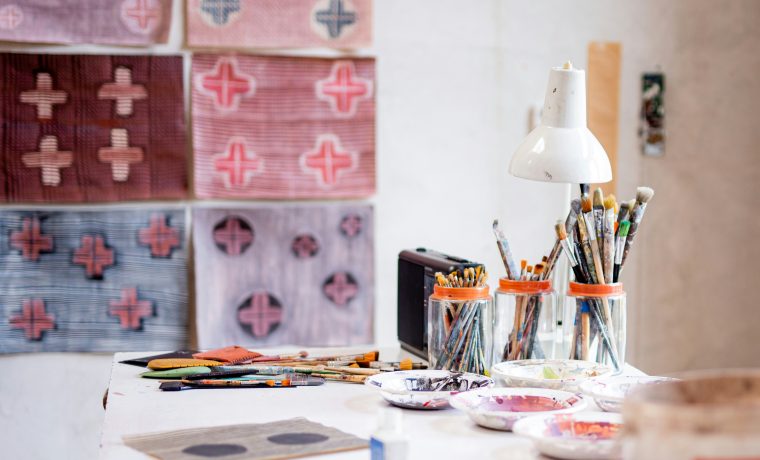
Audiences are accustomed to seeing the polished result, but a growing interest in process-led exhibitions suggests that viewers also want to understand how decisions are made. Sketches, material tests, notes and discarded experiments can make an artwork feel less like an untouchable object and more like an invitation to think. They reveal that creative confidence is rarely the same as certainty. Artists move forward by responding to what materials, collaborators and circumstances make possible.
Showing process does not mean turning every exhibition into a studio diary. It means choosing details that help people read the work. A small sequence of photographs can explain a transformation that a wall label cannot. A model or failed prototype can make a spatial idea easier to grasp. When these elements are presented with care, they deepen the encounter rather than distract from it.
Institutions can make room for risk
Museums and galleries often operate under practical pressure: budgets, schedules, conservation requirements and expectations that an exhibition should feel complete. Those pressures are real, but they can make experimentation difficult to present. Residencies, open studios and research-based commissions offer another rhythm. They allow institutions to support questions before those questions have become easily marketable answers.
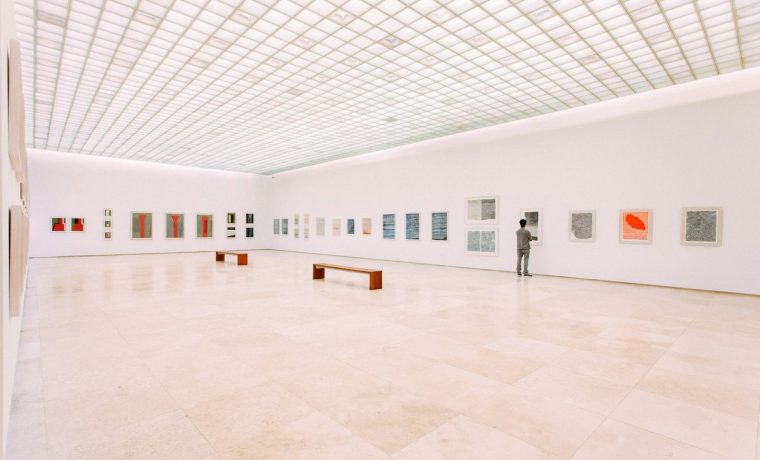
For smaller spaces, this approach can be especially meaningful. A modest programme that gives an artist time, technical access and a thoughtful audience may create more lasting value than a crowded calendar of polished events. It can also make the institution feel connected to the living conditions of creative work rather than only its final products.
Viewers are collaborators in interpretation
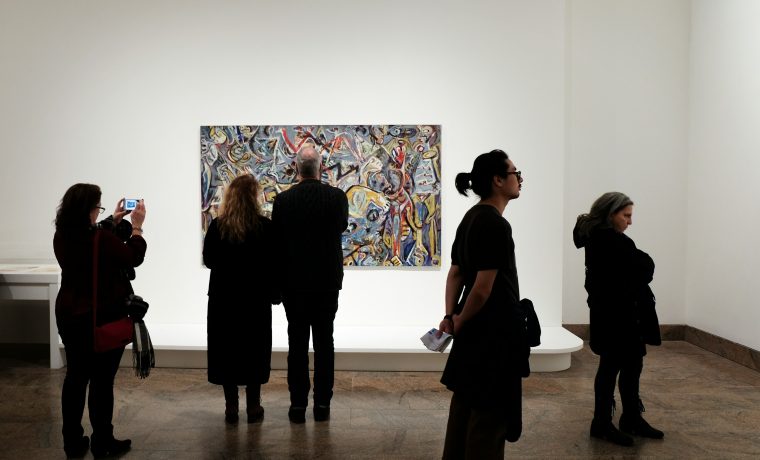
An unfinished idea asks something different of its audience. Instead of searching for a single explanation, visitors can notice tensions, compare possibilities and bring their own experiences to the work. This does not remove the artist’s intention; it recognises that meaning is made through an encounter between the work and the person looking at it.
There is a useful distinction between work that is deliberately open and work that is simply underdeveloped. Openness has structure: choices have been made, relationships are present and the viewer has something to follow. The point is not to celebrate incompletion for its own sake, but to recognise that a work can remain alive to change.
A culture that values becoming
Creative scenes become stronger when they value research, rehearsal and failure alongside finished outcomes. That means supporting affordable workspaces, patient commissioning and documentation that respects experimentation. It also means speaking about art in ways that do not reduce every project to a trend or a verdict.
The unfinished is not the opposite of the accomplished. It is often the condition that makes accomplishment possible. By giving ideas room to develop in public, contemporary art can invite audiences into a richer conversation about how culture is made.
Image: Alina Grubnyak / Unsplash.