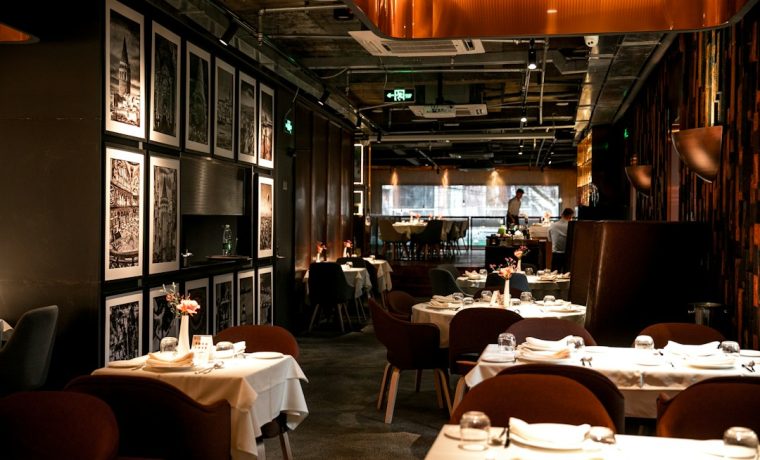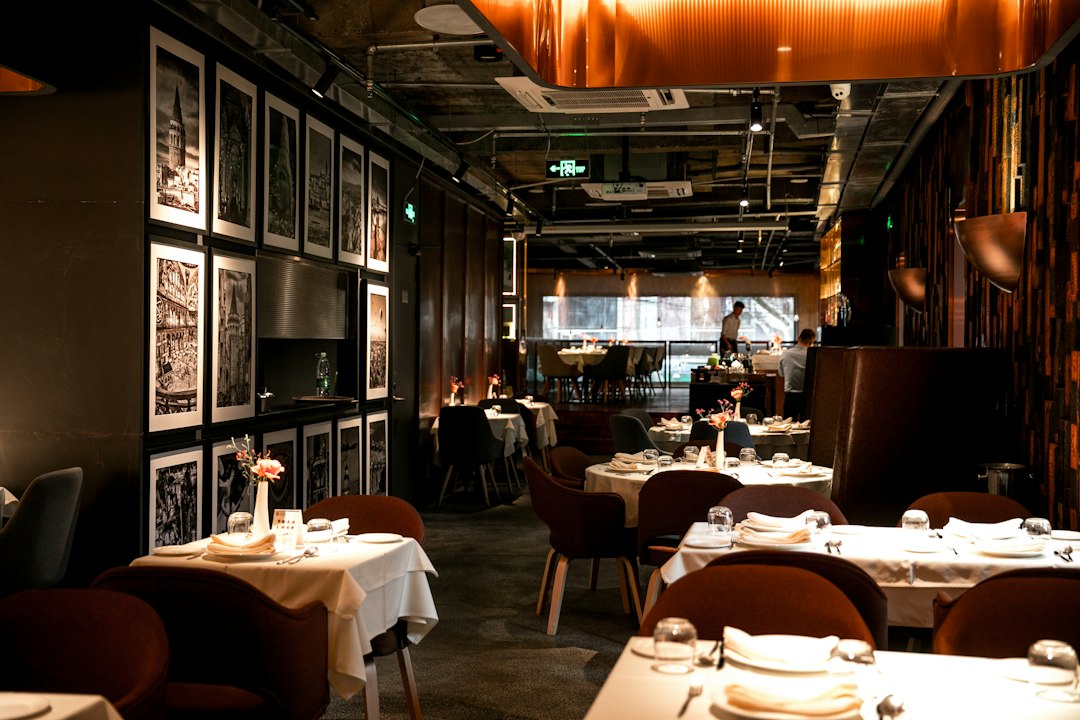
Hospitality is built on human interaction, yet the sector often overlooks the conditions workers need to deliver thoughtful service consistently.
The setting and its people
Hospitality is frequently described as an experience, but that experience is produced by people working under real constraints. Servers, cooks, cleaners, hosts and managers coordinate tasks that require skill, patience and attention. When schedules are unpredictable or staffing is inadequate, the quality of service and the wellbeing of workers both suffer.
The work behind the experience
Good working conditions are not separate from good hospitality. Fair pay, clear responsibilities, safe equipment, realistic shifts and respectful management help teams work with confidence. Training also matters: workers need time to learn menus, understand safety procedures and develop the judgement required to respond to guests.
Culture, access and responsibility
Businesses face financial pressure, especially when costs rise and demand fluctuates. Yet treating labour as the easiest expense to reduce can create a cycle of turnover and inconsistency. Better planning, transparent service charges and thoughtful scheduling can help distribute pressure more fairly. Customers can support this shift by respecting staff and understanding the work behind a meal.
A more sustainable way forward
The future of hospitality should be measured not only by the guest experience but also by the conditions of the people creating it. A welcoming room begins with a workplace where workers are valued. That principle is as important to a small cafe as it is to a large hotel.
Subculture Magazine — independent perspectives on contemporary culture.