Independent galleries and artist-run rooms offer more than exhibition space: they create the conditions for experimentation, community and a slower kind of cultural attention.
The value of a room without a formula
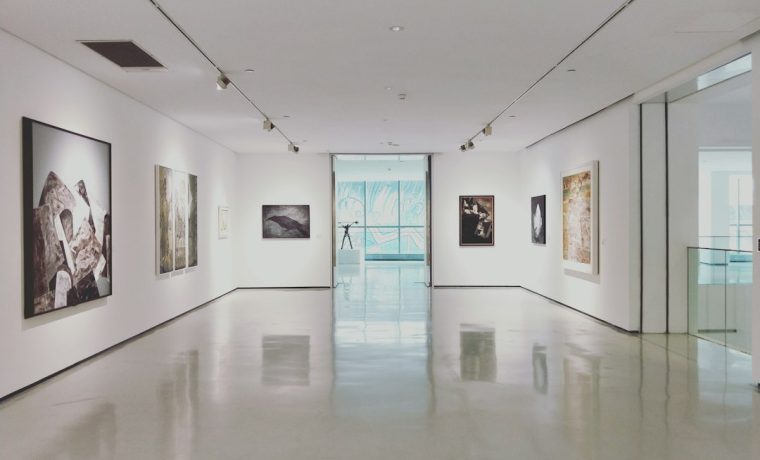
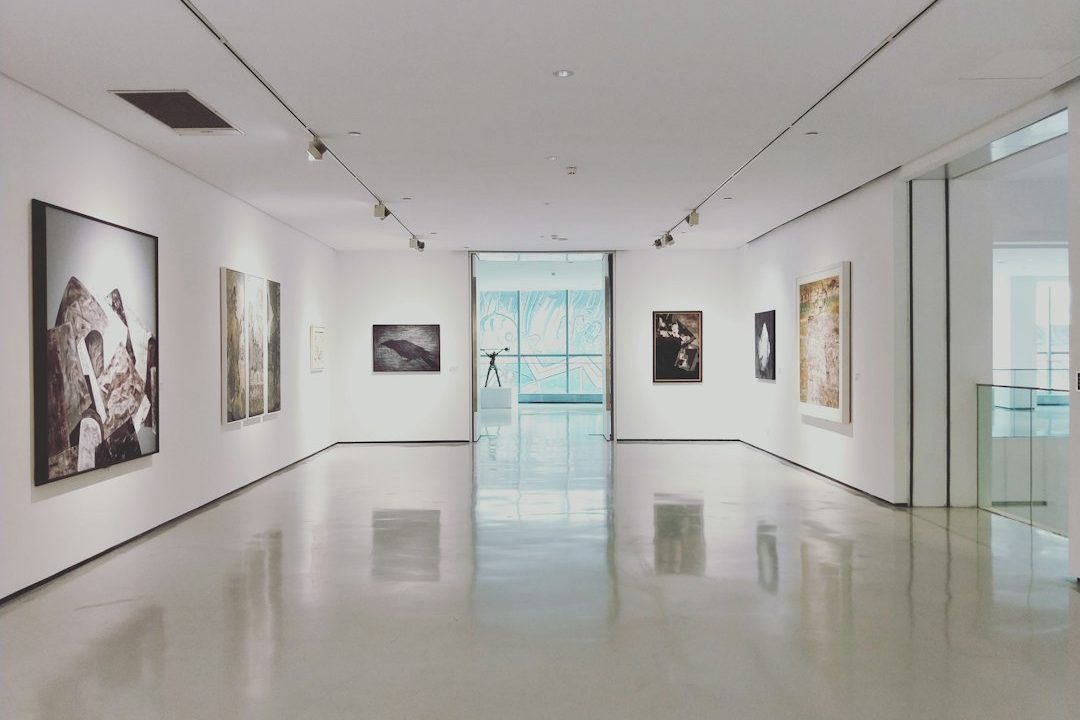
A small gallery rarely has the resources or institutional weight of a major museum. Its advantage is different: it can take a chance. Artist-run spaces make room for unfinished ideas, unfamiliar voices and work that does not arrive with a ready-made market. Their scale encourages conversation rather than spectacle, and visitors often encounter the artist, curator or organiser as part of the experience. In cities where rents rise and cultural districts become branded destinations, that intimacy is not a minor detail. It is a form of cultural infrastructure.
Experimentation needs breathing room
The most interesting work is not always immediately legible. A sound installation may ask visitors to stay longer than they planned; a photography show might challenge the assumptions behind its own images; a collaborative project may change as the audience enters the room. Independent spaces can support these uncertain processes because their programmes are often shaped by relationships and curiosity rather than blockbuster expectations. This does not mean every small exhibition is radical. It means there is room to test an idea before its value is obvious.
Community is built through repetition
A cultural space becomes meaningful through repeated encounters. People return for openings, workshops, informal talks and the simple possibility of seeing someone they know. Over time, a gallery can connect artists with neighbours, students with practitioners and audiences with work they might never have searched for online. That network is difficult to measure through visitor numbers alone. It is visible in collaborations that continue after an exhibition closes, in skills shared between generations and in the confidence people gain to make things themselves.
The economics behind the atmosphere
The relaxed feeling of an artist-run room can conceal a fragile financial model. Many spaces depend on unpaid labour, short-term grants, borrowed equipment or organisers who combine cultural work with other jobs. The result is a paradox: cities celebrate creative scenes while the people maintaining them struggle to afford the places where those scenes gather. Sustainable support means more than one-off project funding. It includes affordable leases, transparent fees, accessible facilities and recognition of the administrative work that makes exhibitions possible.
A future based on connection
Independent art spaces do not need to imitate museums to matter. Their contribution is often local, experimental and deliberately modest. A healthier cultural ecosystem would allow small organisations to collaborate with larger institutions without losing their independence, and would treat audiences as participants rather than consumers. For visitors, supporting these spaces can be as simple as attending a show, sharing an artist’s work or asking how a programme is made possible. The room may be small; the relationships formed inside it can travel much further.
What audiences can do to keep these spaces open
Supporting independent spaces is most effective when it becomes a habit rather than a symbolic gesture. Visitors can attend events beyond the most publicised openings, buy work when they are able and share information about access, transport and programming. Local businesses can offer practical partnerships, while schools and libraries can connect younger audiences with artists working nearby. These relationships help cultural spaces reach people who may not already see themselves as gallery visitors.
It is also worth asking institutions and local authorities how they support the conditions that make independent culture possible. Affordable leases, accessible entrances, paid opportunities and transparent decision-making are not glamorous additions to an exhibition, but they determine who gets to make and experience art. A city that values creative work should make it possible for artists and organisers to remain in the neighbourhoods where their ideas take shape.
Subculture Magazine explores the ideas, people and places shaping contemporary culture.