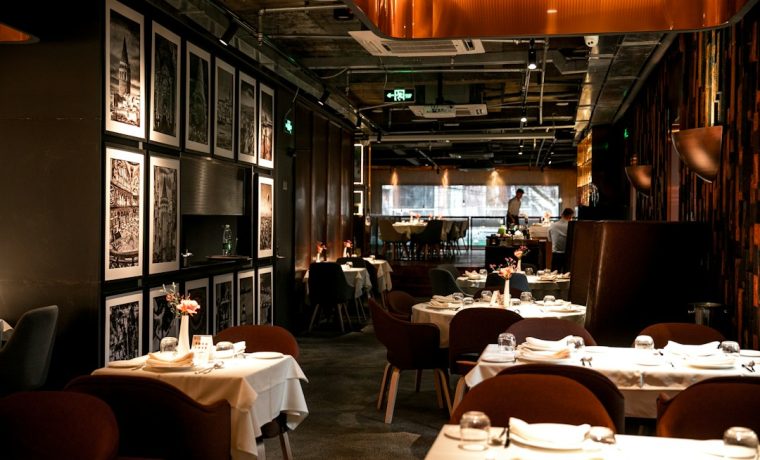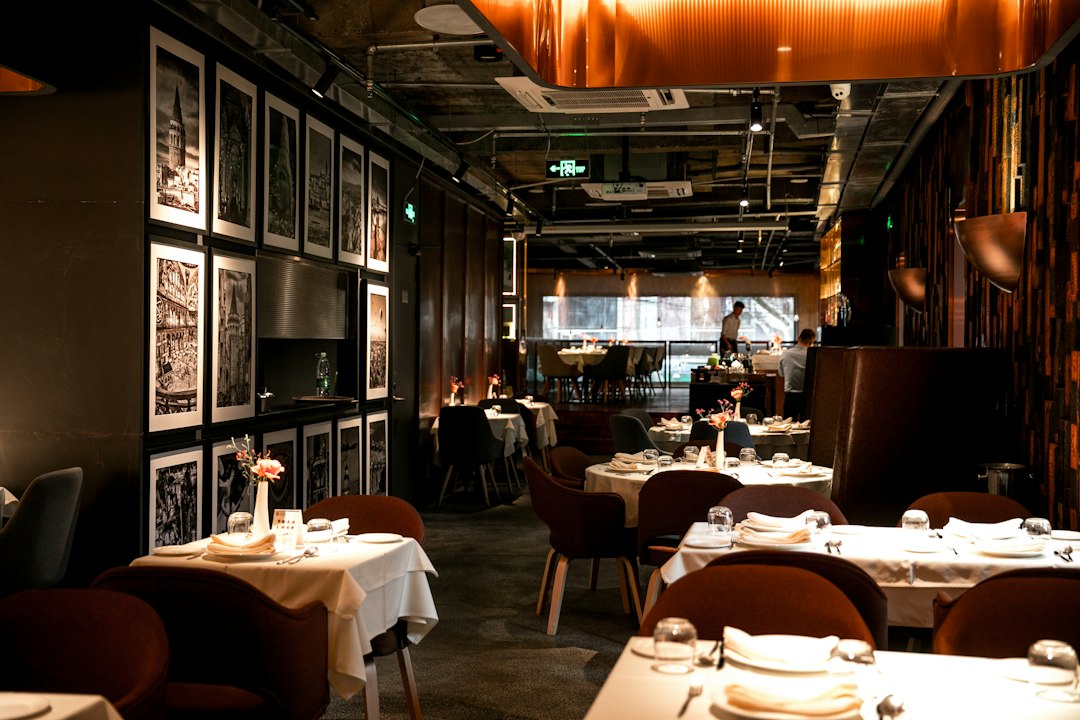
Food carries family histories, migration stories and personal rituals. Understanding food culture means paying attention to the memories that gather around a dish.
The setting and its people
A familiar flavour can return someone to a particular kitchen, season or person. Recipes are often passed along through gestures rather than precise measurements: a pinch of spice, a preferred texture or the moment when a pan looks ready. These details make food a form of memory that is learned through repetition and shared experience.
The work behind the experience
Migration changes recipes without necessarily erasing their roots. Ingredients become harder to find, local produce introduces new possibilities and cooks adapt techniques to the tools available. The result is not always a compromise. It can become a new expression of a food tradition, shaped by the places people make home.
Culture, access and responsibility
Restaurants and food writers influence which dishes become visible, but they do not own the full story. Giving context to a dish means recognising the communities and labour behind it. It also means avoiding the idea that a cuisine is fixed or that one version represents everyone who shares its name.
A more sustainable way forward
Food culture remains alive because people continue to cook, adapt and share. A recipe can preserve a memory while changing with each generation. The table becomes a place where history is tasted, discussed and made new.
Subculture Magazine — independent perspectives on contemporary culture.