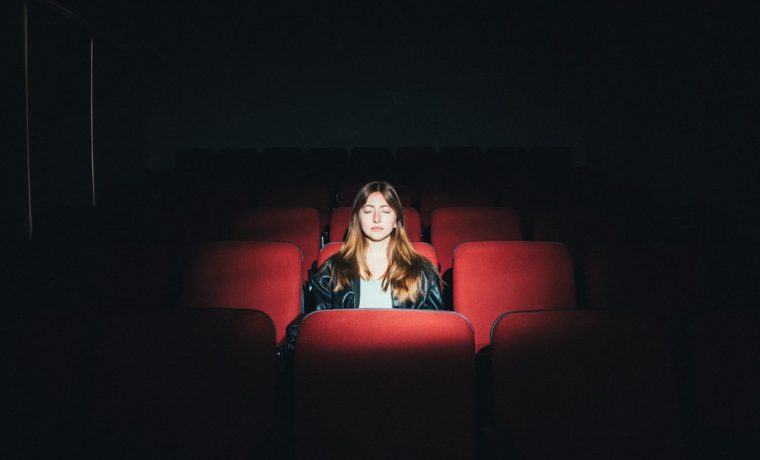
On-demand platforms have made screen culture more accessible while changing the rhythms of attention, conversation and film discovery.
A question of perspective
Streaming has removed many barriers between a viewer and a title. Films can travel across borders, older works can find new audiences and people can watch on their own schedules. That convenience is significant. It has also changed the sense of occasion that once surrounded a cinema visit or a scheduled television broadcast.
Craft and context
The abundance of choice creates a different problem: visibility. A catalogue may contain thousands of titles, but viewers often encounter a narrow selection shaped by recommendations, promotion and familiar categories. Discovery can become repetitive when systems learn only from what a person has already watched.
The audience completes the work
Shared conversation has shifted too. Some audiences watch a series in a weekend, while others spread episodes over weeks. The common cultural moment is less predictable, and the pace of discussion can be fragmented. Yet online communities also create new forms of conversation, bringing viewers together around niche genres and international work.
What remains after the credits
The question is not whether streaming is good or bad. It is how viewers, platforms and cultural institutions can protect curiosity within a convenient system. Human curation, accessible archives, thoughtful criticism and theatrical experiences all help widen the field. What we value depends partly on what we are given the chance to find.
Subculture Magazine — independent perspectives on contemporary culture.