Reading time: 5 minutes
Music discovery has become easier to automate. A listener can move from one track to another through recommendations, mood playlists and short clips. These tools can introduce artists to people who might never encounter them otherwise. But discovering a song is not the same as supporting the scene that made it. Independent music depends on a network of people and places that help artists develop beyond a single moment of attention.
Scenes are built locally
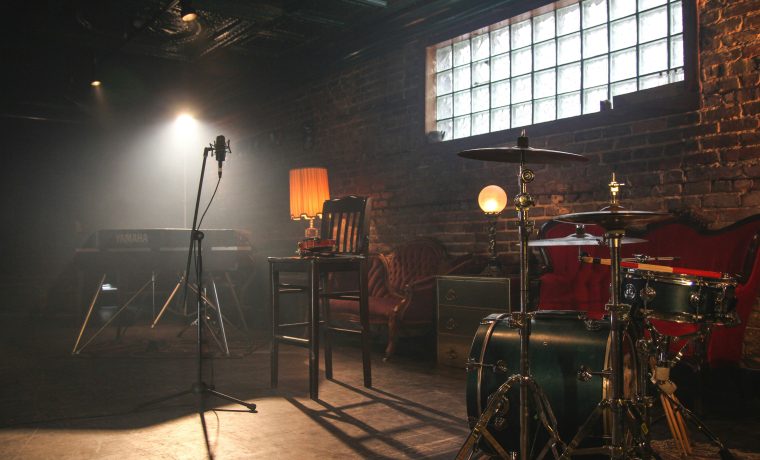
Small venues, rehearsal rooms, record shops, community radio and informal collectives create opportunities for artists to meet audiences and one another. These spaces help musicians test material, learn how to perform and build relationships with promoters, engineers and collaborators. A scene is not simply a list of artists from one city. It is a network of repeated encounters and shared resources.
When venues disappear, the effect reaches beyond the loss of a room. Emerging musicians lose a place to develop; audiences lose an affordable way to encounter unfamiliar work; local technicians and organisers lose paid opportunities. Cultural policy and planning decisions therefore matter to music scenes, even when they are not framed as music policy.
Discovery needs a pathway
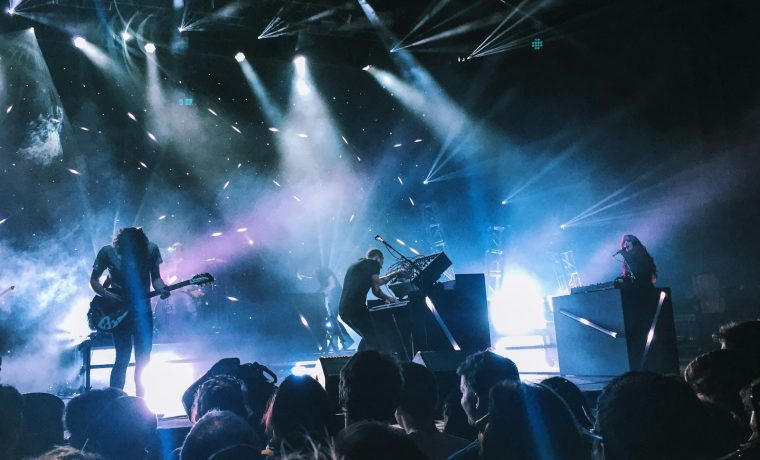
A playlist can create an introduction, but listeners need ways to go further. Live shows, interviews, independent publications and community radio provide context around an artist’s work. They can explain influences, introduce collaborators and help audiences understand why a particular sound matters.
Platforms should not be expected to carry every responsibility. Artists and independent labels can use direct channels to communicate with listeners, while venues and local organisations can create opportunities for people to meet in person. The goal is not to reject digital discovery, but to connect it with a wider cultural ecosystem.
Fair conditions support experimentation
Independent musicians often manage recording, promotion, travel, administration and performance alongside other work. Exposure does not cover rehearsal costs or guarantee a reliable income. Fair fees, transparent ticket splits and realistic schedules help artists continue developing. They also make scenes more diverse by reducing the amount of unpaid labour required to participate.
Organisers can contribute by communicating clearly, paying performers on time and making events accessible. Audiences can support scenes through tickets, merchandise, direct purchases and by sharing information about artists they value.
Beyond the next new name
Music culture is not only about finding the next artist before everyone else. It is about sustaining conditions in which artists can make work over time. A scene becomes distinctive through experimentation, collaboration and the freedom to develop without constant pressure to become a trend.
Discovery matters, but it is only the first step. The deeper task is to build a pathway from hearing a song to understanding the people, places and labour that made it possible.
Image: Chris Ainsworth / Unsplash.