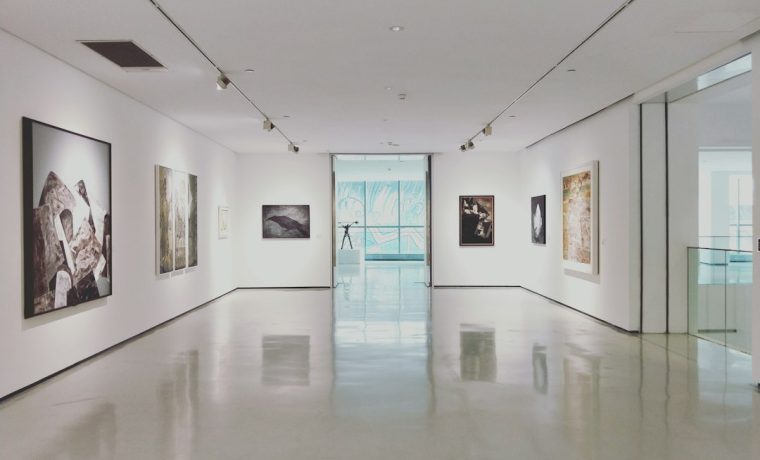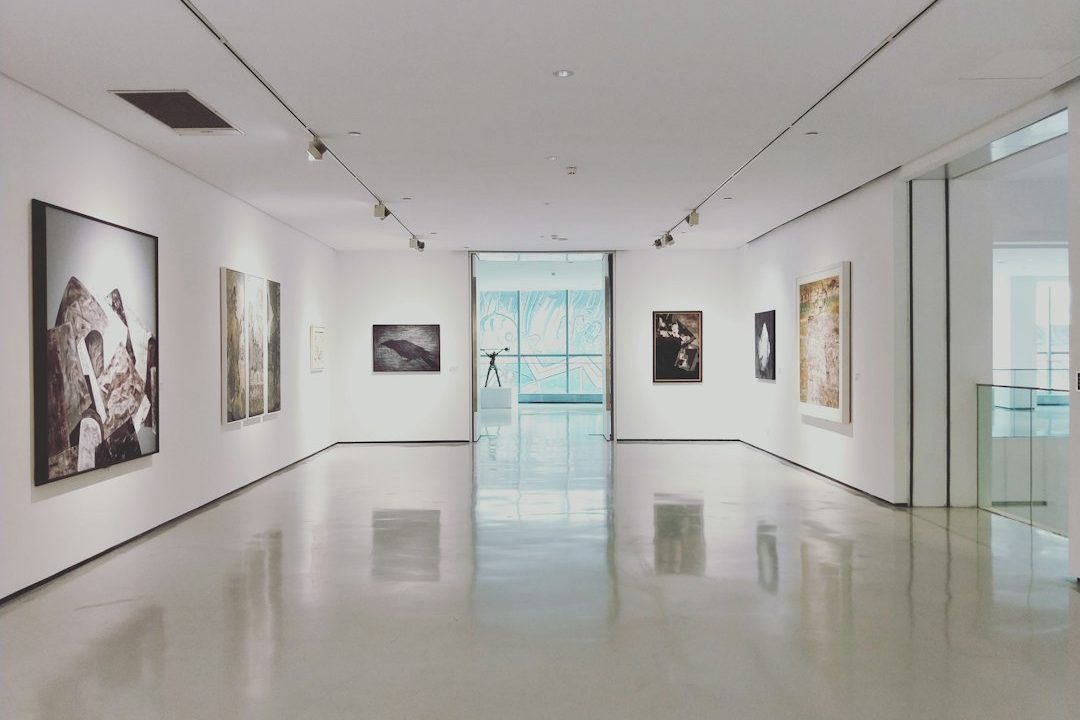
Public art changes how people move through shared space. Its lessons about attention, accessibility and surprise are increasingly relevant to digital design.
An encounter that cannot be skipped
Public art interrupts routine without demanding a purchase or a login. A mural on a commuter route, a sculpture in a public square or a temporary installation in a library changes the rhythm of a place. People may stop, ignore it, argue about it or return with someone else. That range of responses is part of its public character. Unlike a feed designed to keep users moving, the work can remain present while attention comes and goes.
Context is part of the artwork
A work placed in a square is never experienced in isolation. Weather, architecture, traffic, local memory and the habits of residents all shape its meaning. Digital products also exist within contexts, but interfaces often hide those relationships behind a screen. Public art reminds designers that people arrive with histories, constraints and different levels of familiarity. Good experiences acknowledge those differences instead of assuming a single ideal user.
Accessibility is a creative principle
Access is sometimes treated as a checklist added after a concept is complete. In public art, the question is more fundamental: who can reach the work, understand its invitation and spend time with it? Seating, tactile elements, clear interpretation, multilingual information and safe routes can transform the experience. Digital design benefits from the same thinking. Captions, readable contrast, keyboard navigation and plain language do not diminish expression; they make participation possible for more people.
Surprise without manipulation
A public artwork can create surprise because it changes an expected environment. It does not need to manufacture urgency or exploit a person’s attention. This distinction matters in digital culture, where novelty is often used to encourage compulsive checking. Designers can borrow the better lesson: create moments worth noticing, then let people decide how long to stay. An experience that respects an exit can build more trust than one that makes leaving difficult.
Making room for shared meaning
The strongest public projects invite interpretation rather than dictate a single response. Residents may attach memories, jokes or disagreements to a work, and those reactions become part of its social life. Digital communities also create meaning collectively, but platforms often reduce participation to metrics. A more generous design culture would value conversation, contribution and reflection alongside clicks. Public art shows that attention can be a shared resource, not merely something to capture.
Subculture Magazine explores the ideas, people and places shaping contemporary culture.