 Roland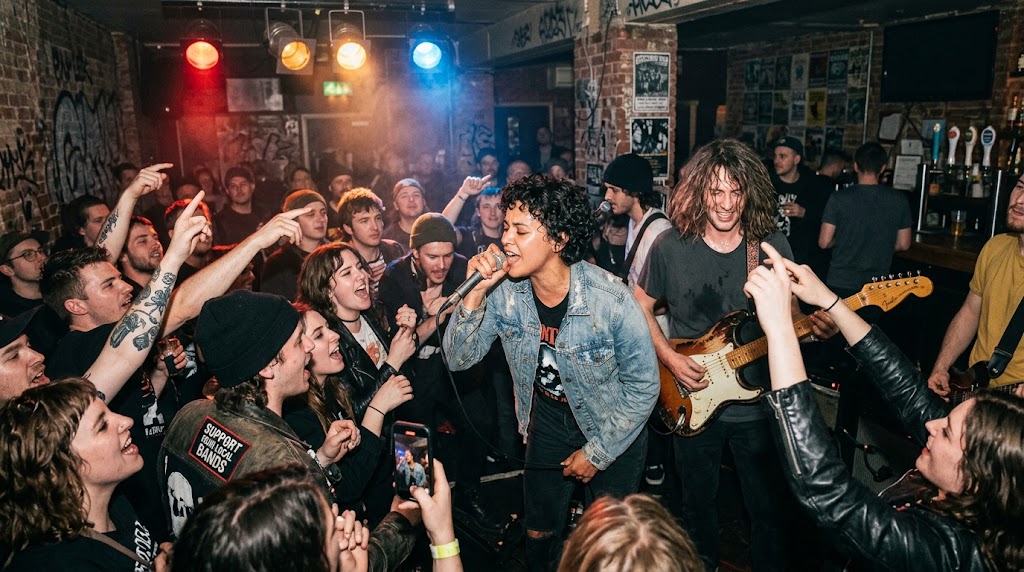
In a dimly lit, 200-capacity basement venue in an industrial district, sweat drips from the low ceiling as a four-piece post-punk band launches into their final song. There are no multi-million-dollar LED screens, no automated pyrotechnics, and no choreographed backup dancers. Instead, there is raw volume, eye-level proximity, and a crowd jumping in unison, sharing a single microphone with a vocalist who is standing on the monitors.
A few miles away, a stadium host to a legacy pop star stands half-empty in the upper decks, where spectators who paid several hundred dollars per ticket watch a tiny figure on stage through the screen of a smartphone.
This contrast captures a major realignment currently unfolding across the global live music landscape. For decades, the music industry’s economic and cultural authority was concentrated at the top. Mainstream megastars, backed by major record labels and global promotional conglomerates, dominated ticket sales, festival main stages, and media coverage. Underground, local bands were viewed primarily as developmental stepping stones—acts that played early afternoon slots to sparse crowds while waiting for a rare shot at commercial radio play.
Today, that hierarchy is collapsing. Driven by soaring stadium ticket prices, widespread consumer fatigue with hyper-polished corporate pop, and a renewed desire for authentic community connection, local acts and underground bands are stealing the spotlight. Across neighborhood dive bars, independent venues, and DIY warehouse spaces, regional scenes are experiencing an unprecedented boom in attendance, merchandise sales, and cultural prestige.
Grassroots live music is no longer just the foundation of the industry; for millions of music fans, it has become the main attraction.
The Economic Inversion: High-Priced Stadiums vs. High-Value Clubs
The most immediate catalyst behind the underground music boom is simple economics. Over the past several years, the cost of attending mainstream arena and stadium concerts has reached historical highs. Driven by dynamic pricing algorithms, excessive primary ticketing fees, and secondary market speculation, routine tickets for major headliners regularly exceed $200 to $500. For younger music fans, students, and working-class listeners, attending a single stadium concert has become a major financial strain.
Concurrently, inflation and rising travel costs have severely impacted middle-tier international touring acts. Many touring musicians have been forced to cancel regional tours after calculating that ticket sales could no longer cover the cost of freight, van rentals, fuel, and lodging.
This financial pressure has created a vacuum that local underground bands are ideally positioned to fill.
Mainstream Arena Model: $150–$500+ Ticket → Distant Sightlines → High Concession Costs → Mediated Experience
Local Underground Model: $10–$20 Ticket → Intimate Proximity → Direct Artist Support → Immediate Social Connection
For the price of a single stadium ticket, a music fan can attend ten local club shows, buy several physical vinyl records or t-shirts directly from the musicians, and support neighborhood small businesses.
Furthermore, local shows offer frictionless accessibility. Fans do not need to navigate stressful presale queues months in advance or travel across state lines to see a performance. The low financial barrier to entry encourages frequent attendance, turning a night out to see local bands into a routine weekend social habit rather than an expensive annual splurge.
The Pursuit of Raw Authenticity in a Polished Era
Beyond economic factors, the surge in popularity for underground bands reflects a profound shift in consumer psychology.
We live in an era dominated by algorithmic digital media, auto-tuned vocal tracks, and meticulously polished social media branding. Mainstream pop and rock productions are frequently engineered by committee to maximize short-form video clip engagement, resulting in live performances that can feel sterile, over-rehearsed, and visually predictable.
Underground bands offer the exact antithesis to this corporate polish: raw, unscripted authenticity.
In an intimate local venue, there is zero barrier between the performer and the audience. Mistakes happen live; guitars go out of tune, vocalists improvise with the crowd, and sets adapt in real time to the energy of the room. This vulnerability creates a sense of shared danger and excitement that cannot be replicated in a stadium setting.
| Industry Dimension | Mainstream Stadium Acts | Local Underground Bands |
| Production Focus | Timecoded lights, pre-recorded backing tracks, fixed setlists | Raw amplification, spontaneous set adjustments, high improvisation |
| Audience Relationship | One-way broadcast to passive consumers | Two-way dialogue; audience actively shapes performance energy |
| Accessibility | High security barriers, VIP separation, distant seating | Direct post-show interaction at the merch table, shared floor space |
| Cultural Value | Polished commercial entertainment | Authentic subcultural identity and community belonging |
When an audience member watches a local band perform in a small room, they are not merely passive consumers watching a commercial product; they are active participants in a temporary cultural community. The energy generated in a high-density club floor is collaborative, restoring a sense of visceral, real-world humanity to the live music experience.
Digital Hyper-Localization: How Regional Scenes Go Viral
Historically, an underground band’s reach was strictly limited by physical geography. A local group in Chicago or Manchester could build a fierce neighborhood following, but expanding that audience required years of grueling, self-funded regional touring and physical cassette or zine distribution.
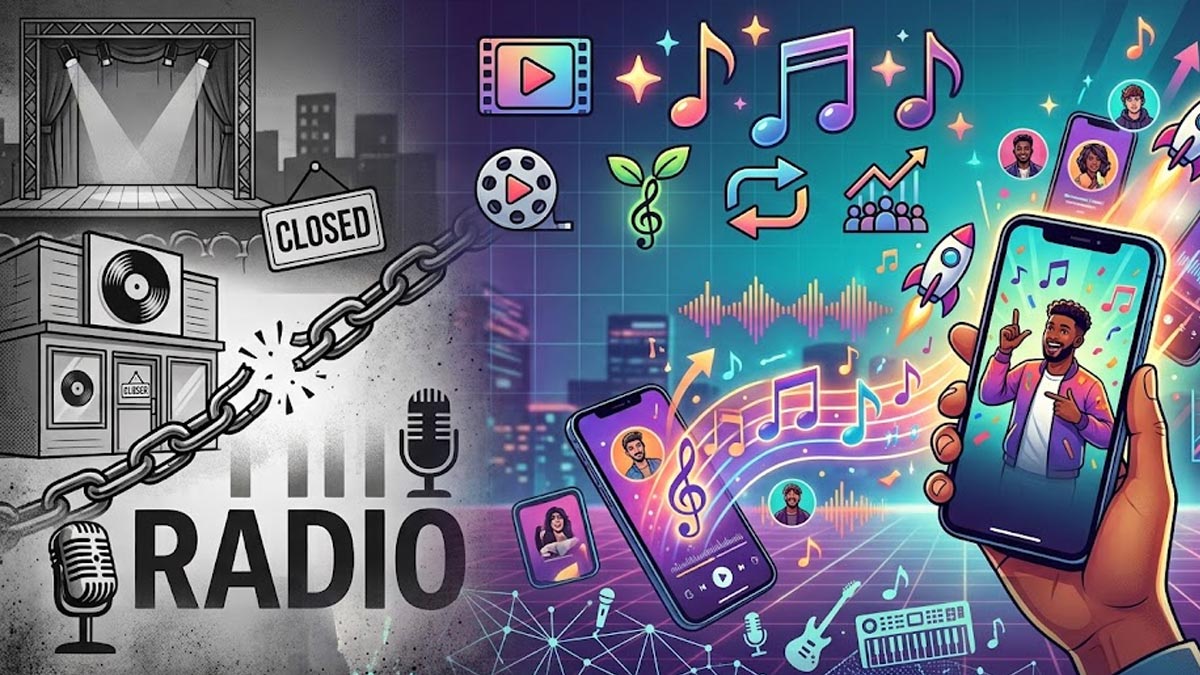
The modern digital landscape has fundamentally rewritten these rules of discoverability. Platforms like Bandcamp, TikTok, Reddit, and specialized Discord servers have enabled local sub-scenes to cultivate global audiences while remaining rooted in their home communities.
Instead of relying on national radio or corporate playlist curators, young music fans actively hunt for hyper-specific regional sounds:
- Scene-Based Virality: A video clip of a wild local mosh pit in a basement venue or a unique live performance in a neighborhood garage can circulate globally within hours, exposing a local band to hundreds of thousands of international listeners.
- Direct Digital Distribution: Platforms like Bandcamp allow independent bands to sell music and merchandise directly to fans worldwide, bypassing label intermediaries and retaining majority profits to fund their local activities.
- Global Subcultural Micro-Networks: A DIY shoegaze, hardcore, or indie-pop band in a mid-sized city can effortlessly connect with similar bands across continents, arranging co-op tour swaps and shared split releases without institutional funding.
This digital hyper-localization allows underground bands to achieve economic sustainability on their own terms. A local band no longer needs a major label contract to reach an audience; they simply need a dedicated local fanbase paired with an active digital presence.
Independent Venues as Community Anchors
The rise of underground music is inextricably linked to the survival and resurgence of independent music venues. Small clubs, DIY warehouses, community centers, and basement spaces serve as the crucial infrastructure where local music scenes incubate.
Unlike corporate-owned mega-arenas, independent venues function as multi-purpose community hubs. They provide a safe space for countercultural expression, youth networking, and artistic experimentation. On any given weeknight, a single local venue might host an indie-rock showcase, an ambient synthesis workshop, a punk benefit gig, or a local art market.
Independent Venue → Nurtures Local Talent → Builds Community Trust → Drives Regular Foot Traffic → Sustains Local Music Culture
Recognizing the immense cultural and economic value that local venues bring to neighborhood ecosystems, municipal authorities and arts organizations are increasingly stepping in to protect them. Grants for independent venues, noise-mitigation subsidies, and historical cultural designations are helping small spaces resist gentrification and rising commercial rents.
When an independent venue thrives, it creates a rising tide for the entire local music ecosystem. Local sound engineers, lighting technicians, poster artists, bartenders, and door staff gain consistent employment, while surrounding restaurants, bars, and record shops benefit from the steady foot traffic generated by local shows.
The Industry Pipeline Reverses: Major Labels Look Underground
As major record labels and mainstream booking agencies watch traditional promotion channels lose efficacy, they are increasingly forced to look underground for fresh artistic inspiration and sustainable business models.
For years, major labels attempted to manufacture viral stars artificially, signing social media personalities with high follower counts but zero live performance experience. This strategy frequently backfired when these creators proved incapable of selling tickets or delivering compelling live shows.
Today, the talent pipeline is reversing. Industry A&R representatives and festival bookers are actively scouting local underground scenes, seeking out acts that have already built authentic, battle-tested fanbases through grassroots hustle:
- Proven Live Draw: Underground bands that routinely sell out 200-to-500-capacity local venues demonstrate real commercial demand and performance competence that cannot be faked online.
- Built-in Brand Loyalty: Fans who discover a band through local shows and word-of-mouth recommendations possess far higher long-term retention rates than passive passive streaming listeners.
- Organic Creative Direction: Underground acts enter negotiations with fully realized visual aesthetics, song catalogs, and community relationships, reducing the need for corporate label development.
However, many contemporary underground bands are choosing to reject traditional major-label deals entirely. Having built profitable, self-sustaining careers through local show revenues, independent merchandise sales, and direct digital support, young musicians are recognizing that signing away their master rights to a corporate entity is often an unnecessary compromise.
The Permanent Shift in Live Music Authority
The phenomenon of local acts stealing the spotlight is not a temporary anomaly or a reaction to a single economic cycle. It represents a mature, structural decentralization of cultural authority within the global music ecosystem.
The era when a small group of corporate executives and national media gatekeepers could unilaterally decide which bands mattered has decisively passed. Modern audiences are taking control of their own cultural consumption, choosing intimacy over scale, authenticity over polish, and community connection over corporate spectacle.
Every weekend, in thousands of small venues, basements, and community halls around the world, the future of live music is being written one local show at a time. As long as human beings crave genuine connection, loud amplifiers in small rooms, and the unscripted magic of shared live experiences, underground bands will continue to win big—proving that the most powerful movements in music always begin closest to home.

 admin
admin