The most memorable cafes combine good products with a sense of welcome, routine and local identity. Their value is often found in the time people spend there.
The setting and its people
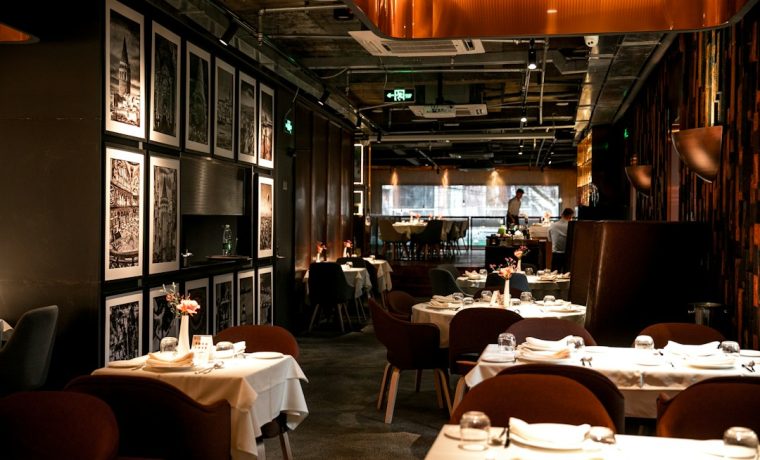
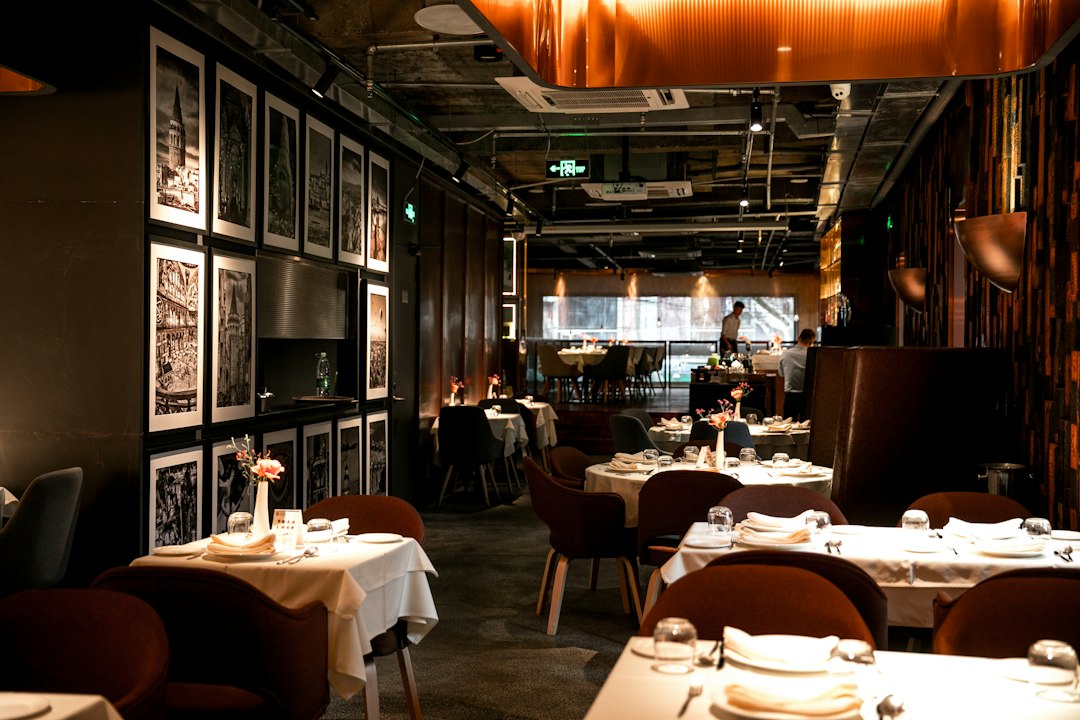
A cafe can serve as a pause between obligations. People arrive to work, read, meet a friend or simply sit somewhere outside their home. The atmosphere depends on practical details: comfortable seating, considerate service, manageable noise and a menu that feels cared for. These qualities may be less visible than a striking interior, but they determine whether people return.
The work behind the experience
Independent cafes often become informal neighbourhood landmarks. Staff recognise regulars, local notices appear near the counter and conversations develop across visits. This social role is especially important for people who need a public place that does not require a formal invitation. A welcoming cafe can make a neighbourhood feel more connected.
Culture, access and responsibility
The economics behind the experience are complex. Coffee prices reflect rent, wages, equipment, ingredients and the time required to maintain quality. Customers may see a cup as a small purchase, while operators manage a business with thin margins. Transparent pricing and fair working conditions help sustain the places people value.
A more sustainable way forward
A good cafe does not need to be a destination designed for photographs. It needs to understand its customers and offer a consistent reason to return. The best ones become part of daily life precisely because they make ordinary time feel a little more generous.
Subculture Magazine — independent perspectives on contemporary culture.