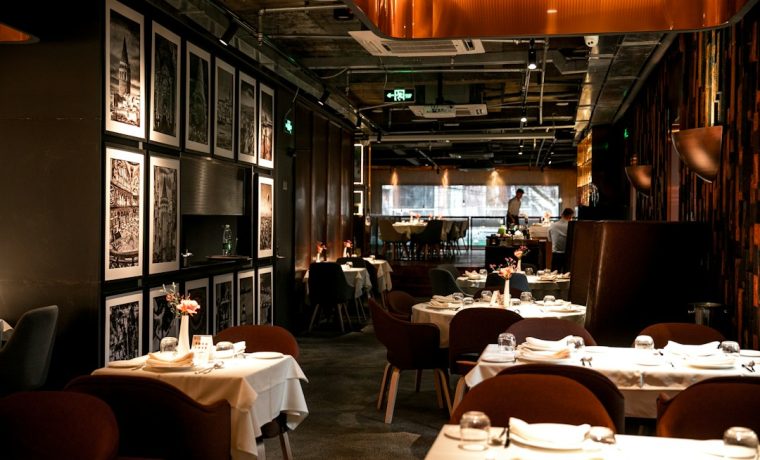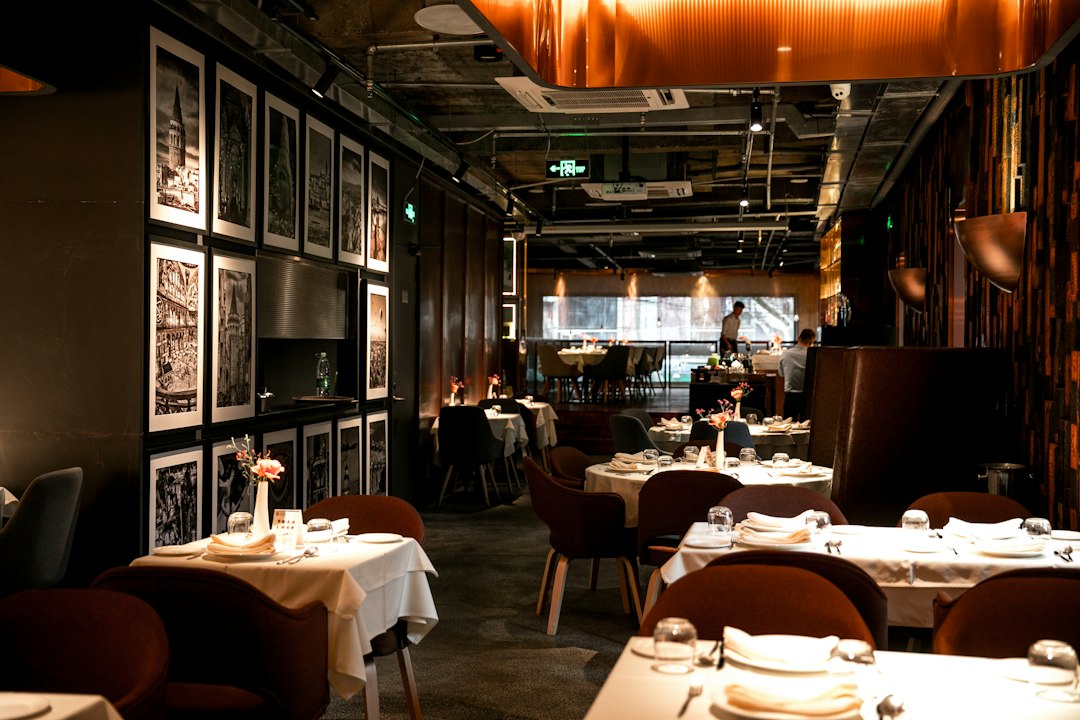
Restaurant design is moving beyond photogenic interiors toward spaces that balance atmosphere, accessibility and the practical needs of guests and workers.
The setting and its people
A restaurant is experienced through more than its visual identity. The distance between tables, the quality of light, the acoustics and the route to the entrance all affect whether people feel comfortable. An interior may photograph beautifully but become tiring when guests cannot hear one another or staff have to navigate awkward layouts.
The work behind the experience
Good design begins with understanding how a room will be used. A busy lunch service has different needs from a quiet evening dining room. Durable materials, flexible seating and clear circulation can support the atmosphere without calling attention to themselves. Accessibility should be part of the initial plan, not a late adjustment made after the visual concept is complete.
Culture, access and responsibility
Staff experience matters as much as guest experience. Storage, preparation areas, ventilation and safe movement influence the quality of service and the sustainability of work. A thoughtful layout reduces unnecessary strain and helps teams do their jobs with confidence. Design decisions are therefore also decisions about labour.
A more sustainable way forward
The most successful restaurant interiors often feel specific rather than expensive. They respond to the building, the menu and the community around them. Comfort, clarity and a sense of place can create a stronger identity than a room designed primarily to become a social-media backdrop.
Subculture Magazine — independent perspectives on contemporary culture.