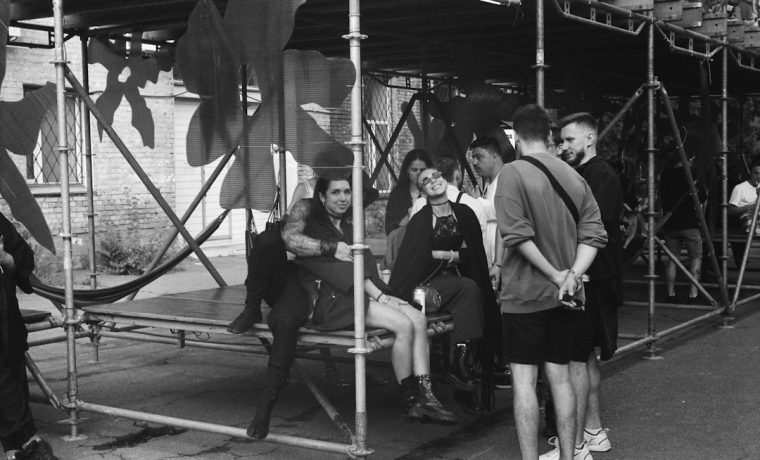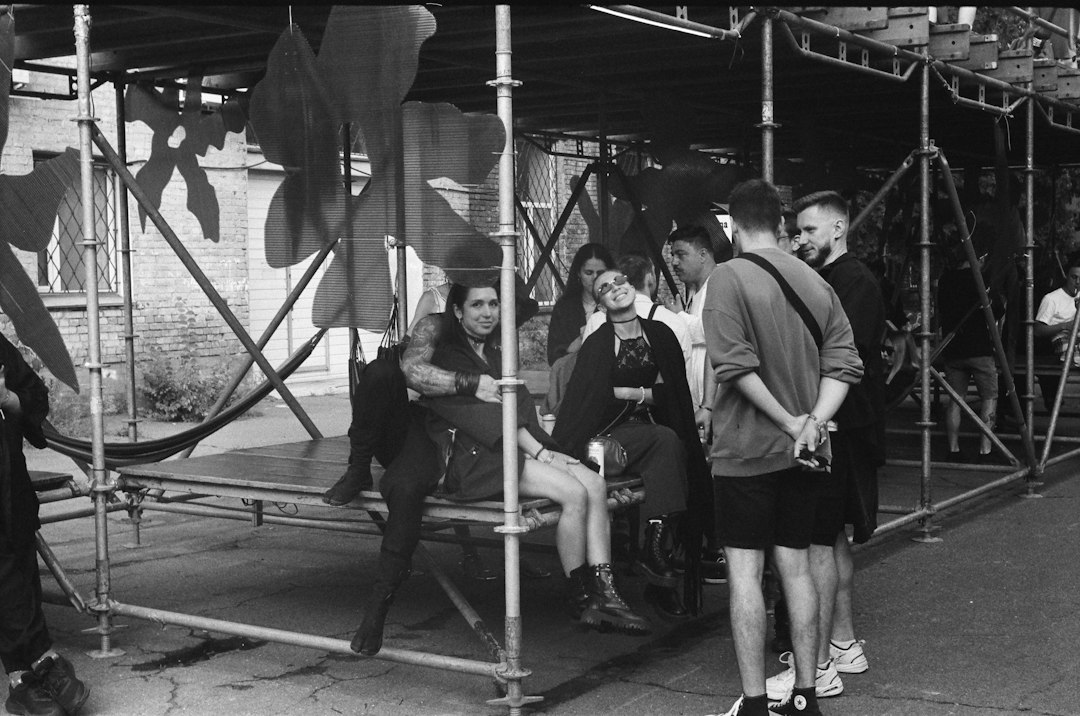
Cultural memory lives in ordinary places, personal archives and shared rituals. Local communities help preserve stories that official histories may overlook.
The roots of the pattern
Cultural memory is often imagined as something held by museums or national archives, but much of it lives in everyday practice. Family photographs, shop signs, recipes, neighbourhood nicknames and stories told at gatherings preserve details that formal records may never capture. These fragments help people understand how a place became what it is.
What changes when culture travels
Community archives can bring these materials together without removing their local character. Oral-history projects, walking tours and collaborative exhibitions invite residents to contribute what they know. The process is as important as the final collection because it allows people to compare memories, recognise gaps and discuss which stories deserve attention.
The value of context
Preservation also involves difficult choices. A neighbourhood may contain memories of exclusion as well as celebration. Responsible projects should make room for disagreement and avoid treating one person’s account as the complete truth. Consent, clear ownership agreements and careful handling of personal material help protect the people whose experiences are being recorded.
Making sense of what comes next
Keeping cultural memory alive does not mean resisting change. It means allowing new residents and younger generations to add their perspectives while understanding what came before. A living archive remains open to correction, conversation and new evidence. Its purpose is not to freeze a community, but to help it recognise itself over time.
Subculture Magazine — independent perspectives on contemporary culture.