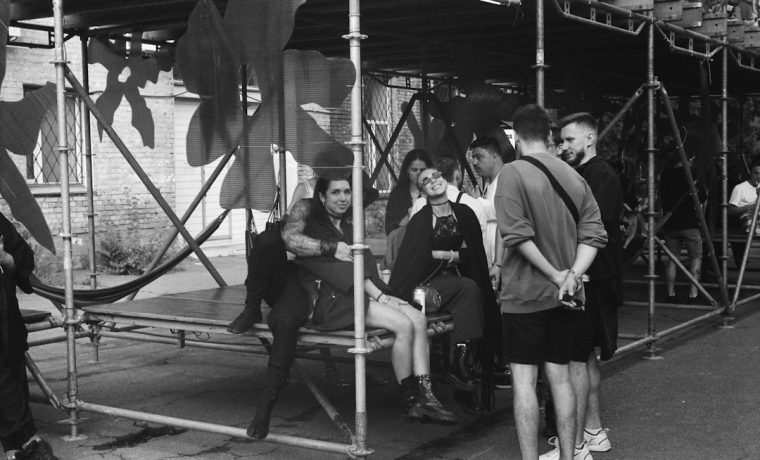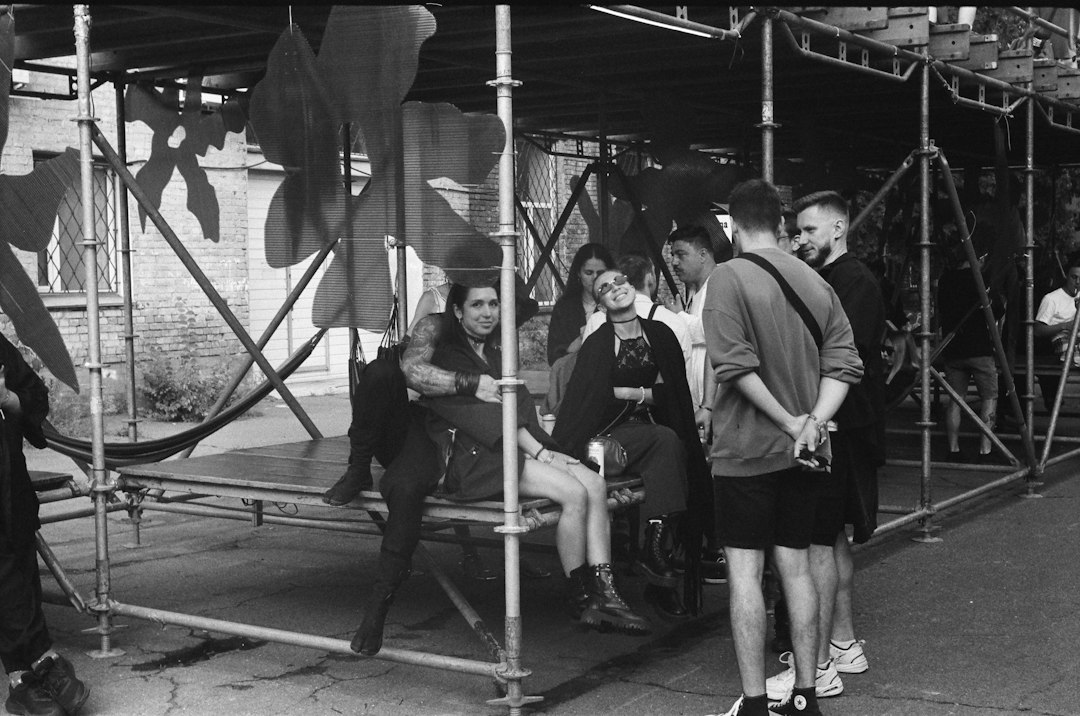
Subcultures rarely disappear when their style becomes popular. Their symbols may travel into the mainstream, while the communities that created them continue to evolve.
The roots of the pattern
A subculture begins when people develop shared references that make sense within a particular social world. Music, clothing, language and meeting places can help members recognise one another. These signals are not always designed as statements of opposition; sometimes they simply express belonging. Over time, however, the outside world may notice the look before understanding the relationships behind it.
What changes when culture travels
Mainstream attention can bring visibility and opportunity, but it can also detach symbols from their original context. A style that once helped a small community communicate may become a product category or a campaign aesthetic. This process is not always harmful, yet it raises questions about credit, ownership and who benefits when cultural ideas travel.
The value of context
Subcultures respond by changing. New sounds emerge, old references are remixed and communities create fresh spaces where participation matters more than appearance. The idea of a pure or untouched scene is usually misleading: cultural movements have always borrowed, adapted and argued with one another.
Making sense of what comes next
Understanding a subculture means looking beyond its most recognisable image. Ask who gathers, what they make together and which conditions shape their lives. The most interesting part is rarely the outfit alone. It is the network of meaning that gives the outfit a reason to exist.
Subculture Magazine — independent perspectives on contemporary culture.