Reading time: 5 minutes
It is easy to treat an album as a collection of separate tracks. A listener can save one song, skip another and move between artists without ever hearing a release from beginning to end. Yet track order remains one of the ways musicians shape an album’s identity. The opening establishes a mood, transitions create momentum, quieter moments offer contrast and the final track can change how everything before it is remembered. Sequencing is not simply an administrative decision made after the songs are finished. It is part of the composition of the whole.
An opening makes a promise
The first track introduces the listener to the world of an album. It may begin with a statement of intent, a gradual invitation or a deliberate misdirection. A direct opening can establish energy immediately, while a restrained one may ask for patience. Neither approach is inherently better. The important thing is the relationship between the opening and what follows.
An opener can also establish a sonic vocabulary: a recurring instrument, a production texture, a lyrical concern or a particular sense of space. Later tracks can repeat, complicate or reject those signals. The opening gives listeners something to recognise as the album develops.
Transitions create a larger rhythm
Track order influences how one song is heard in relation to the next. A sudden shift in tempo can create surprise. A shared key, texture or sound can make two very different tracks feel connected. An instrumental passage may give the listener time to absorb a lyric, while a short track can work like a hinge between larger sections.
These decisions are especially noticeable when songs are designed to run into one another, but sequencing matters even when there is silence between tracks. A fast song followed by a slow one changes the sense of pace. A dense arrangement placed beside a sparse recording makes the contrast part of the experience.
Contrast gives an album room to breathe
If every track carries the same intensity, an album can become tiring even when the songs are individually strong. Variation creates space. A quieter track can reveal a different side of a performer; an unexpected rhythmic shift can renew attention; a change in perspective can make a recurring theme feel newly complicated.
Contrast does not require a dramatic change of genre. It can come from a different vocal approach, a shorter arrangement, a change in lyrical distance or a moment where the production becomes more exposed. The sequence gives those differences meaning by placing them in relation to one another.
The closing track changes the memory
A final song has a particular responsibility. It can resolve a theme, leave a question open or return to an idea from the beginning in a changed form. Sometimes the ending is conclusive; sometimes it makes the listener want to start again. The strongest closing choices feel earned by the sequence rather than selected simply because a song was left over.
When an album ends quietly after a series of intense tracks, the effect can be one of release. When it closes with an unresolved sound or image, the album may continue in the listener’s thoughts after playback stops. The final track becomes part of how the entire work is remembered.
Playlists and singles have changed the listening context
Streaming services make it easier to encounter music out of sequence. That flexibility is valuable: listeners can follow a mood, discover a single track or build a personal route through a large catalogue. It also means that the album’s intended order is no longer guaranteed to be the first way someone hears the work.
Artists can respond in different ways. Some releases are built around standalone singles and a loose collection of songs. Others use recurring sounds, interludes or thematic links that reward uninterrupted listening. There is no need to choose one model for every project. The format should serve the music and the relationship an artist wants to create with an audience.
Physical formats make sequence visible
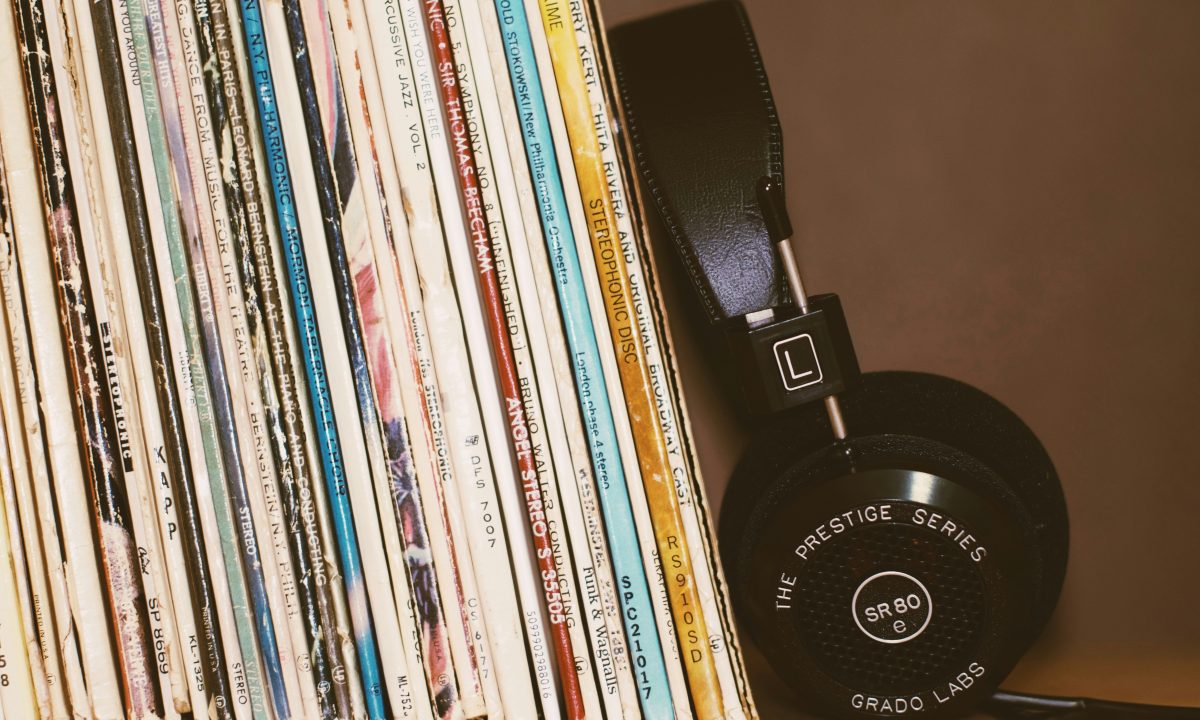
Vinyl and other physical editions can make track order feel tangible through sides, printed lists and the act of turning a record over. But sequencing is not valuable only because of a physical format. A carefully ordered digital album can offer the same sense of movement when listeners choose to hear it as a whole.
Listen for the shape between songs
Returning to an album from the first track can reveal decisions that are easy to miss when songs are heard separately. Notice how the energy changes, which sounds return and where the sequence gives the listener room. Ask whether the ending alters the meaning of the opening.
In a culture built around quick access, an album can still offer a different kind of attention. Its order gives songs a shared context and turns a set of recordings into a journey. The listener remains free to skip, shuffle and choose—but the sequence is there when they want to hear the larger story.
Image: blocks / Unsplash.