Reading time: 5 minutes
A memorable meal is often described through its final details: the balance of flavours, the presentation or the atmosphere of a dining room. Yet much of the experience begins earlier. It is shaped by the people who grow, catch, select and prepare ingredients, and by the local knowledge that tells a kitchen what is worth cooking at a particular moment. Food culture is not only what appears on a plate; it is the network of decisions and relationships behind it.
Seasonality gives a menu its sense of time
Cooking with the seasons can create a natural rhythm for a restaurant or home kitchen. Ingredients arrive when they are at their best, and menus respond to changes in weather, harvest and availability. This can encourage creativity because cooks work with what is present rather than expecting every ingredient to be available in the same form all year.
Seasonality should not be treated as a marketing label. In some places, supply chains, climate and storage make local availability complicated. A transparent kitchen can explain where ingredients come from and why certain choices make sense, rather than making broad claims that are difficult to verify.
Local knowledge adds depth
Producers, fishers, market vendors and cooks hold knowledge that rarely appears on a menu. They understand how ingredients behave, which varieties are suited to a region and how traditional methods can adapt to new circumstances. Building relationships with these people can help a kitchen make better decisions and give diners a clearer sense of place.
Local sourcing does not guarantee quality or fairness on its own. Reliability, safe handling, reasonable pricing and respectful working relationships matter too. The most meaningful partnerships recognise the labour behind the ingredient and create value for everyone involved.
Hospitality is more than service
The way a meal is shared shapes how it is remembered. A welcoming explanation of a dish, a flexible approach to dietary needs or a comfortable pace can make guests feel considered. Hospitality is not simply performance; it is the practical work of noticing what people need and helping them feel at ease.
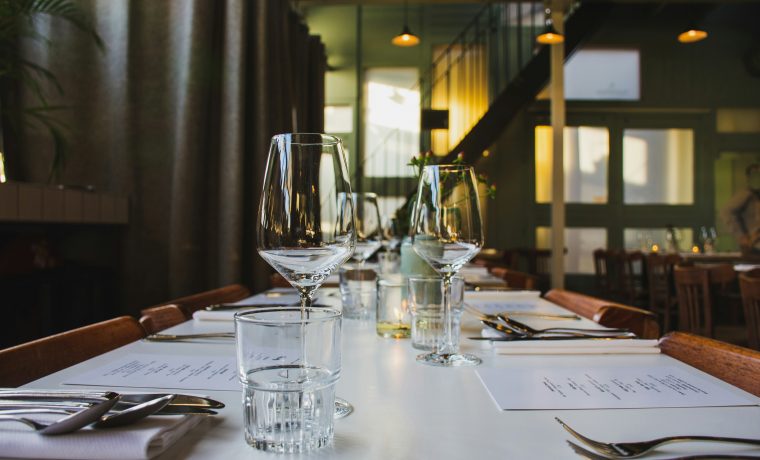
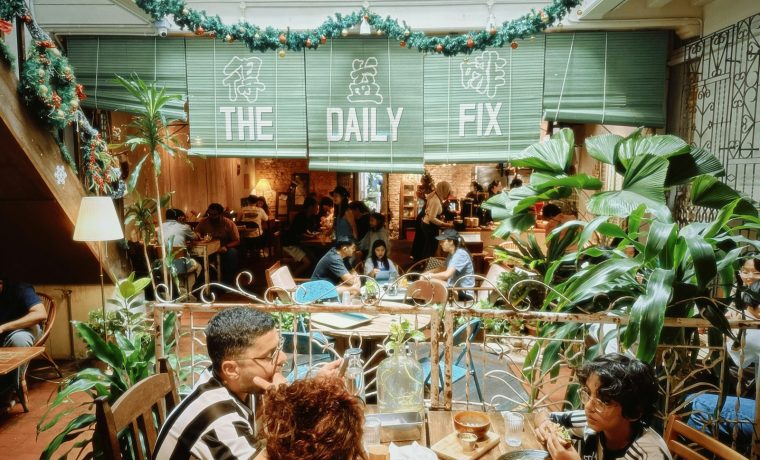
Design contributes to that feeling. Lighting, acoustics, seating and table layout influence whether a room feels intimate, lively or rushed. The strongest dining spaces make these choices in support of the food and the people gathering around it.
Food carries culture across generations
Recipes change as families move, ingredients become available and techniques meet new influences. That evolution does not make a dish less authentic. Food traditions are living practices, shaped by memory and adaptation. Listening to the people connected to a recipe is more useful than treating culture as a fixed set of rules.
A meal as a connection to place
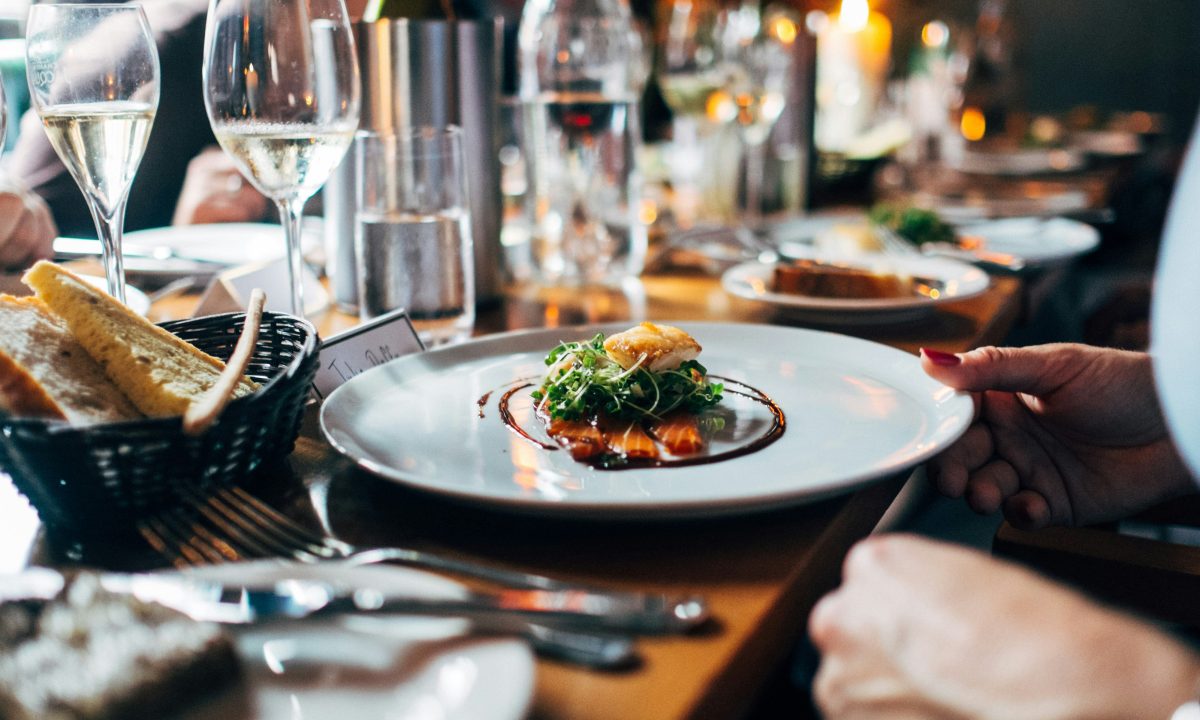
Restaurants and home kitchens can help people understand a region through its ingredients, habits and stories. The experience is richer when diners are invited to appreciate the people and processes behind a dish, not just its appearance.
When food is treated as a relationship between land, labour, craft and hospitality, the table becomes a place to encounter a wider culture. That is what gives a meal a sense of place long after the last course has been cleared.
Image: Jay Wennington / Unsplash.