Reading time: 5 minutes
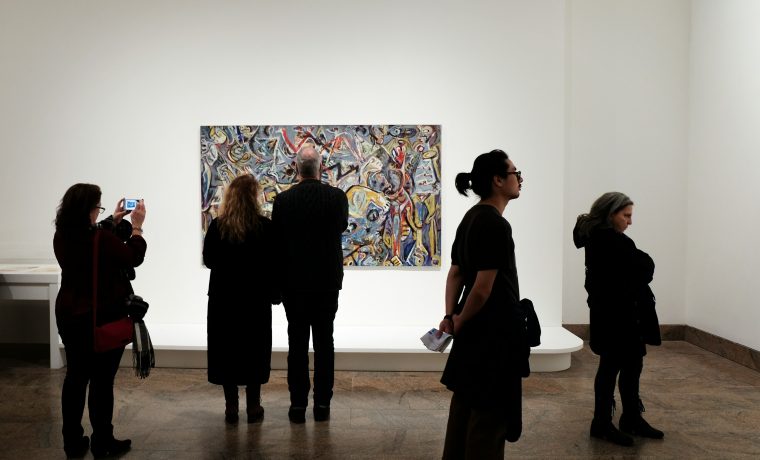
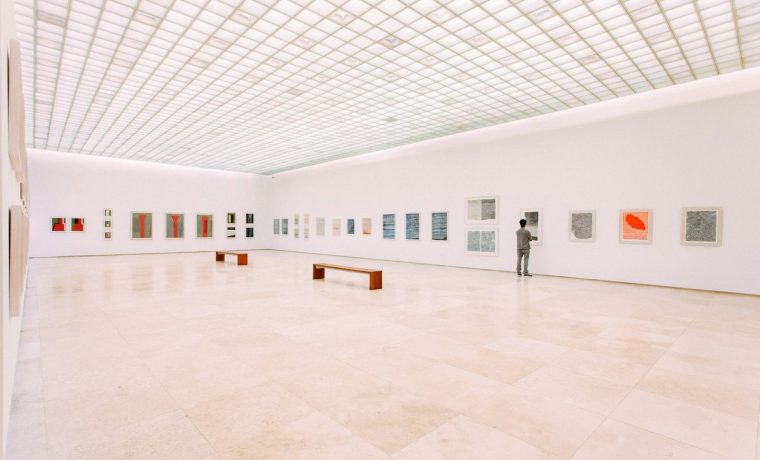
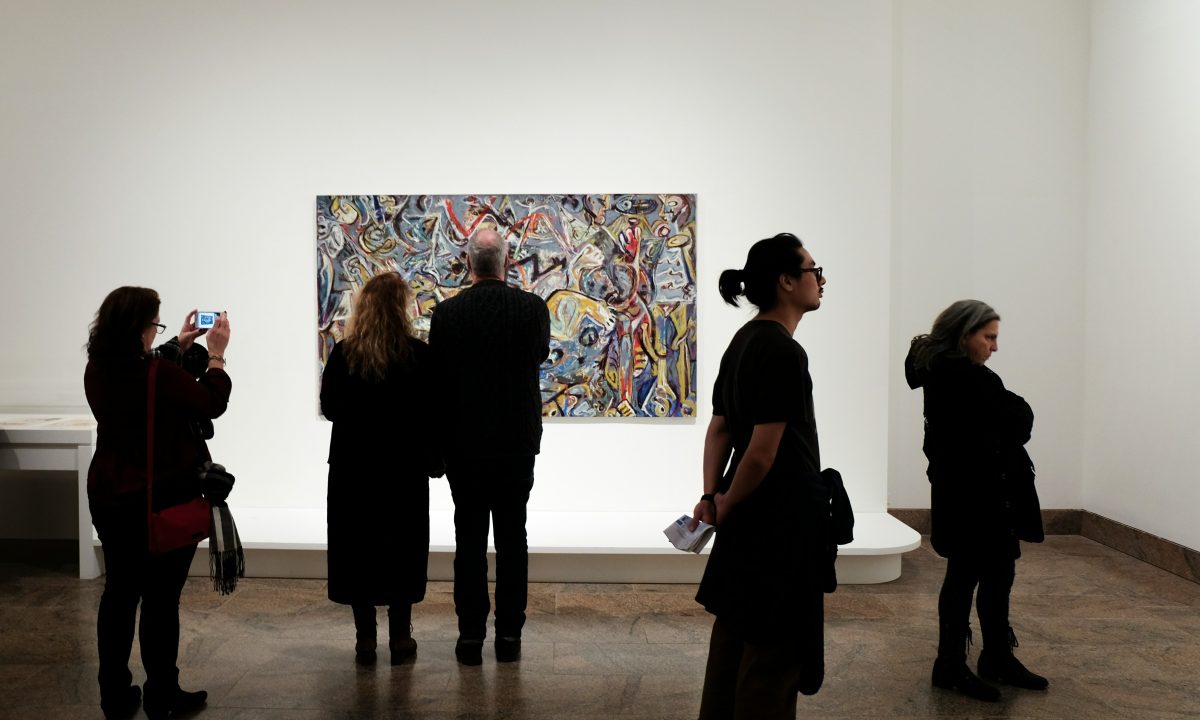
For generations, the gallery has been one of the most familiar settings for contemporary art. Its quiet rooms, carefully arranged walls and controlled lighting can give a work the attention it deserves. But art does not begin or end at the gallery door. Across creative practice, artists and organisers are finding ways to bring cultural experiences into streets, shared buildings, workshops and the ordinary rhythms of neighbourhood life.
Taking the work beyond the gallery
Public-facing projects can change the relationship between an artwork and its audience. A mural encountered on the way to work, a temporary installation in a market or a performance in a community hall reaches people who may not have planned a cultural visit. The setting becomes part of the experience: weather, architecture, movement and the responses of passers-by all influence how a work is understood.
Moving outside a conventional institution is not automatically more inclusive. A project still needs permission, resources, maintenance and a thoughtful relationship with the people who use a space. The strongest work begins with listening rather than treating a neighbourhood as a convenient backdrop.
The studio as a shared resource
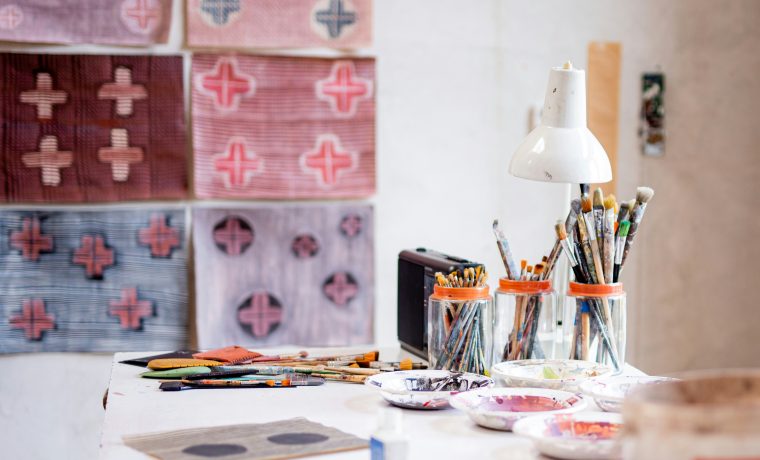
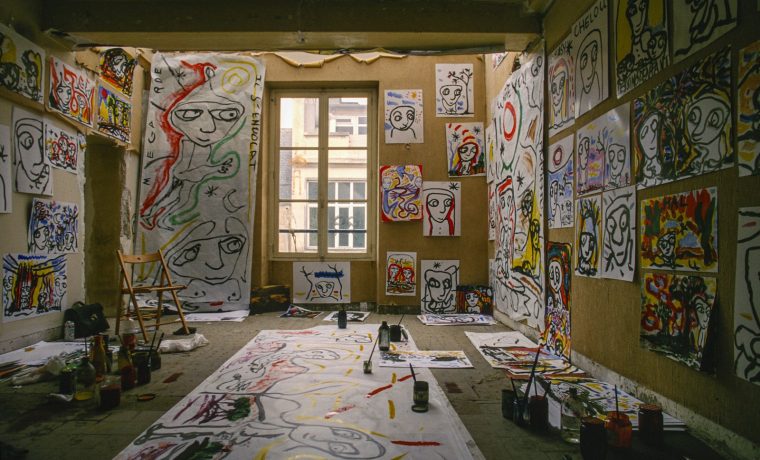
Artists also open their processes to others through shared studios, open workshops and collaborative making sessions. These formats reveal the decisions and labour behind finished work. Visitors can see experiments, mistakes and revisions, gaining a fuller understanding of creative practice than a polished object alone might provide.
Shared spaces can also help independent practitioners manage the cost of equipment, rent and specialist facilities. A workshop with communal tools or a print studio with affordable access can support people who would otherwise struggle to maintain a practice. In this sense, creative infrastructure is as important as exhibition space.
Designing for genuine participation
Participation works best when people understand what is being invited and what their contribution means. A collaborative artwork should make room for different abilities, languages and levels of confidence. It should also be clear about authorship: who makes the final decisions, how contributions are credited and whether participants can change their minds.
Not every visitor wants to take part directly. Observation, conversation and quiet attention are valid forms of engagement too. An open cultural space offers several ways to enter rather than assuming that interaction is the only measure of success.
Care is part of the creative brief
Projects in public settings need plans for access, safety, upkeep and long-term responsibility. Temporary work can still leave a lasting effect, especially when it builds relationships between artists and local organisations. Documentation should record not only the finished result but also the people, decisions and conditions that made it possible.
A wider map of art
The future of art spaces is unlikely to be a choice between institutions and the street. Galleries can provide depth, conservation and specialist context, while everyday settings offer different forms of contact and exchange. Together, they create a richer cultural landscape.
When artists work with the places people already inhabit, art becomes less distant without losing its ambition. It can remain challenging and carefully made while becoming part of daily life—something encountered, discussed and remembered beyond a single visit.
Image: Jessica Pamp / Unsplash.