Reading time: 5 minutes
Fashion encourages the idea that personal style should always be moving forward. New collections, seasonal edits and social feeds present change as a kind of obligation. But a recognisable style is often built through the opposite process: noticing what works, returning to it and gradually editing away what no longer feels useful. Repetition can be a creative choice rather than a lack of imagination.
Recognising the pieces that last
Some garments become part of a person’s visual language because they are comfortable, adaptable or connected to a memory. A jacket may work across different settings; a pair of shoes may become a daily signature; a colour combination may feel natural after years of experimentation. These choices are not necessarily timeless in a commercial sense. They are durable because they make sense in a particular life.
Building style through editing begins with observation. Which clothes are worn repeatedly? Which items require constant adjustment? What feels expressive without becoming uncomfortable? These questions can be more useful than a list of trends. They shift attention from the fantasy wardrobe to the clothes that actually support everyday routines.
Repetition can create meaning
Artists, designers and musicians often develop recognisable visual identities through recurring forms. Fashion works in a similar way. Repeating a silhouette or a material can create coherence, while small changes in proportion, texture or styling keep the result alive. Personal style does not need to be a fixed uniform, but it can benefit from a few reliable references.
There is also freedom in not treating every appearance as a performance. Clothes can express identity while remaining practical. A wardrobe that works for real schedules, budgets and bodies is more useful than one designed only for photographs.
Consumption and the pressure to update
Constant reinvention can encourage unnecessary buying. When novelty becomes the measure of style, garments are treated as temporary content rather than objects to care for. Repair, tailoring, resale and swapping offer ways to extend the life of clothing while making room for change. They can also make style more individual, because the result is shaped by use rather than a single retail cycle.
Shopping thoughtfully does not mean avoiding new clothes altogether. It means asking whether a piece has a role, whether it works with what is already owned and whether its quality suits the way it will be used. Independent designers and second-hand sellers can offer alternatives, but affordability and access remain important considerations.
Style as a living record
Personal style changes as people move through different jobs, places, relationships and stages of life. A garment kept for years may carry a memory; a new choice may signal a shift in priorities. Editing allows those changes to happen without discarding everything that came before.
The most convincing style is rarely the one that changes fastest. It is the one that feels considered, adaptable and connected to the person wearing it. In that sense, style is less about reinvention than about learning what deserves to stay.
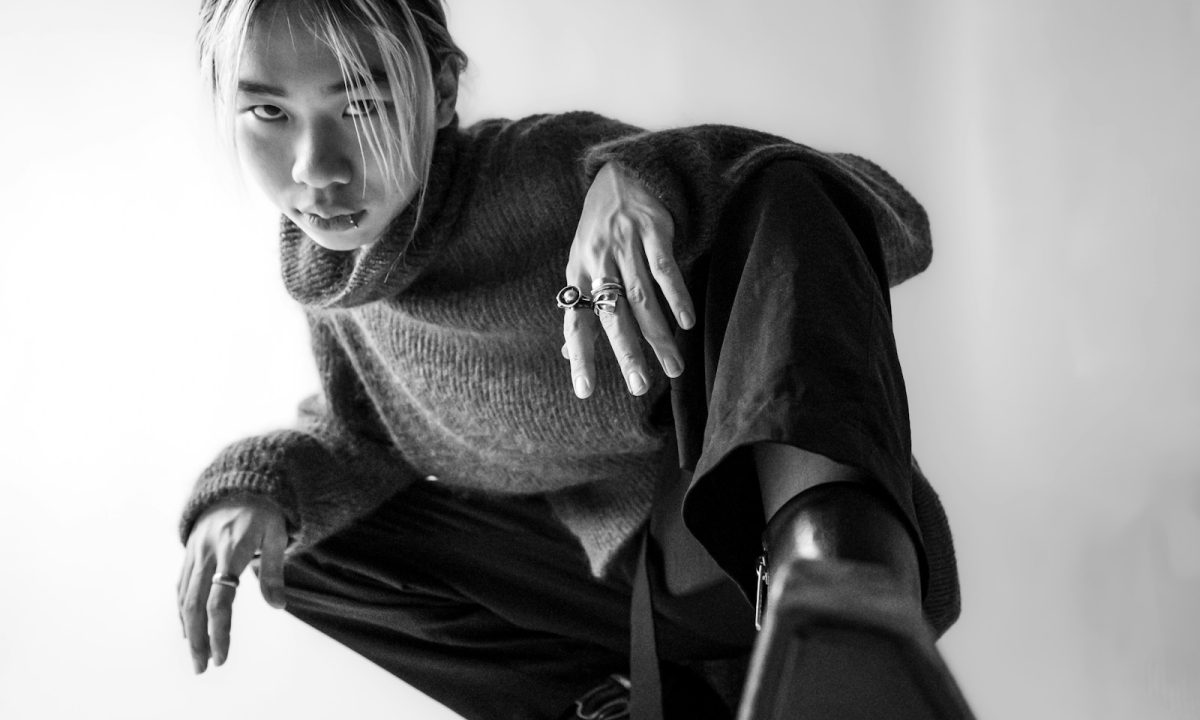
Image: Joss Broward / Unsplash.