Reading time: 5 minutes
Some images demand attention immediately. They are dramatic, colourful or composed to make a clear impression. Others seem ordinary: a doorway, a half-empty room, a familiar street or an object left on a table. These pictures may appear unremarkable at first, but looking again can reveal the choices and histories embedded in them. The ordinary image is not empty. It is often dense with context that becomes visible only when we slow down.
Attention is a way of reading
Photography is frequently discussed in terms of what it captures, but it is equally shaped by what the frame leaves out. The position of the camera, the distance from a subject, the timing of a gesture and the available light all influence the story a viewer receives. A photograph of a public square can suggest openness or exclusion depending on who is present, who is absent and where the photographer stands.
Slow looking gives these decisions time to register. Instead of asking only whether an image is beautiful, viewers can ask what it makes visible, what it assumes and what remains outside the frame. This approach does not require specialist knowledge. It begins with curiosity and a willingness to stay with a picture beyond the first impression.
The archive of everyday life
Ordinary photographs become especially meaningful when they accumulate. Family albums, local collections and personal phone libraries hold fragments of how people live: domestic arrangements, changing streets, clothing, celebrations and the objects that once seemed too familiar to document. Over time, these images become records of change. A shopfront photographed casually can later reveal how a neighbourhood has been transformed.
Archives are never neutral. Someone chooses what to keep, label, share or discard. Some communities have extensive institutional records, while others are represented mainly through images made by outsiders. Supporting community-led photography and local archiving can broaden the visual record and give people greater control over how their histories are told.
Beyond the perfect picture
Digital platforms encourage rapid selection. Images are judged in a stream, often through immediate reactions. That environment rewards clarity and impact, but it can make ambiguity feel like a problem. Yet photographs that resist instant interpretation may invite a more lasting relationship. Their meaning changes as the viewer brings new experiences to them.
This is not an argument against strong composition or technical skill. It is a reminder that a photograph’s value cannot be measured only by how quickly it communicates. Some images work slowly, revealing their structure through repeated encounters.
Making room for another look
Artists, curators and publishers can encourage deeper attention by presenting images with thoughtful sequencing, context and space. A short caption can offer useful information without closing down interpretation. A series can show how a subject changes across time rather than isolating one supposedly definitive moment.
To look again is to recognise that seeing is an active practice. The everyday image rewards patience because it asks us to notice the world we already inhabit. In that attention, ordinary scenes become a way of understanding how memory, place and identity are continually made.
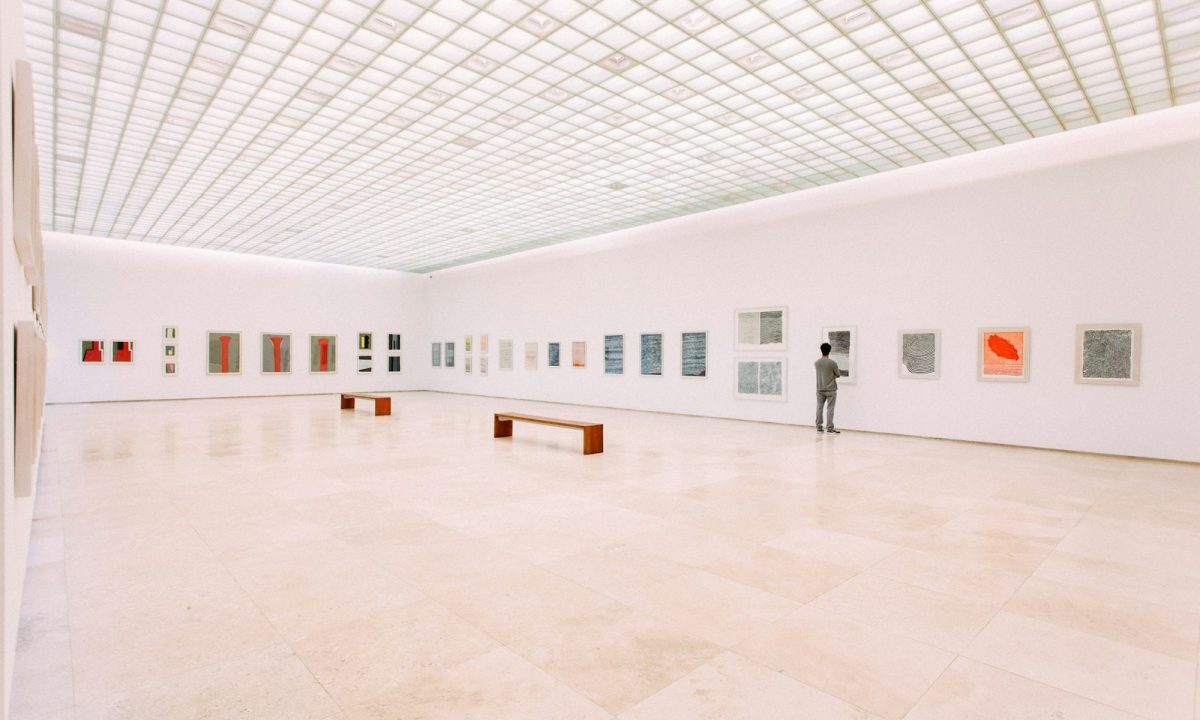
Image: Antenna / Unsplash.