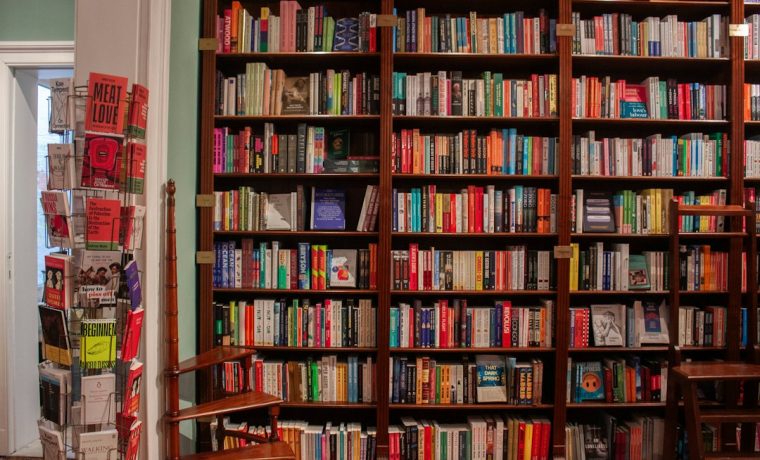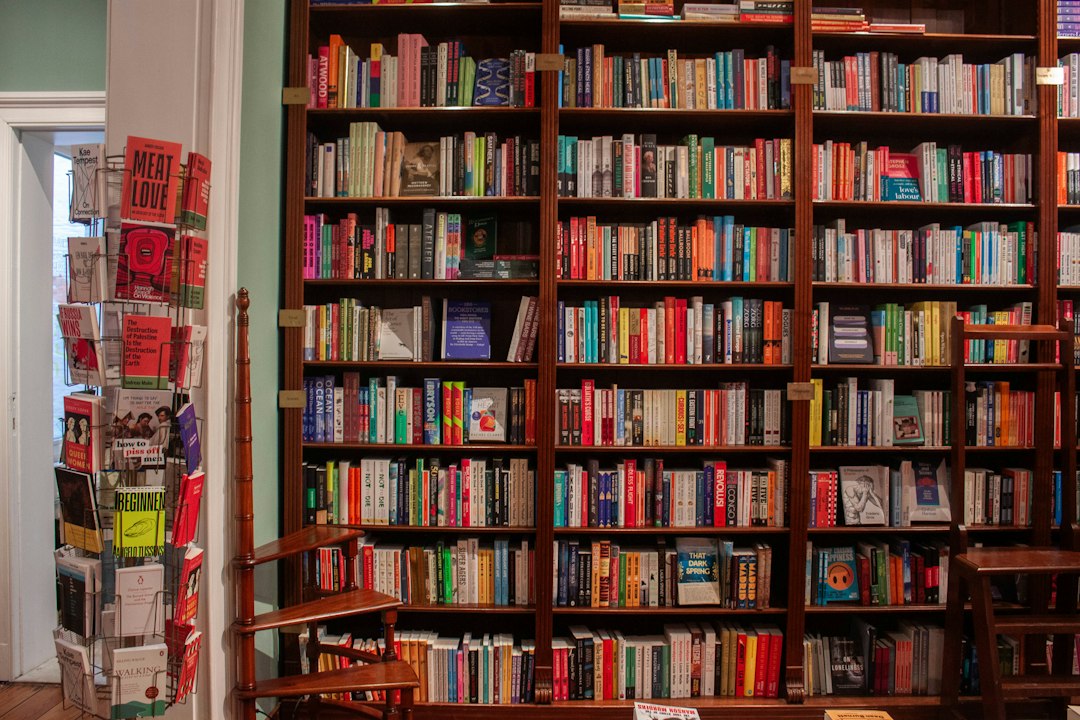
Independent bookshops offer more than shelves of titles. They create spaces for discovery, local conversation and a personal relationship with reading.
The context behind the story
A bookshop is a physical map of choices. Its shelves reflect the interests of buyers, the histories of a neighbourhood and the conversations that happen between staff and readers. A recommendation from someone who knows the collection can lead a visitor toward a writer they would never have searched for by name. That encounter is one of the pleasures of browsing.
What readers and communities gain
Online retail offers speed and range, but independent shops provide context. Displays can connect books across genres, staff picks can explain why a title matters and events can bring readers into direct contact with writers. These activities turn the shop into a cultural meeting place rather than a simple point of sale.
Questions of access and responsibility
The economics are challenging. Independent booksellers compete with large platforms, rising rents and changing reading habits. Supporting them requires more than nostalgia: customers need to buy books, attend events and recognise the expertise involved in maintaining a thoughtful collection. Local partnerships with schools, libraries and cultural organisations can widen their reach.
A lasting cultural role
A bookshop’s value is measured partly in the books people discover and partly in the relationships formed around them. In a digital reading culture, physical spaces offer a different kind of attention: slower, social and open to surprise. Their future depends on making that experience accessible to new generations.
Subculture Magazine — independent perspectives on contemporary culture.