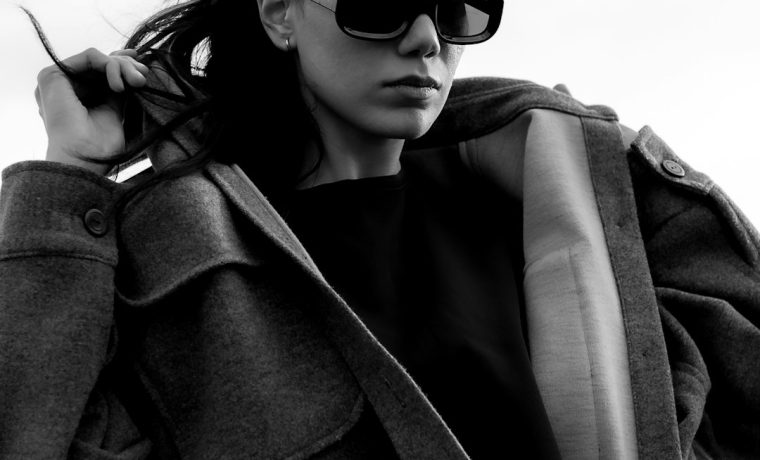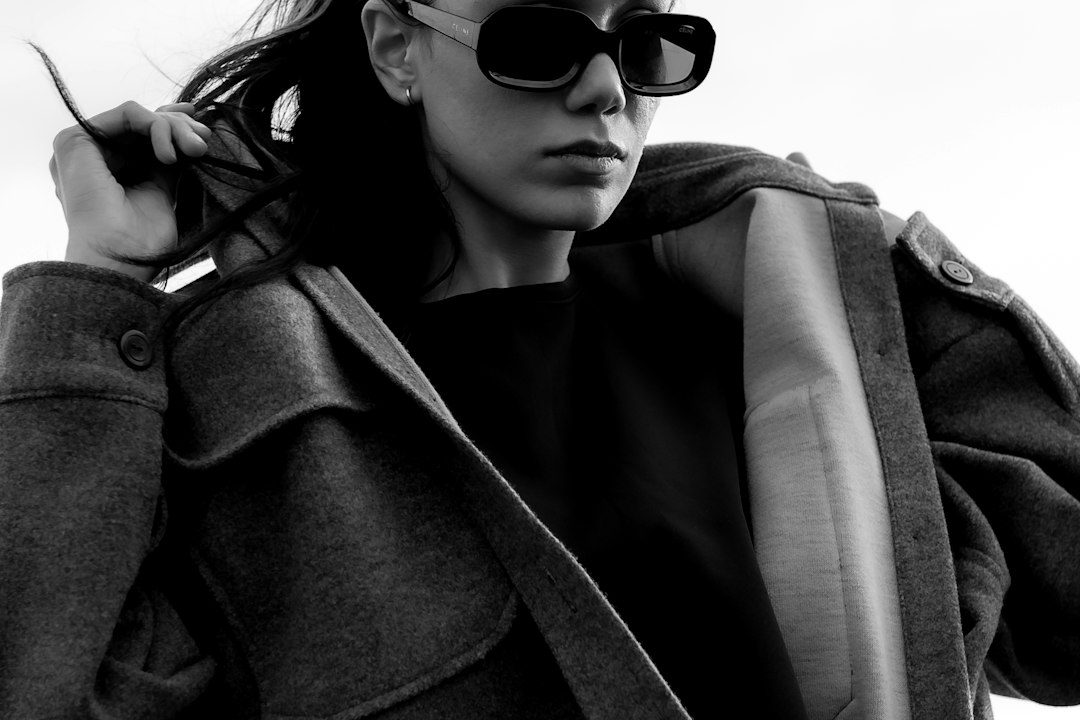
Fashion imagery shapes how clothing and identity are understood. Honest visual storytelling depends on context, collaboration and a willingness to show more than a polished surface.
Style as a record of everyday life
Fashion photographs do more than display garments. They create ideas about bodies, aspiration, belonging and taste. A campaign can make a piece of clothing feel connected to a particular lifestyle, even when the image tells us little about how that garment is made or worn. Understanding fashion imagery means looking at both the visual choices and the story surrounding them.
The systems behind the look
Honesty is not the same as documentary rawness. A highly produced image can be transparent about its intention, while a casual-looking photograph can still manipulate its subject. The important questions concern agency and context: who shaped the image, who is represented and whether the people involved have a meaningful say in how they appear.
Reading images with care
Styling, casting, location and retouching all contribute to the message. Including a wider range of ages, body types and lived experiences can expand fashion’s visual vocabulary, but representation should not become a decorative checklist. The people in an image need to be treated as collaborators rather than proof of a brand’s values.
A more considered future
Audiences can read fashion images critically without losing the pleasure of looking. Ask what is being sold, what is being left out and which details feel specific rather than generic. The most compelling images invite curiosity about the person wearing the clothes, not only the product being promoted.
Subculture Magazine — independent perspectives on contemporary culture.