Reading time: 5 minutes
A film’s public life does not end when the credits roll. For some viewers, the most interesting part begins afterwards: a conversation about a difficult ending, a review that changes how a scene is understood or a screening that places the work beside films from another era. These exchanges help cinema remain a shared cultural experience rather than a stream of titles consumed and quickly replaced.
The screening creates a shared moment
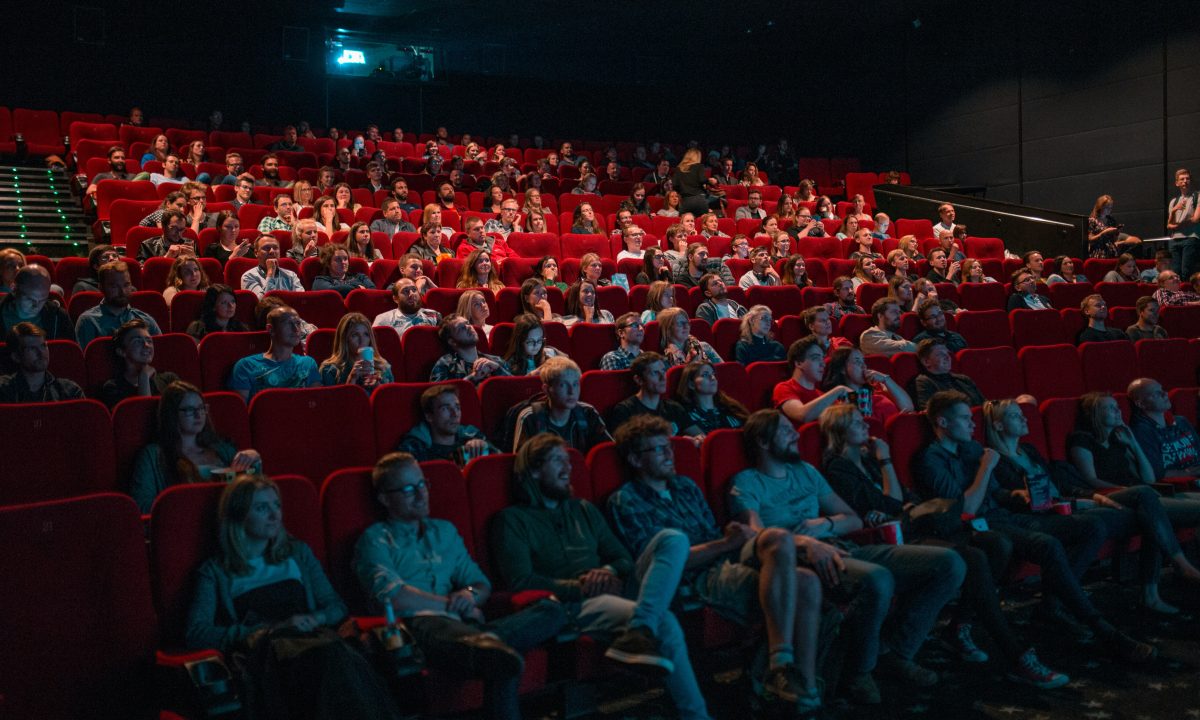
Watching at home offers comfort and flexibility, but a communal screening has a different rhythm. The audience gives a film a temporary public space. Laughter, silence and surprise are experienced together, even when viewers do not know one another. A cinema, film club or community venue can make attention feel collective.
Special screenings can add another layer. A director introduction, a short programme of related films or a discussion with local critics gives viewers context without dictating a single interpretation. The event becomes a meeting point between the work and the people who encounter it.
Criticism as a form of invitation
Good film criticism does more than announce whether a film is worth watching. It helps readers notice choices: how a camera moves, how a performance handles silence, how editing creates tension or how a story reflects the period in which it was made. A thoughtful review can make a viewer curious about a film they might otherwise overlook.
Criticism is most useful when it leaves room for disagreement. Viewers bring different histories and expectations to a screening, and a strong interpretation should open questions rather than close them. The point is not to tell everyone what to think, but to make looking and listening more rewarding.
Why repertory programmes matter
Repertory cinemas and curated film series connect new releases with older work. They can reveal how genres evolve, how filmmakers borrow and transform visual ideas, and how audiences have changed. A programme built around a theme—such as cities on screen, independent animation or stories of migration—can create connections across countries and decades.
These programmes also make film history tangible. A restored print or a rarely screened title gives audiences an opportunity to encounter cinema beyond the most visible catalogue. Preservation becomes meaningful when films are not only stored but shown, discussed and reinterpreted.
Online discussion needs context too
Digital communities make it easier to exchange recommendations and find specialist perspectives. They can keep a conversation going after a screening and connect viewers who live far apart. But fast reactions can flatten complex work into a rating or a single memorable scene. Longer essays, moderated discussions and well-organised archives help preserve nuance.
Keeping the conversation open
Cinema stays culturally alive when people have opportunities to return to films, compare responses and discover work outside their usual habits. That requires accessible venues, thoughtful programming, independent criticism and audiences willing to spend time with a story.
A premiere may introduce a film to the world. The conversations that follow give it a chance to keep growing.
Image: Krists Luhaers / Unsplash.