Reading time: 5 minutes
Watching a film at home is convenient. Viewers can pause, rewind, choose subtitles and fit a screening around other responsibilities. Yet a cinema offers something that is difficult to reproduce on a personal screen: a room of people agreeing, for a limited period, to give the same work their attention. The experience is not only about image size or sound quality. It is about shared time.
Attention changes when the room changes
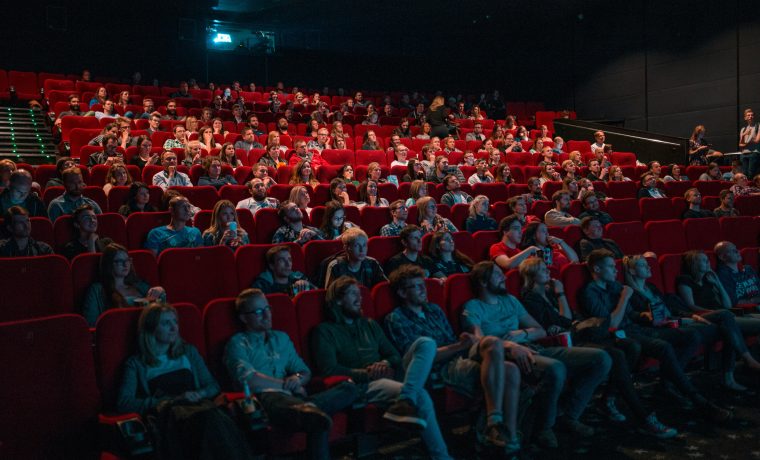
A cinema creates a particular relationship between the viewer and the film. The lights dim, the screen becomes the centre of the room and everyday interruptions are temporarily reduced. This arrangement does not guarantee concentration, but it makes attention a collective activity. Laughter, silence and surprise move through the audience, sometimes changing how an individual understands a scene.
Communal viewing also makes duration feel different. At home, a viewer can stop whenever they wish. In a cinema, the film unfolds at its own pace. That commitment can be valuable for works that depend on atmosphere, gradual change or sustained observation. The viewer has time to settle into a rhythm rather than constantly deciding whether to continue.
Local cinemas create cultural meeting points
Independent cinemas and community screening spaces can provide more than a programme of releases. Retrospectives, restored films, documentaries, local shorts and conversations with filmmakers give audiences ways to encounter work outside mainstream distribution. These events can create a shared vocabulary around cinema and help emerging filmmakers find viewers.
Such spaces are also social infrastructure. People may return because they recognise the staff, meet friends or enjoy a regular event. The cinema becomes part of a neighbourhood’s cultural routine. Its value cannot be measured only by ticket sales for individual titles.
Access is part of the experience
Communal viewing should not be treated as automatically inclusive. Ticket prices, transport, subtitles, audio description, wheelchair access and screening times all affect who can participate. A cinema that wants to serve a broad public needs to consider these conditions alongside its programming.
Community partnerships and carefully designed events can widen access. Relaxed screenings, family sessions and low-cost programmes may help people who find conventional cinema environments difficult or expensive. Accessibility is not separate from cultural quality; it determines who gets to experience it.
Streaming and cinemas can coexist
The choice is not simply between the home screen and the cinema. Streaming can make films available to people who live far from cultural venues or have limited time and mobility. Cinemas can offer collective experiences, discovery and context. Each format has strengths, and a healthy film culture benefits from both.
What matters is preserving the conditions for different kinds of viewing. A film can be watched privately, discussed online or experienced in a room full of strangers. The shared screening remains distinctive because it turns attention into a temporary public event. For a couple of hours, a group of people inhabit the same story at the same time.
Image: Jakob Owens / Unsplash.