Reading time: 5 minutes
A second-hand book rarely arrives as a blank object. Its cover may be softened by use, its pages marked by a previous owner, or its margins filled with notes that interrupt the author’s argument. These traces can be distracting, but they can also make a book feel like a meeting place. The reader is encountering a text and, sometimes, evidence of another person’s relationship with it.
Material traces and private histories
Underlining, folded corners, inscriptions and library stamps turn an ordinary copy into a small archive. A name written inside a cover may suggest a gift or a school year; a date can place the book within a particular moment. Most traces are incomplete. They do not tell us who the previous reader was or what they thought. Their value lies in the questions they raise rather than in a complete story.
There is a difference between treating every mark as precious and recognising that books are used objects. Some readers prefer clean pages, while others enjoy marginalia. The point is that wear can be part of a book’s biography. It reminds us that reading takes place in real lives, not only in the abstract world of literary interpretation.
Circulation keeps stories moving
Second-hand books also extend the life of printed material. A title can move between households, charity shops, specialist dealers, libraries and new readers. This circulation makes older books accessible and gives forgotten works another chance to be encountered. It can also challenge the assumption that cultural value is tied to newness.
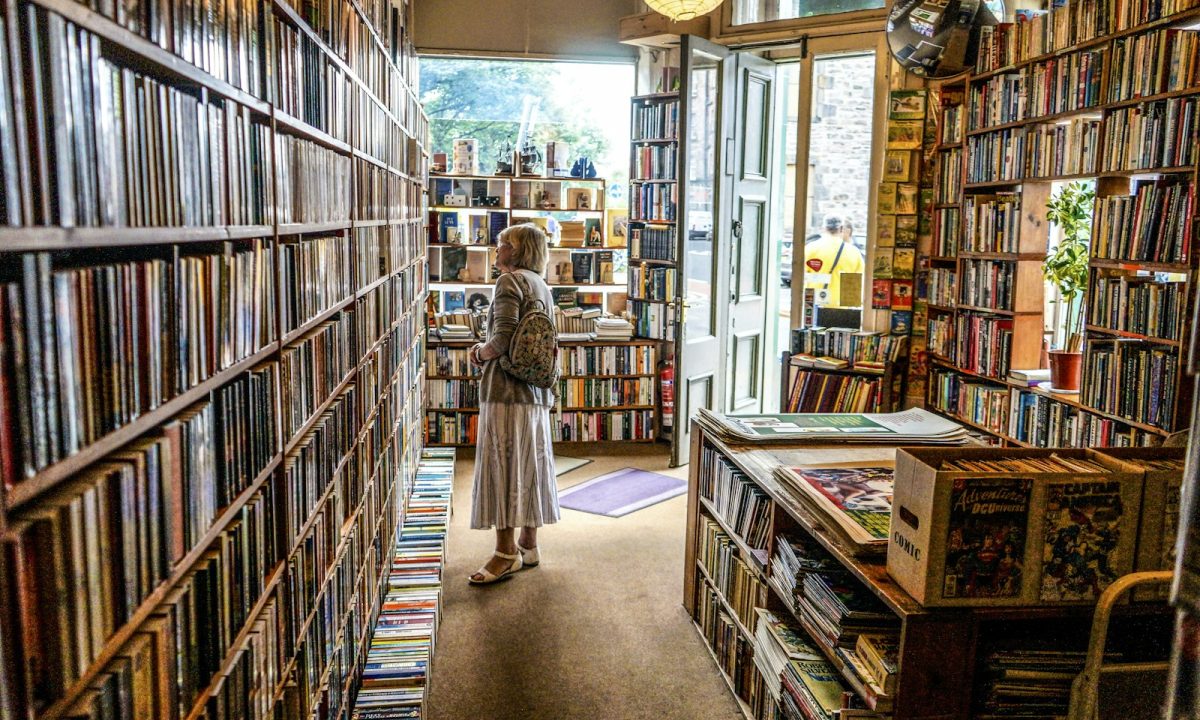
Reuse is not automatically sustainable in every circumstance; shipping, storage and the condition of books still matter. But buying used can be a practical way to keep books in circulation, especially when readers are exploring a subject or building a collection on a limited budget. Local second-hand shops often make browsing part of the pleasure, because their stock changes unpredictably.
What gets preserved?
The second-hand market can reveal which books remain in demand and which are difficult to find. Yet availability is shaped by more than literary merit. Publishing decisions, school curricula, marketing, language and historical power all influence what survives in large numbers. Some writers remain easy to locate; others disappear from mainstream shelves despite their importance to particular communities.
Collectors, booksellers and readers can help widen the record by seeking out small presses, translated work and titles from underrepresented traditions. Libraries and community archives can preserve material that the commercial market does not value. A used book is not a substitute for these institutions, but it can be one route through which neglected writing returns to circulation.
Reading as an exchange
When we buy a second-hand book, we inherit an object without inheriting its previous owner’s interpretation. We are free to disagree with the notes, ignore the folded page or add our own marks. The book continues its life through a new encounter.
That is part of the appeal. A second-hand copy makes reading feel less like a private purchase and more like an ongoing exchange between people who may never meet. Its worn edges are reminders that stories travel, and that a book’s life does not end when its first reader closes it.
Image: John Michael Thomson / Unsplash.