Reading time: 5 minutes
The image of the artist working alone remains powerful, but much creative work is shaped by other people. A studio can be a place where a designer borrows a tool, a photographer asks for another pair of eyes, or a maker discovers a solution through a conversation that was never meant to be a formal critique. These ordinary exchanges are easy to overlook because they rarely appear in the finished work. Yet they are part of the infrastructure that allows ideas to move.
What a shared studio makes possible
Shared studios lower the distance between disciplines. Someone working with textiles may encounter a sculptor’s approach to structure; an illustrator may learn how a sound artist thinks about rhythm and repetition. The value is not that everyone begins making the same kind of work. It is that unfamiliar methods become available as references. Creative practice grows when people can borrow ways of thinking without abandoning their own point of view.
There is also a practical dimension. Equipment, storage, specialist knowledge and rent are expensive. A collective space can distribute some of those costs while making access to tools less dependent on individual resources. For emerging practitioners, this can be the difference between an idea remaining theoretical and becoming a project that can be tested.
Collaboration needs boundaries
Working near other people does not automatically create a healthy community. Shared spaces need clear agreements about noise, schedules, safety, maintenance and the use of common equipment. They also need a culture in which asking for help is possible without making every interaction an obligation. Good collaboration depends on trust, but trust is supported by practical structures.
Creative credit is another important question. Informal exchanges can influence a project in meaningful ways, and collaborators should be able to discuss how contributions are acknowledged. Not every conversation requires a credit line, but substantial work should not disappear into the vague language of inspiration. Clear expectations protect relationships as well as reputations.
Designing for productive friction
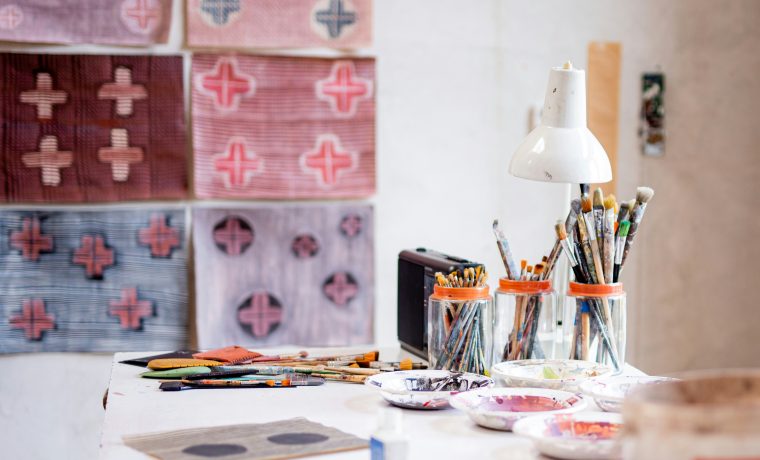
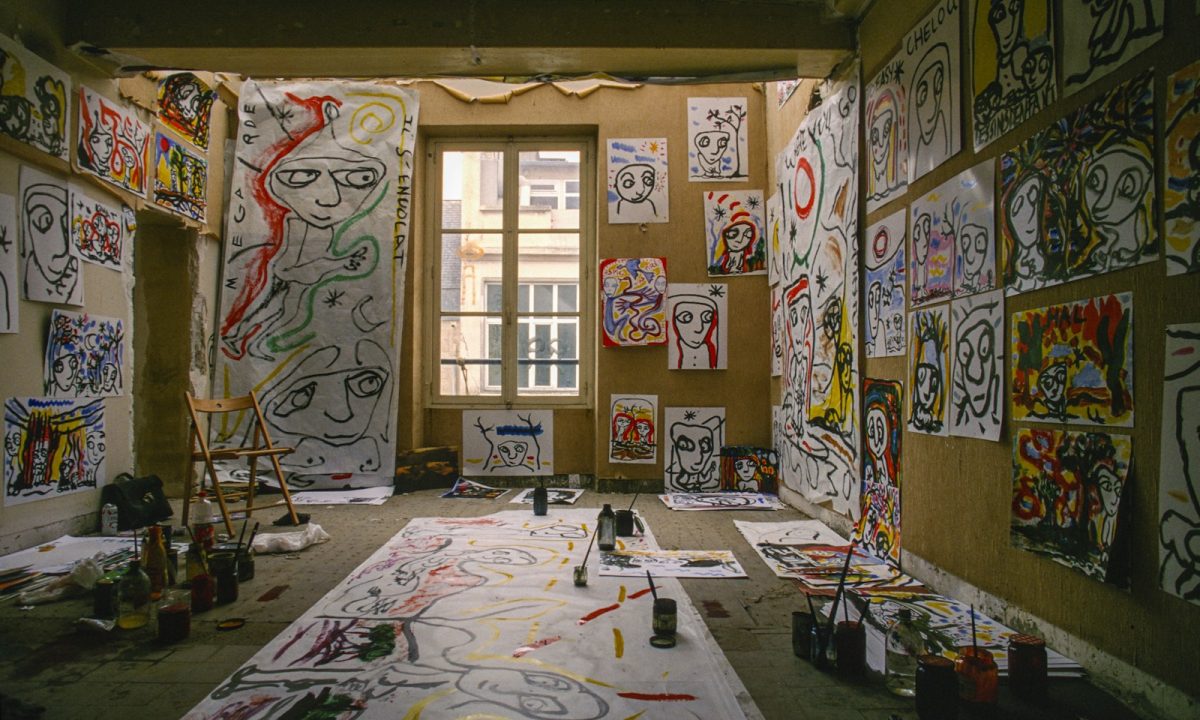
The best shared studios are not necessarily quiet or perfectly organised. They make room for different working rhythms while offering places to concentrate. A communal table can encourage exchange; a small enclosed room can protect focused work. Flexible storage and visible works-in-progress help people understand what is happening around them without requiring constant explanation.
Managers of creative spaces can support this balance through open workshops, peer sessions and simple ways to share skills. These activities work best when participation is voluntary and practical. A short session on lighting, bookkeeping or grant applications may be more useful than another abstract networking event.
Community is part of the work
A shared studio does not erase individual authorship. It makes visible the relationships that already shape creative production. In a culture that often celebrates the lone breakthrough, these spaces remind us that making is also a social practice: built through exchange, generosity, negotiation and time.
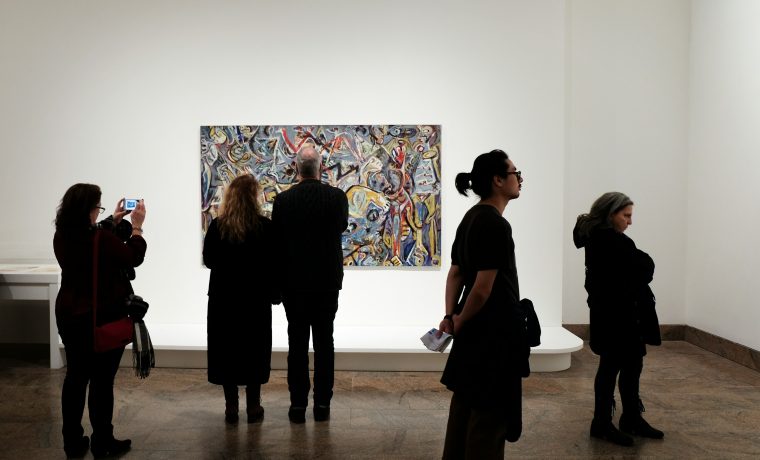
When a studio is treated as cultural infrastructure rather than just rentable floor space, its impact can extend beyond the people who work inside it. Open days, neighbourhood partnerships and accessible workshops can connect creative practice with a wider public. The result is not simply more collaboration, but a more resilient environment for ideas to take form.
Image: Mick Haupt / Unsplash.