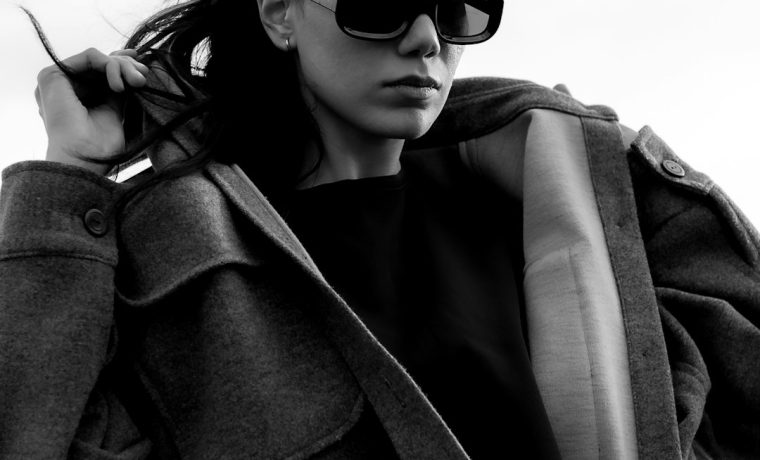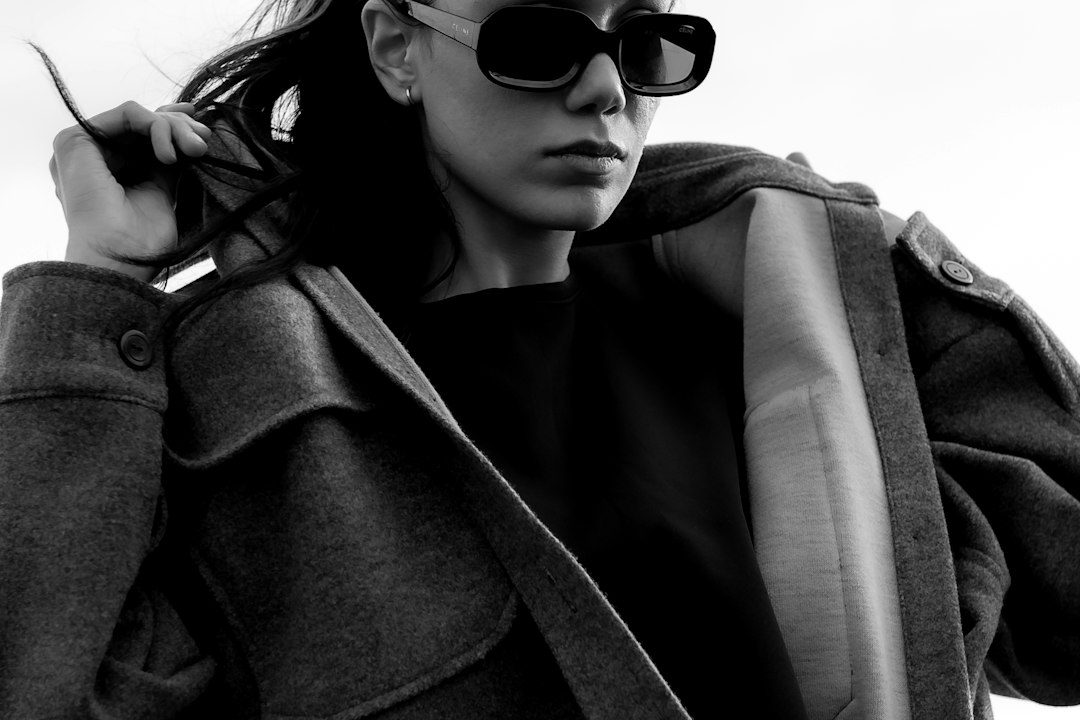
As trends accelerate across social platforms, personal style offers a slower way to dress—one built on repetition, adaptation and individual meaning.
Style as a record of everyday life
Microtrends move quickly because they are easy to name, package and circulate. A particular colour, silhouette or accessory can become recognisable across thousands of posts, then feel outdated almost as quickly. Personal style works differently. It develops through choices repeated over time, including the pieces a person keeps wearing after the moment has passed.
The systems behind the look
A wardrobe with a point of view does not need to be expensive or extensive. It may rely on a few reliable shapes, second-hand discoveries, repaired garments or items that carry personal memories. Repetition can create coherence, while small changes keep the process open. The aim is not to avoid influence but to decide which influences deserve a place.
Reading images with care
Social platforms can make personal style feel like a performance, with every outfit treated as content. Yet they can also connect people who share practical ideas about tailoring, thrifting and care. The difference lies in whether the platform encourages experimentation or pressures users to constantly replace what they own.
A more considered future
Developing personal style is partly an exercise in attention. Notice what feels comfortable, what gets used and which purchases remain meaningful after the initial excitement. A slower wardrobe can be more expressive because it reflects a person’s actual life rather than a sequence of online prompts.
Subculture Magazine — independent perspectives on contemporary culture.